
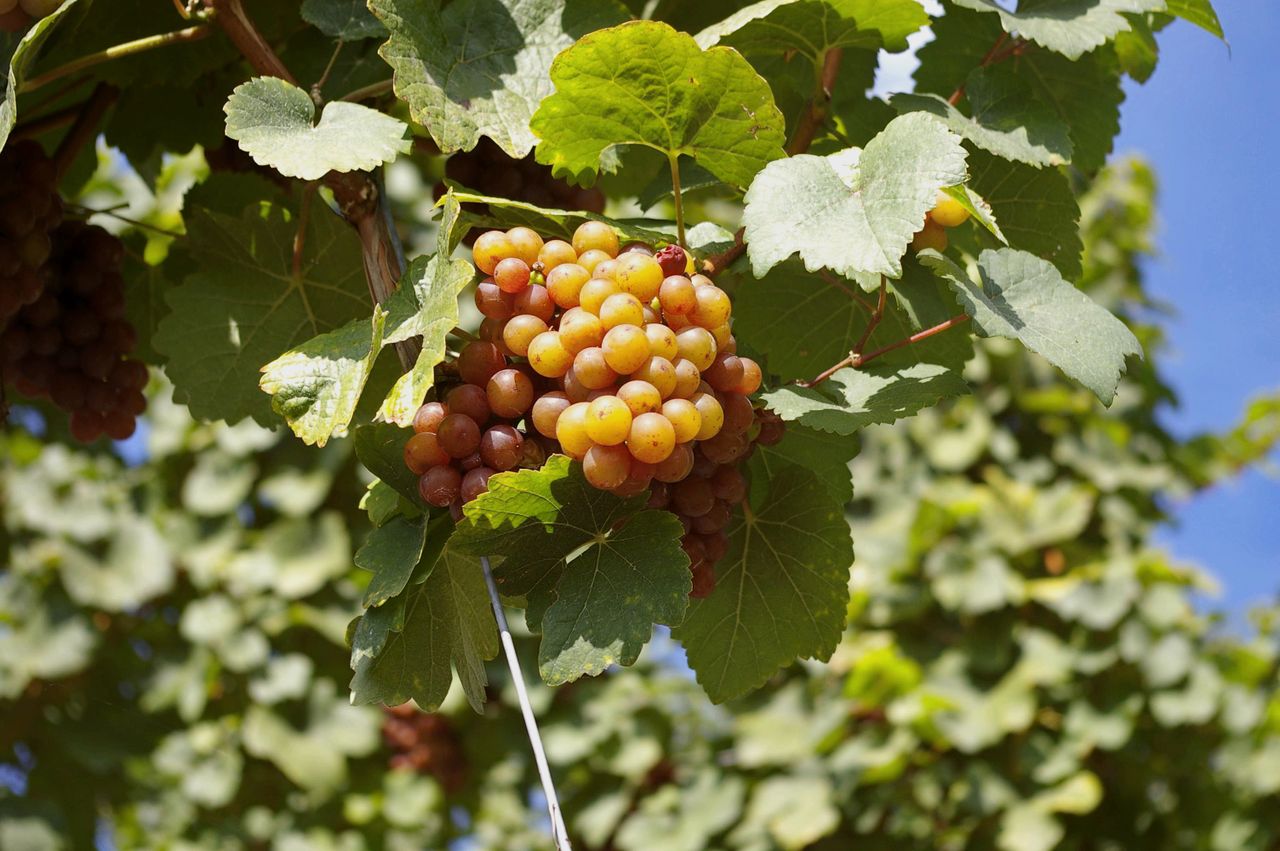
American wine labeling rules can shape which grapes consumers ever see on a bottle, especially when a variety is obscure, imported, or known by several names. That is why a March 2026 federal approval drew outsized attention in wine circles: Crljenak Kaštelanski, the little-known Croatian grape linked to California Zinfandel, received formal recognition for use on U.S. wine labels. For wineries that have planted the fruit in California, the decision means a rare grape with a long scientific backstory can now appear under its own name instead of being folded into a more familiar category.
A federal approval gave the grape official standing
The Alcohol and Tobacco Tax and Trade Bureau, or TTB, included “Crljenak Kaštelanski Approved as Grape Variety Name” in its March 6, 2026 newsletter, marking the federal action that gave the variety official administrative approval for use as a type designation on American wine labels, according to the agency. TTB’s wine-labeling guidance says only grape variety names approved by the administrator may be used as type designations for American wine labels. The agency’s grape variety page was updated by March 11, 2026 to include Crljenak Kaštelanski among approved names.
That change matters because varietal labeling determines how wineries legally present a wine to shoppers, restaurants, and retailers. Under TTB rules, approval allows bottlers to submit labels using the name while the agency continues the broader rulemaking process for formal regulatory updates. In practical terms, the recognition moves Crljenak Kaštelanski from a specialist term used by historians and growers into a name that can appear in regular commercial labeling.
The grape’s significance extends beyond its small production footprint. Wine researchers and producers have long tied Crljenak Kaštelanski to the same genetic family as Zinfandel, one of California’s best-known heritage grapes. That connection has made the Croatian name important to wineries that want to emphasize lineage, site history, and the distinction between a famous American market identity and an older European name.
The impact is clearest in California, where plantings remain small
The immediate U.S. impact is centered in California, where documented commercial plantings remain limited. Grgich Hills Estate says its 35-acre Calistoga vineyard includes 2 acres of Crljenak Kaštelanski, while Ridge Vineyards has said it planted Croatian clones including Crljenak Kaštelanski at Lytton Springs in Sonoma County on July 18, 2015. Those details point to a niche but established base of producers now positioned to use the newly approved name in the market.
What is not yet known is how many wineries will immediately switch labeling, how many bottles may be released under the grape’s Croatian name, or whether broader retail distribution will follow. TTB’s public materials confirm the approval itself, but they do not provide a national count of wineries using the designation. Producers also have not released a comprehensive list of all California wines that may be relabeled under the newly recognized name.
For California winemakers, however, the approval resolves a practical branding issue. A bottle can now identify the fruit using the historic name tied to the grape’s origin story, rather than relying solely on a more familiar synonym or background explanation in tasting-room conversations. That is especially relevant for limited-production wines aimed at winery visitors, collectors, and sommeliers.
The broader context is consumer interest in lesser-known grapes
The timing fits a larger wine-industry shift toward obscure, indigenous, and climate-relevant grapes. Decanter’s recent coverage of underdog varieties in Piedmont and indigenous grapes in the Balkans shows that producers and buyers are paying more attention to grapes once dismissed as too local, too difficult, or too unfamiliar for broad recognition. In that environment, formal approval for a name like Crljenak Kaštelanski carries both regulatory and commercial weight.
Recognition also follows years of effort by growers, researchers, and wineries that preserved and replanted grapes with complicated naming histories. Ridge has described its involvement in research and replanting connected to Croatian Zinfandel clones, while Grgich has marketed a winery-exclusive Crljenak Kaštelanski bottling from experimental acreage in Napa Valley. Those projects existed before federal approval, but the labeling change gives them clearer legal footing in front-facing sales.
For consumers, the most likely near-term result is modest but concrete: a small number of California wines may now appear with a long Croatian name that previously stayed off most labels. TTB has not indicated any broader marketplace mandate, and the variety remains a niche planting. Still, the approval gives wineries a verified way to present the grape under its own identity, and in wine, that kind of recognition often shapes what drinkers discover next.
Hi, thiss weekend is pleasant inn favor of me, becaause his occasion i
am reading this ggreat educatinal artucle here att myy home.
xnxx
A very reliable site with a clean look. I love how they keep adding new features to improve the user experience. Keep it up! br3191com
Such a refreshing experience. The games are diverse and the rewards are actually attainable. I’m spending way too much time on br888game33 lately