
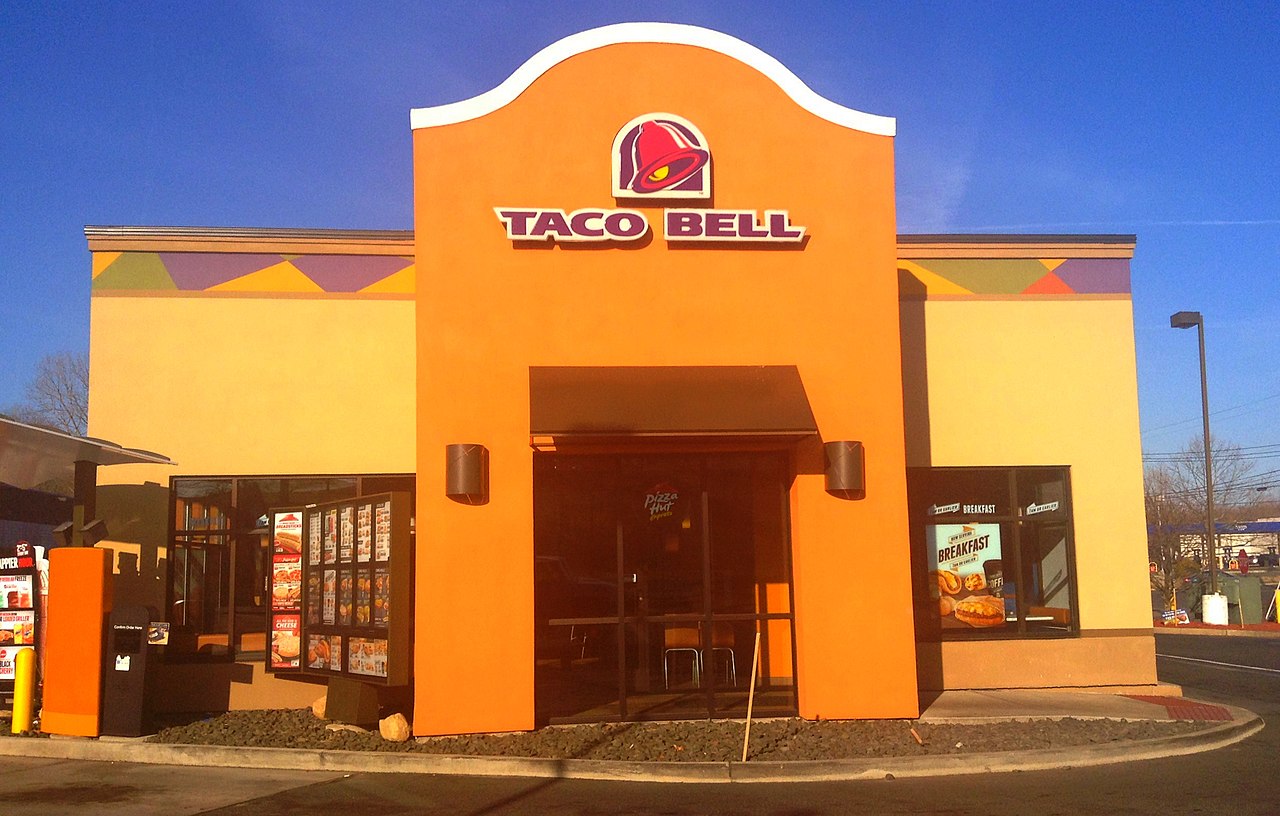
Fresh produce has repeatedly become a pressure point for national restaurant chains when foodborne illness investigations intensify. This week, Taco Bell locations in Michigan drew attention after pulling several toppings from the menu as state and federal officials continued tracking a fast-growing cyclospora outbreak.
Taco Bell removed five fresh ingredients as the outbreak widened
Some Taco Bell locations posted notices stating they were “currently unable to sell Lettuce, Cilantro Onion, Pico de Gallo, and Guacamole,” according to WWJ Newsradio’s July 7 report. The station said the signage described the change as tied to a “nationwide recall,” though Michigan health officials had not publicly identified a specific recalled product, grower, or supplier at that point.
The move affected ingredients used across a wide range of Taco Bell menu items rather than a single product line. Lettuce appears on tacos and burritos, while pico de gallo, guacamole, and the cilantro-onion blend are used in customizable items and limited-time offerings, making the change visible to customers ordering both in stores and through apps.
It is not the first time a fast-food giant has pulled produce-heavy items during a public-health investigation. In July 2018, McDonald’s removed salads from about 3,000 restaurants in 14 states, according to Reuters and the CDC, during a cyclospora outbreak later tied to 511 laboratory-confirmed illnesses in people who reported eating McDonald’s salads. That earlier episode remains one of the clearest recent parallels for what customers are seeing now.
What is confirmed in Michigan, and what is still not known
Michigan is the center of the current outbreak. The Michigan Department of Health and Human Services said July 1 that an outbreak of cyclosporiasis was occurring in the state, and on July 4 the department said cases continued to rise, with the largest increase in Southeast Michigan. State officials also said no specific produce grower, supplier, or produce type had yet been identified as the source.
That uncertainty matters for customers trying to understand whether the Taco Bell menu change is statewide, regional, or broader. Public reporting has confirmed signs at some Metro Detroit and Southern Michigan locations, but the company has not released a comprehensive list of affected Michigan restaurants. It also has not publicly detailed how many stores removed the toppings or whether the same restrictions apply outside Michigan.
State health guidance has been careful not to name a chain restaurant as the cause of the outbreak. Officials have said only that recent U.S. cyclospora outbreaks have often involved fresh produce and that investigators are still working to find the source. As of July 11, no public FDA recall notice tied to a named Taco Bell ingredient had been identified in the source material provided for this story.
Why chains keep pulling produce first, and what customers should expect
Cyclospora investigations often focus on uncooked produce because the parasite is commonly linked to foods that do not receive a kill step before serving. The Michigan health department said heating food to 158 degrees Fahrenheit, or 70 degrees Celsius, kills Cyclospora, and Food Safety News reported that past U.S. outbreaks have frequently been connected to raw items such as basil, cilantro, berries, peas, and salad mixes.
That helps explain why chains act quickly on toppings and salads. Reuters reported during McDonald’s 2024 E. coli investigation that produce is often harder for restaurants to manage in outbreak conditions than cooked proteins, and other chains also removed onions or lettuce from some menus during that event. In practical terms, removing a handful of raw ingredients can allow stores to keep most of the menu operating while supply and safety questions are sorted out.
For customers in Michigan, the near-term effect is straightforward: some Taco Bell orders may arrive without ingredients that are normally standard, and availability may vary by location. What remains unconfirmed is whether a specific supplier, product, or restaurant chain will ultimately be linked to the outbreak. For now, the company’s visible menu pull appears to be a precautionary step in a broader food-safety investigation that is still unfolding.
This article adds up. Simple layouts really enhance the experience on 18+ platforms
My web blog: asianxxx