
Burger King is often discussed as a challenger, not a category leader. That framing misses how often the chain wins on the details that shape what customers actually notice, order, and remember.
Brand identity, signature products, and menu flexibility
Burger King’s biggest edge is that it still owns a highly legible product identity. The company continues to define the Whopper around flame-grilled beef, and that matters because very few major burger chains can claim a cooking method that doubles as a brand shorthand. In a crowded fast-food market, that kind of sensory distinction is unusually durable.
The Whopper also gives Burger King a flagship sandwich with real strategic reach. Restaurant Brands International has repeatedly tied its U.S. turnaround to re-elevating the Whopper, not just as a menu item but as the center of premium branding and kitchen execution. That is a cleaner, more focused proposition than the menu sprawl that often dilutes other chains.
Burger King has also been faster than many rivals at turning menu breadth into a mainstream convenience play. Its current lineup spans beef burgers, chicken, fish, breakfast, sides, desserts, coffee, and plant-based offerings, with staples like the Croissan’wich and French Toast Sticks helping it compete outside lunch and dinner. That range gives the brand more daypart flexibility than chains that rely too narrowly on burgers.
Then there is the Impossible Whopper, which Burger King launched nationwide in 2019. The brand’s own newsroom described it as one of the first plant-based products in quick-service restaurants, and that early move let Burger King look culturally current without abandoning its core identity. Few burger chains have balanced novelty and familiarity as effectively.
Value, loyalty, and the art of broad appeal
Burger King quietly excels at building entry points for different kinds of customers. Its Royal Perks program currently advertises 10 Crowns for every $1 spent at participating U.S. restaurants, which gives the brand a simple, easy-to-explain loyalty mechanic. In a market where digital rewards can feel overly engineered, clarity is a competitive advantage.
The same logic shows up in Burger King’s value architecture. The company’s current offers include promotions such as the $5 Duo and $7 Trio, with official terms noting that prices and participation vary by location. That kind of modular pricing matters because it lets customers trade up or down without feeling pushed into a single narrow bargain box.
Burger King also outplays some rivals by serving different customer moods equally well. A guest can build around a Whopper, lean into snackable sides, order breakfast comfort food, or choose a plant-based sandwich without the menu feeling like a collection of disconnected experiments. That flexibility broadens appeal across households, friend groups, and occasions.
Even items that are not category-defining on their own help reinforce the chain’s usefulness. French Toast Sticks, Croissan’wich sandwiches, and indulgent limited-time offers keep Burger King relevant in moments when pure burger competitors are simply not top of mind. That is not glamorous, but it is commercially powerful.
Store modernization, operating momentum, and the comeback math
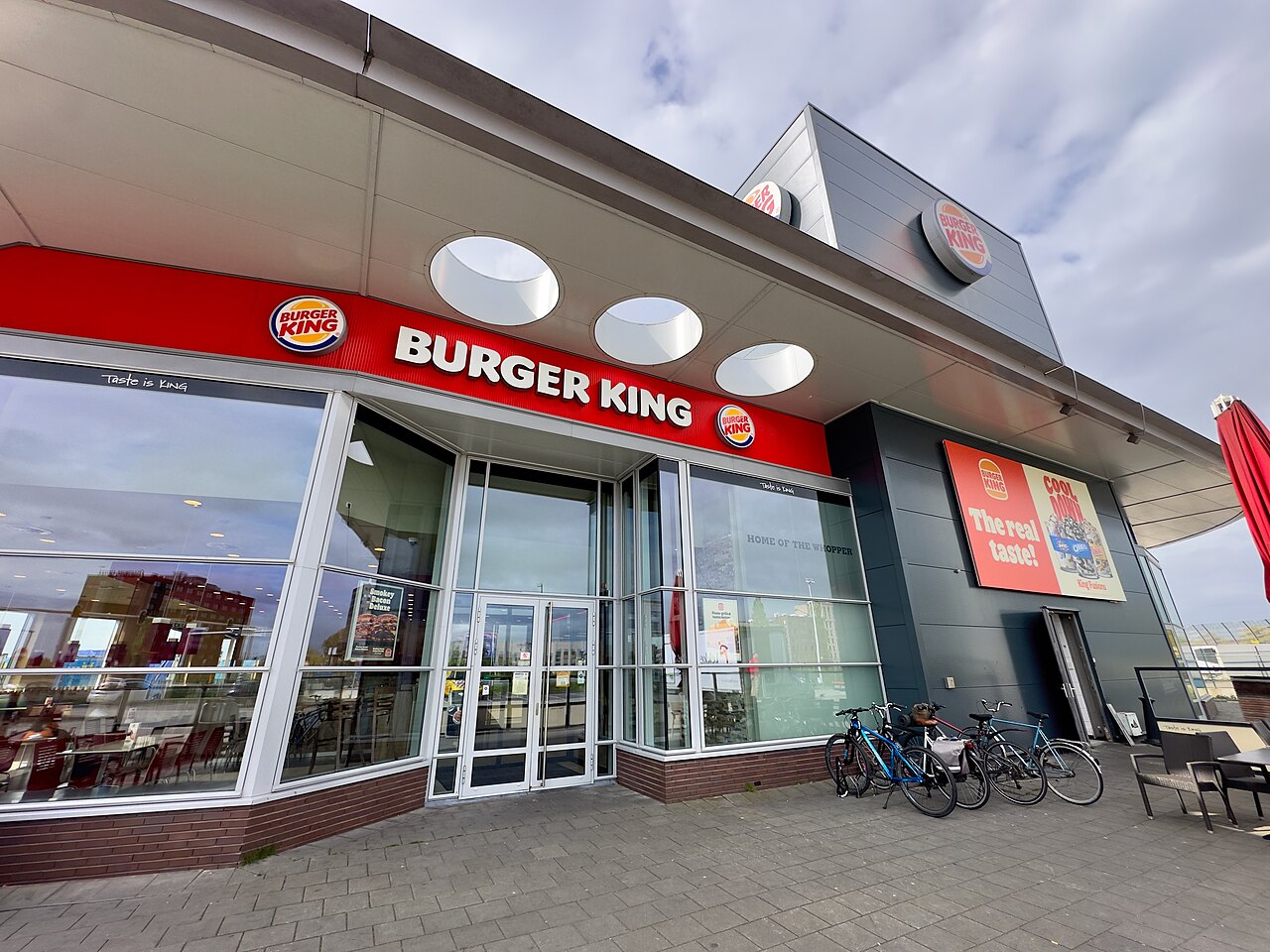
Burger King’s least flashy advantage may be the one with the biggest long-term payoff: it is in the middle of a serious physical reset. RBI said in 2025 that modern image penetration in the U.S. had reached 58%, an important update beyond earlier 2024 figures. For customers, better lighting, cleaner design, and upgraded layouts are not cosmetic extras; they materially change brand perception.
The company has also backed that reset with capital, not just slogans. In 2024, Burger King and its parent announced additional investment aimed at bringing 85%-90% of U.S. restaurants to a modern image by 2028. That kind of systemwide commitment gives the chain a better chance of improving consistency, which is where many burger brands lose consumer trust.
Management has been unusually direct about the sales impact. Company commentary in early 2025 said remodeled restaurants that had been open more than six months were delivering average first-year sales uplifts in the teens, net of control. That is a company-reported figure, not an independent industry study, but it still suggests the remodel program is doing more than refreshing appearances.
This is where Burger King may quietly outplay its peers the most: it is rebuilding the parts of the business customers cannot ignore. Better stores, stronger branding around the Whopper, sharper value ladders, and more coherent menu architecture create a practical kind of competitiveness. Burger King does not need to win every fast-food battle to keep gaining ground; it just needs to keep compounding in the places that matter most.