
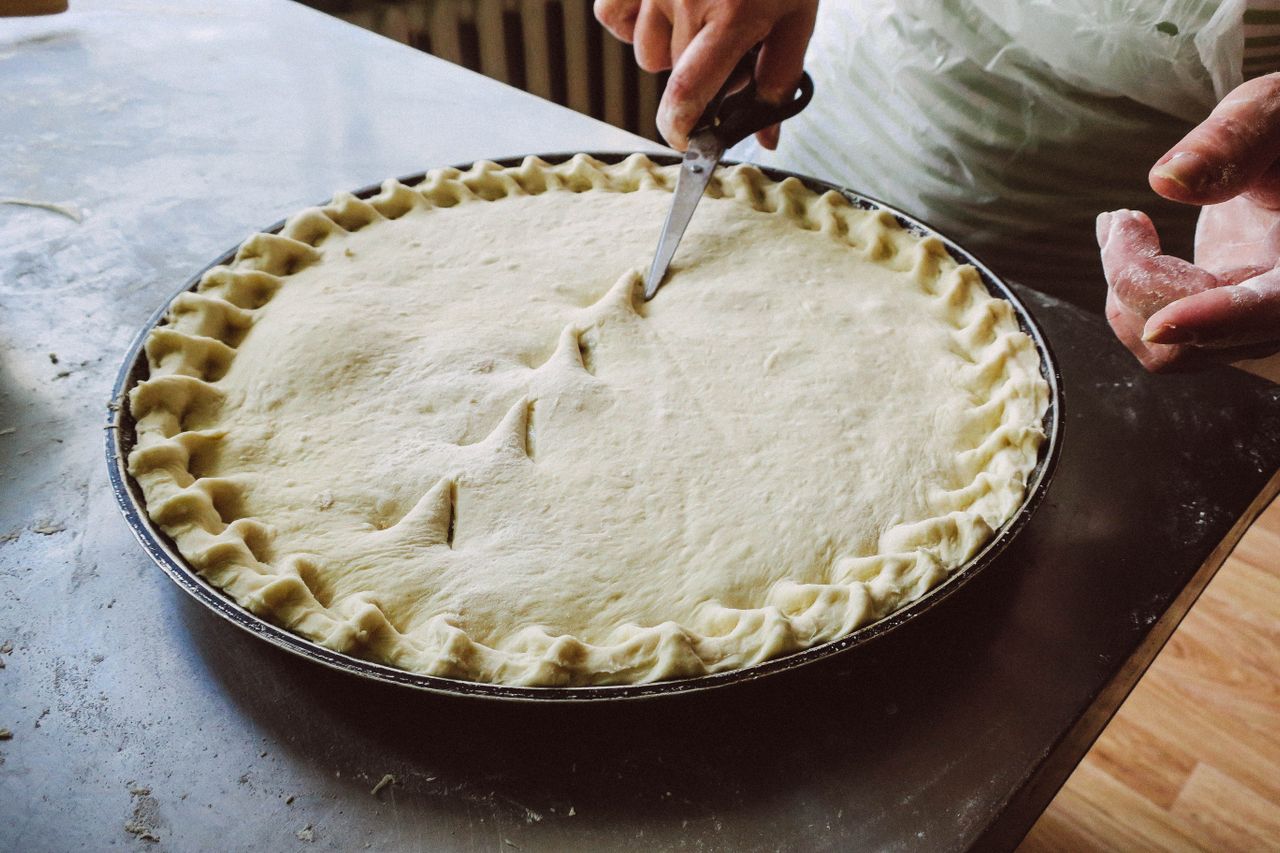
Some desserts never really disappear; they just wait for the right moment to return. Old-fashioned pies are in exactly that position, and today’s home bakers have every reason to bring them back.
Why forgotten pies feel timely again
Pie has never been a niche American dessert, but it often gets reduced to a holiday trio: apple, pumpkin, and pecan. The American Pie Council still treats pie as a year-round category, with National Pie Day observed every January 23 and its National Pie Championships continuing into 2026, a reminder that regional pie traditions remain active rather than museum pieces. Instacart’s pie data also suggests strong consumer interest beyond Thanksgiving, with sweet potato pie showing especially intense regional loyalty and pie sales spiking dramatically around Pi Day.
That broader appetite matters because many old-fashioned pies were built for exactly the kind of baking mood that is back in style now: economical, pantry-driven, and deeply local. Food historians often group vinegar pie, water pie, mock apple pie, and similar recipes under the “desperation pie” umbrella, meaning they relied on staples when fresh fruit or pricier ingredients were scarce. In a moment when bakers are again interested in reducing waste and stretching ingredients, those pies feel less quaint than smart.
There is also a texture story here. Custard-based pies, crumb-topped pies, and syrupy regional specialties offer the kind of contrast modern dessert menus chase constantly: crisp crust, creamy center, caramelized top. King Arthur Baking’s recent pie guidance underscores that these styles reward careful technique, especially prebaking for custard fillings and strong bottom heat for a fully baked crust.
The result is a lineup overdue for revival: chess pie, buttermilk pie, vinegar pie, shoofly pie, sugar cream pie, transparent pie, mock apple pie, sweet potato pie, Atlantic Beach pie, and boiled cider pie. Some are Southern, some Midwestern, some Pennsylvania Dutch, and some New England-born. All of them prove that “old-fashioned” often means tested, efficient, and delicious.
The ten pies most worth baking now
Chess pie deserves first billing because it delivers maximum payoff from kitchen basics: eggs, sugar, butter, and a little cornmeal or flour for body. Its close cousin buttermilk pie brings a gentle tang and custardy center that tastes richer than its modest ingredient list suggests. Both remain staples of Southern baking, and their appeal is obvious to anyone who wants a pie that is elegant without being fussy.
Then come the resourceful classics. Vinegar pie uses acid the way lemon once might have been used, brightening a sweet filling with startling effectiveness. Mock apple pie, historically made with crackers in place of apples, sounds like a parlor trick until you taste its cinnamon-citrus illusion. Transparent pie, a Kentucky specialty highlighted by Kentucky tourism materials, lands somewhere between pecan pie filling and brown-butter custard, but without the nuts.
Regional icons make the comeback case even stronger. Shoofly pie, rooted in Pennsylvania Dutch baking and traced by historians to 19th-century baking-powder-era cookery, brings dark molasses depth and a crumb topping that feels tailor-made for coffee. Sugar cream pie, honored by the Indiana Senate in 2009 as the state pie, is one of the purest expressions of dairy-and-sugar simplicity in American baking.
The last three feel especially relevant to modern tastes. Sweet potato pie already has devoted followings in Southern and Midwestern cities, according to Instacart, yet it still gets less national attention than pumpkin. Atlantic Beach pie, the salty-cracker-crust citrus dessert from North Carolina, satisfies today’s sweet-salty obsession. Boiled cider pie, long noted by the James Beard Foundation as a New England specialty, offers concentrated apple flavor in custard form, which is exactly the kind of heritage twist contemporary bakers love.
What their return says about American baking
A comeback for these pies would not be driven by nostalgia alone. It would reflect a larger shift toward desserts with story, place, and practicality. In commercial baking, trade coverage has noted that pie makers are trying to push the category beyond the holiday rush and into everyday snacking, mini formats, and affordable indulgence. That same logic works at home, where a pie that relies on pantry staples can feel both comforting and current.
These pies also preserve regional food identity at a moment when many local specialties risk being flattened into generic “comfort food.” Kentucky still claims transparent pie as part of its culinary heritage. Lancaster County still treats shoofly pie as a recognizable local marker. Indiana tourism still points to sugar cream pie as a signature Hoosier dessert. Baking them is a small act of cultural continuity, not just recipe collecting.
For home cooks, the practical upside is enormous. Most of these pies require no elaborate decoration, no expensive fruit, and no restaurant-level pastry skill. What they ask for instead is balance: enough heat for a crisp crust, enough restraint to let molasses, buttermilk, sweet potato, or boiled cider speak clearly, and enough curiosity to trust recipes that survived because they worked.
If your oven has been stuck cycling through the same familiar desserts, this is the category to raid next. Old-fashioned pies are not relics. They are some of the smartest, most distinctive bakes America ever produced, and they are more than ready for another slice of the spotlight.