
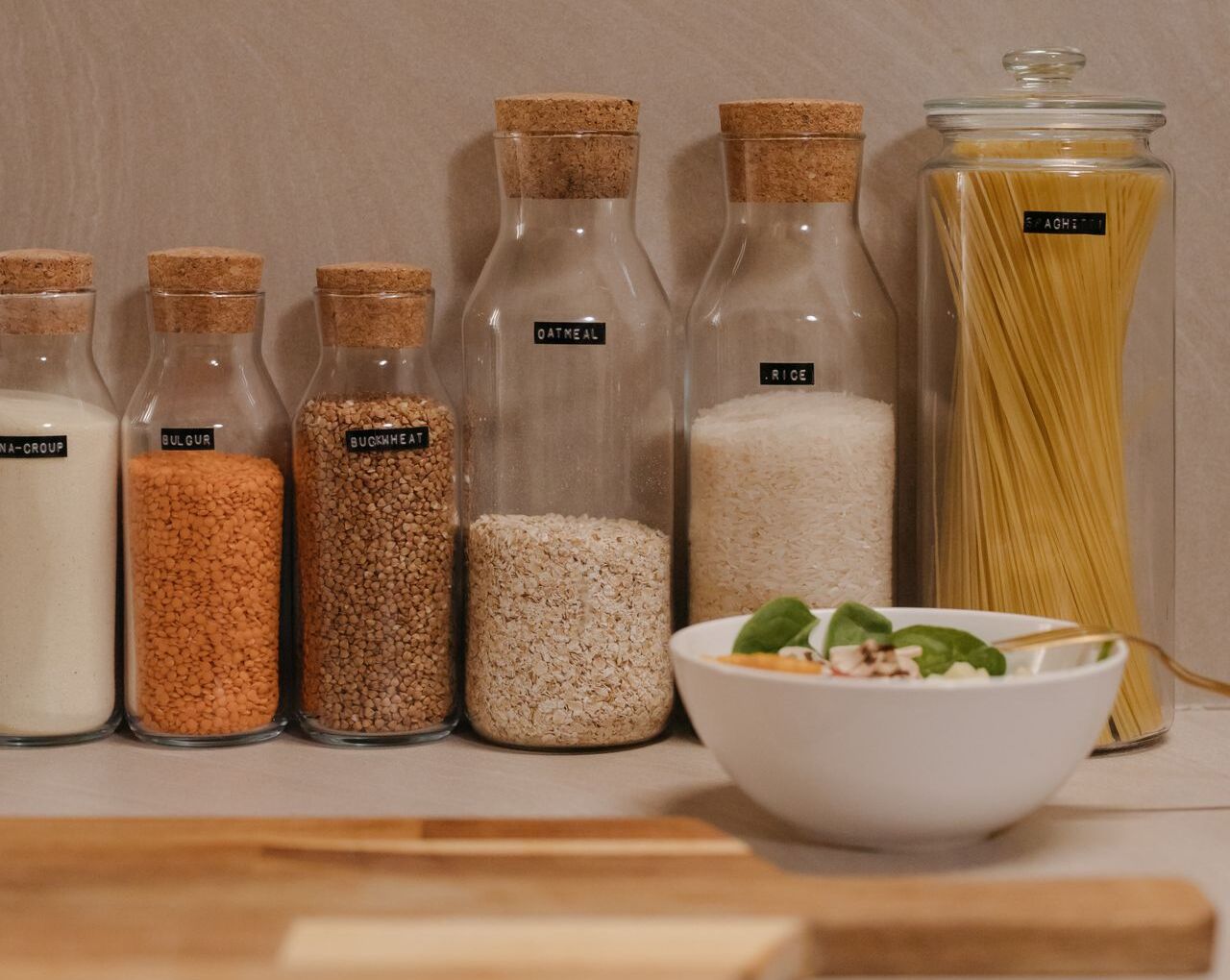
Modern home cooking is getting sharper, faster, and more flavor-driven. The biggest shifts are not always flashy, but they are unmistakable once you know where to look.
What is changing now is not just taste, but technique. The most influential ingredients in today’s kitchens are compact, versatile, and able to make ordinary food feel current with very little effort.
Flavor concentrates are becoming the new weeknight advantage
The modern pantry is increasingly built around ingredients that do more than one job at once. A spoonful of Calabrian chile can add heat, fruitiness, and richness to tomato sauce, mayo, or roasted vegetables without requiring a full spice blend. The Specialty Food Association flagged Calabrian chile peppers as a rising specialty-food trend, noting their spread into pasta sauces, hot sauces, cured meats, snacks, relishes, and hot honey, a sign that this is no longer a niche import but a broadly useful flavor tool.
That same logic explains the rise of concentrated finishing ingredients like chili crisp, herb pastes, flavored butters, and global sauces. McCormick’s 2026 Flavor Forecast put this shift in plain terms with its “Sauce from Somewhere” theme, arguing that consumers are becoming more fluent in bold regional flavors and are reaching for dips, drizzles, spreads, and sauces to transform routine meals. In practical terms, that means cooks can turn plain eggs, noodles, rice bowls, or grilled chicken into something far more distinctive in seconds.
Vinegar is also being reimagined as an everyday flavor builder rather than a background acid. Whole Foods Market’s 2026 trends report highlighted a “Very Vinegar” wave that ranges from bolder vinaigrettes to fruit-forward and culinary specialty formats. That matters because today’s strongest pantry ingredients are not just seasonings. They are shortcuts to balance, helping home cooks hit salt, fat, heat, and acid quickly enough to cook with more confidence on busy nights.
Fermented, cultured, and preserved staples are gaining new power
Sourdough has moved far beyond the loaf. Whole Foods Market’s 2025 trends report identified “Sourdough Stepped Up” as a breakout pattern, with sourdough showing up in pizza crusts, flatbreads, brownies, crackers, chocolate, and even pasta. The appeal is partly flavor and partly convenience: consumers want the tang and craft cues of fermentation without having to maintain a starter at home. What matters for cooks is that sourdough now signals a broader preference for ingredients with complexity already built in.
Seaweed is following a similar path from specialist aisle to pantry staple. Whole Foods Market’s same 2025 report highlighted plant-based aquatic ingredients, including seaweed, sea moss, duckweed, and agar-agar, reflecting growing interest in marine ingredients as sources of flavor, texture, and nutrition. For home kitchens, seaweed’s advantage is not novelty alone. Nori, kelp seasonings, and seaweed flakes bring salinity and savoriness that can sharpen grains, soups, popcorn, eggs, and seafood with almost no prep.
Preserved fish has also moved decisively into the mainstream conversation. Instacart reported that canned sardines posted 51% year-over-year growth in share of items sold in the first half of 2026 versus the same period in 2025, making tinned fish one of the clearest pantry risers in current grocery data. This is a significant shift because preserved ingredients once treated as backup food are now prized for protein, shelf life, and immediate meal utility.
Protein, fiber, and old-school fats are redefining what counts as useful
If flavor is one half of the new pantry equation, function is the other. Instacart said searches containing the word “protein” rose 12.7% year over year in the first half of 2026, while searches containing “fiber” climbed 26.4%. Cottage cheese increased 10% in share of items sold over the same period, showing how quickly once-unfashionable staples can return when they align with current priorities around satiety, convenience, and versatility.
This helps explain why ingredients like cottage cheese, oats, beans, and seeded add-ins are gaining status. They are adaptable enough to move between breakfast, snacks, sauces, dips, and baking while also fitting the current demand for more nutritionally purposeful food. Whole Foods Market’s 2026 report underscored that momentum by spotlighting fiber-focused products and oats, especially products marketed around prebiotic fiber and everyday digestibility rather than luxury alone.
Even fats are being reevaluated through this lens of practicality and performance. Whole Foods Market’s 2026 trends report singled out beef tallow as a returning ingredient valued for flavor and high-heat cooking. Not every household will adopt it, and it is hardly a universal replacement for olive oil or butter, but its revival says something important about the moment: modern cooks are rewarding ingredients that feel efficient, multi-purpose, and distinctive. The kitchens falling behind are usually not the least expensive or least equipped. They are the ones still stocked for a slower, blander era.