
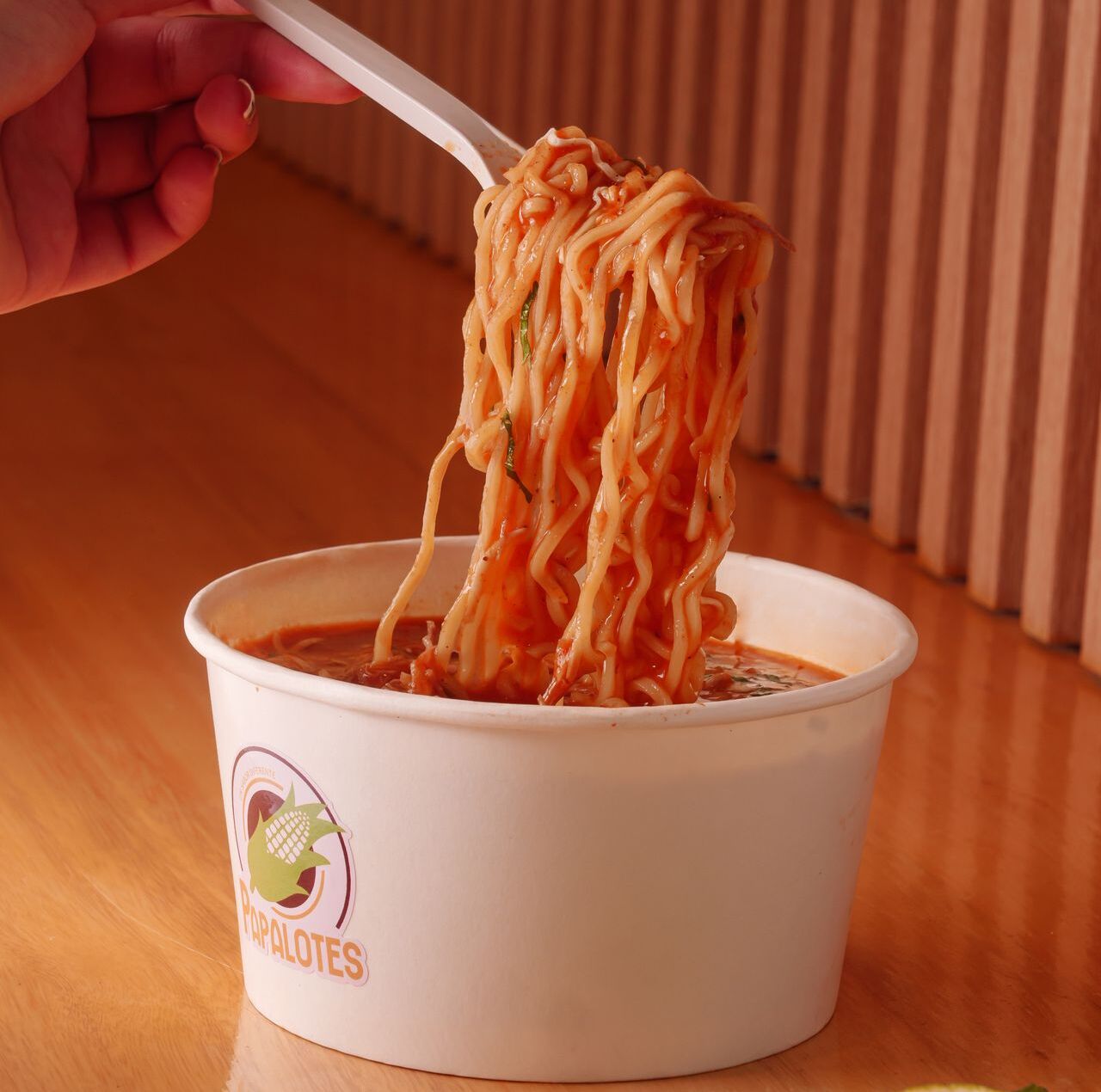
A new food safety study is putting a familiar pantry shortcut under fresh scrutiny. Researchers reported that a single serving of cup instant noodles contained microplastics, and that preparing the noodles in the cup could add more particles from the container itself.
What the new study found
The study was published in October 2026 in the Journal of Food Composition and Analysis. According to the paper summary indexed online, researchers at China Agricultural University examined 10 instant noodle cup products from four countries in the Asia-Pacific region and measured microplastic contamination in the noodles and broth, along with particles released during preparation.
The paper reported that consuming one cup of barrel-packaged instant noodles led to ingestion of about 351 microplastic particles. A separate summary of the same study said the average count found in a single cup was 318 particles, which means public reports have not used a single matching figure from the study coverage. Because of that discrepancy, the clearest verified takeaway is that the researchers found microplastics in the hundreds per serving, not that one exact count has been uniformly reported.
The study summary also said the total release tied to preparing one instant noodle cup may be higher because the researchers estimated that the cup itself released additional fragments under standard use conditions. One indexed version of the paper said preparation of a single cup could release 704 microplastic fragments from the cup itself, while also noting that particles smaller than 20 micrometers and nanoplastics were not included in that count.
Why the container matters
This part matters to home cooks because cup noodles are designed to be prepared right in the package. Related recent packaging research has found that hot water and heat can contribute to the release of microplastics or nanoplastics from some food contact materials, including polystyrene foam containers and other single use packaging used for hot foods and drinks.
A separate 2026 study in Food Chemistry looked at microwaveable food packaging and reported that routine heating and physical wear can contribute to polyethylene particle release. Another recent paper on instant food containers found that adding hot water to single use containers released microplastics, metals, and carbon from the material under test conditions.
Older official food safety work has also raised questions about cup noodle packaging, although it focused on chemical migration rather than microplastic counting. Hong Kong’s Centre for Food Safety previously evaluated instant cup noodle containers and said substances such as styrene monomer, heavy metals, and diaminotoluene were among the materials of concern if they migrated into food. That does not mean every cup is unsafe, but it shows regulators and researchers have been studying this kind of packaging for years.
What the findings do, and do not, mean for shoppers
The big unresolved question is health risk. The FDA says people may be exposed to microplastics and nanoplastics through air, food, and skin contact, but it also says there is not sufficient scientific evidence to show that microplastics and nanoplastics from plastic food packaging migrate into foods and beverages in a way that has been fully established for risk assessment.
That puts this new instant noodle study in an important but early category. It adds evidence that hot, ready to eat packaging can shed particles under real use conditions, but it does not show what those particles do in the human body after a person eats a cup of noodles. Researchers themselves noted limits in the measurement, including the exclusion of very small particles.
For shoppers, this is less a reason to panic than a reminder to pay attention to packaging and preparation. People who want to cut contact with hot plastic packaging can transfer instant noodles to a bowl before adding water when the product instructions allow it, or choose versions sold in non-cup formats. The study does not accuse any specific noodle brand of violating safety rules. It does show that convenience packaging, not just the food inside it, is becoming a bigger part of the food safety conversation.