
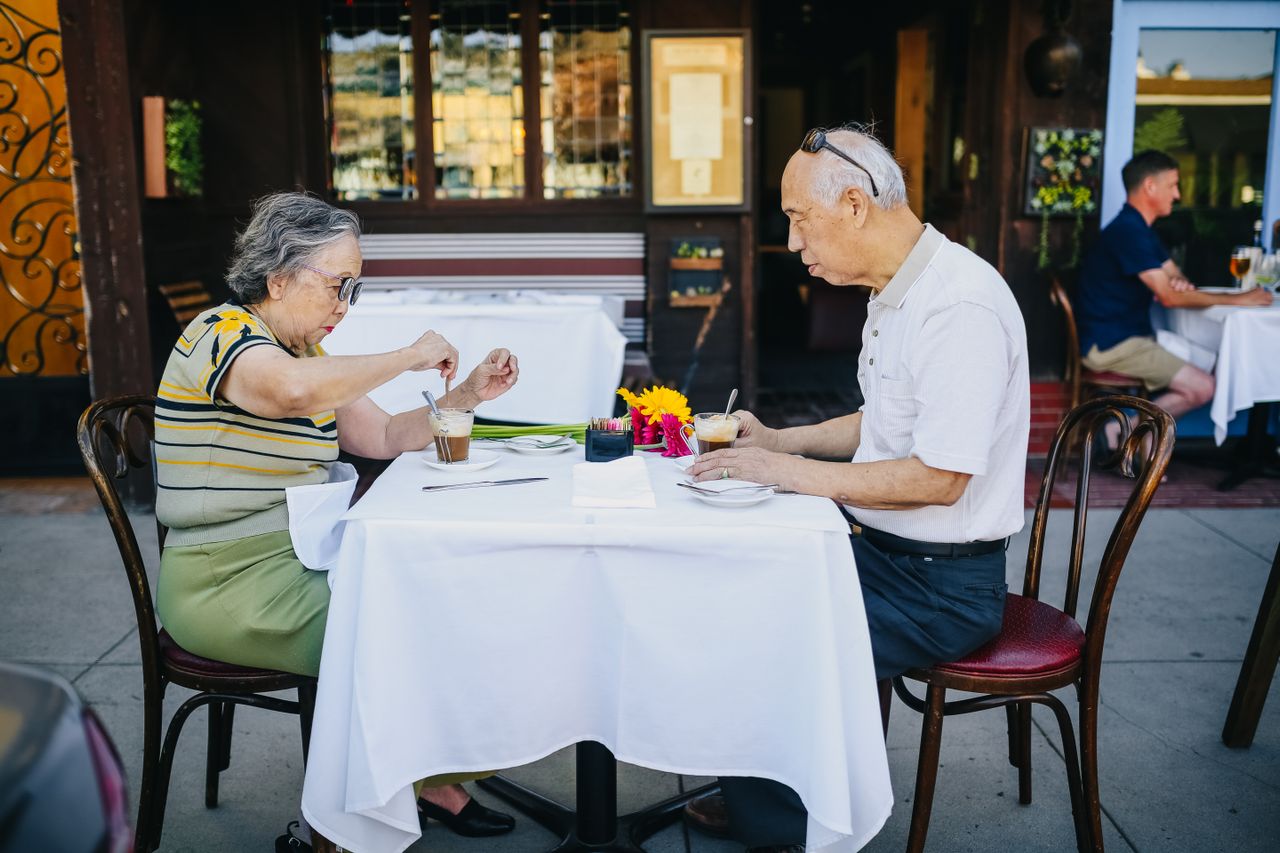
Food travel has become louder, faster, and more performative. But beneath the hype, baby boomers appear to have held onto a quieter idea that now looks remarkably smart.
They treat eating on the road less like a checklist and more like a way to understand a place. That instinct, once dismissed as old-school, is increasingly aligned with where culinary tourism is headed.
Boomers tend to travel for meals that explain a destination
The strongest clue comes from the broader travel data. AARP reported that 65% of Americans age 50-plus planned to travel in 2024, and its 2026 travel trends release said older adults ultimately took more trips in 2025 than they had first expected. That matters because this is a group traveling often enough to develop habits, not just bucket-list fantasies. Over time, repeat travelers usually get better at separating memorable experiences from expensive noise.
Food tourism research points in the same direction. The World Food Travel Association’s 2026 Food Travel Monitor found that travelers rate food and drink at 8.2 out of 10 in destination importance, while 66% say it matters more to their travel than it did five years ago. In other words, the market is moving toward a view boomers have practiced for years: meals are not side entertainment, they are part of the reason to go.
Booking.com’s travel research adds a useful detail. In its travel predictions, 61% of surveyed travelers said they were more interested in learning the origins of a destination’s must-eat dishes, and 81% wanted to try Indigenous cuisines. That sounds modern, but it is also deeply familiar. Many boomers have long favored the market stall, neighborhood bakery, family-run restaurant, winery, or fishing dock over whatever is most viral that week.
What they seem to understand is that food becomes meaningful when it carries geography, memory, and local pride. A meal stops being content and starts becoming context. That is often where the best trips begin.
Their approach is less about novelty and more about discernment
Younger travelers are often encouraged to optimize every meal for social proof. Boomers, by contrast, are more likely to prize reliability, conversation, and a strong sense of place. That does not make their style boring. It makes it selective.
AARP’s research shows older travelers are still willing to spend meaningfully on vacations, with average 2024 planned vacation spending of $6,659 among travelers 50-plus. That spending power helps explain why many in this group are comfortable building trips around regional restaurants, culinary festivals, wine trails, and small producers. They are not just buying dinner; they are buying time, access, and texture.
There is also an economic logic to this style of travel. The World Food Travel Association argues that culinary tourism creates more value when it connects visitors with local food systems rather than imported sameness. Its guidance is blunt: a celebrated food scene built on imported ingredients can leave local farmers behind. Boomers often gravitate toward exactly the kinds of experiences that keep money circulating locally, whether that is a farm lunch, a seafood shack, or a town famous for one enduring specialty.
That preference now looks prescient as more destinations wrestle with overtourism. National Geographic has noted that overcrowding raises prices, erodes visitor experience, and increases pressure on local communities. Food travel works better when it disperses travelers beyond the obvious hot spots, and boomers have long shown a willingness to do exactly that.
The lesson is not to copy boomers exactly, but to borrow their priorities
The real takeaway is not generational superiority. It is that boomers often approach food travel with a framework the rest of the market is rediscovering: go where the food tells the truth.
That means choosing places with culinary identity rather than just culinary marketing. UNESCO-recognized gastronomy cities and regional food destinations tend to succeed because they link dishes to local producers, techniques, and history. The same principle applies on a smaller scale, whether the stop is a roadside smokehouse, a fourth-generation creamery, or a municipal market where locals actually shop.
There is also a patience in the boomer model that feels increasingly valuable. Instead of squeezing in eight “must-eats” before noon, they are more likely to sit longer, ask questions, order the house specialty, and return to the place they liked best. In food travel, repetition is underrated. The second visit often teaches more than the first.
As culinary tourism matures, that older rhythm looks less nostalgic and more advanced. The smartest food trips are not built around bragging rights. They are built around appetite, curiosity, and enough humility to let a destination feed you on its own terms.