
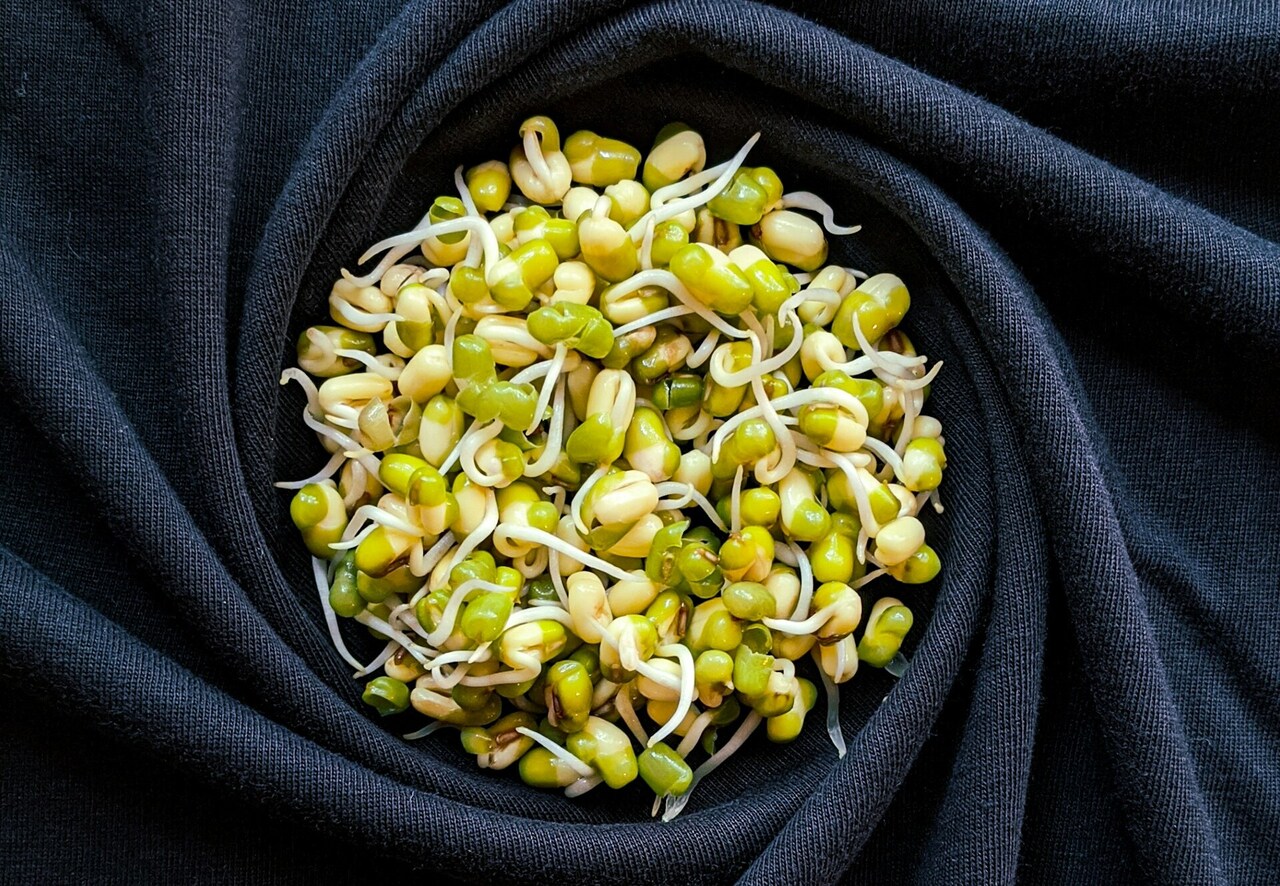
Seeds stored for decades are still teaching scientists new things about the food crops people depend on. In a 2026 study of six tropical crops, mung bean seeds stood out for staying viable far longer than the rest, even after more than 45 years in frozen storage.
What the seed study found
The study, published in Plant Genetic Resources, analyzed seed longevity at the Australian Grains Genebank in Horsham, Victoria. Researchers worked from 24,141 viability observations across six crops and included 3,861 germination tests carried out in 2024. The crops were adzuki bean, pigeon pea, sorghum, soybean, mung bean, and common bean.
Among those six, mung bean emerged as the longest-lived species in the group. The paper reported an observed longevity estimate of 63.5 years for Vigna radiata, which is mung bean. Sorghum followed at 48.8 years, soybean at 49.6 years, common bean at 33.2 years, pigeon pea at 30.7 years, and adzuki bean at 17.4 years.
The result that gets the most attention is easy to understand. Some mung bean seed lots still showed germination of 90% or more after more than 45 years in storage. The oldest mung bean material in the dataset dated to 1963, which gave researchers a rare chance to measure what long-term frozen storage looks like in real conditions, not just in models.
Why the findings matter for food crops
Seed banks are a quiet part of the food system, but they matter to plant breeders, researchers, and future farmers. Collections like the Australian Grains Genebank preserve crop diversity that can be used to develop new varieties when weather, pests, disease, or changing growing conditions put pressure on the food supply. That makes longevity more than a technical detail.
The study also found a major caution point. Frozen storage slows seed aging, but it does not stop it. Researchers noted that real-world results were much shorter than some earlier theoretical longevity estimates, which had suggested that certain species might need retesting only after extremely long periods. The new data showed seeds from all six crops could drop below the 85% viability threshold within roughly 20 to 40 years.
Initial seed quality also mattered. The paper said poor quality at the time of storage likely helped explain weaker performance in some seed lots, especially pigeon pea. In that crop, 73.8% of seeds were already below the 85% threshold at the first germination test, and that figure rose to 98% when the same lots were retested in 2024.
What home cooks can take from it
For shoppers and home cooks, this is not a story about the dried beans in the pantry suddenly becoming planting material. It is a reminder that the beans, grains, and legumes used in everyday cooking are also living crop resources at the seed-bank level. Mung beans, in particular, appear to be unusually resilient when conserved under carefully controlled conditions.
The study’s practical value is in planning. Researchers argued that viability monitoring should be based on observed crop performance rather than broad assumptions. They also cautioned against relying on very infrequent retesting schedules derived from older models, because real seed lots can lose viability much sooner than predicted.
That does not make mung beans magical, but it does make them important. In this study, they were the clearest standout in long-term frozen storage. For seed banks trying to protect crop diversity over decades, that kind of evidence can shape when seeds are checked, when lots are regenerated, and how food crops are preserved for the future.