
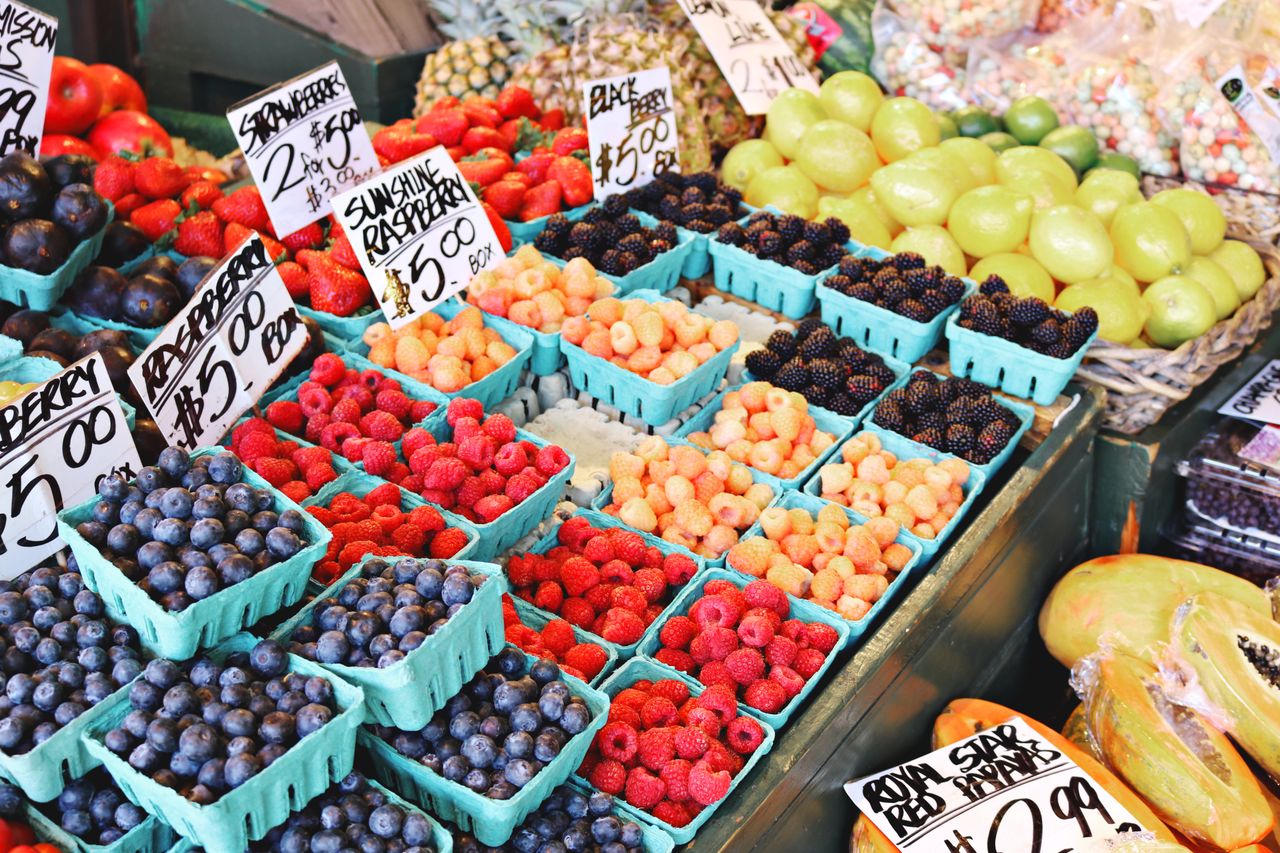
A new food headline is putting blueberries in the endurance spotlight. The attention comes from a small 2026 study and a Food & Wine report published October 25, 2026, both centered on trail runners who posted faster times after a short round of blueberry powder supplementation.
What the new blueberry study found
The study at the center of the story was published July 28, 2026, in the International Journal of Sport Nutrition and Exercise Metabolism. According to the PubMed record, the paper is titled Seven Days of Highbush Blueberry Supplementation Improves Trail Running Performance in Experienced Runners Without Elevating Physiological or Perceptual Stress Markers. Food & Wine highlighted the findings on October 25, 2026, bringing the research to a broader food audience.
Researchers tested nine experienced runners in a placebo controlled crossover design. Each runner completed a 22.2 kilometer simulated trail race under both conditions, one after seven days of blueberry supplementation and one after seven days of placebo. The blueberry plan used 75 grams a day of freeze dried blueberry powder, which Food & Wine reported was roughly equal to about three cups of fresh blueberries.
The reported performance change was notable for such a short protocol. Food & Wine said runners were about 4.2% faster in the blueberry condition, which worked out to roughly 7.5 minutes in race time. Just as important, the study reported that the faster times did not come with higher heart rates or higher perceived exertion, meaning runners did not report feeling like the effort was harder.
Why the result is interesting, and why it needs caution
For home cooks and shoppers, the appeal is easy to understand. Blueberries are an ordinary grocery fruit, not a specialty sports product, and the study adds to ongoing interest in foods rich in polyphenols and anthocyanins. The University of the Fraser Valley summarized the theory this way: blueberry supplementation may help reduce inflammation and oxidative stress, which could support muscle blood flow and force production during demanding exercise.
Still, this is not a case for treating blueberries as proven performance fuel. The study was very small, with only nine runners, and it tested freeze dried blueberry powder rather than fresh or frozen berries bought at the store. That matters because the research looked at a specific supplementation protocol over seven days, not a casual bowl of blueberries before a weekend run.
Earlier research also gives reason to stay measured. A prior study indexed on PubMed found that four days of blueberry powder supplementation lowered blood lactate response to running but did not improve 8 kilometer time trial performance. Another study in recreational runners in normobaric hypoxia also found no performance benefit, even though it reported changes in blood lactate response.
What this means in a real kitchen
For most readers, the practical takeaway is not that blueberries are suddenly a guaranteed race day hack. It is that a familiar fruit is being studied in serious sports nutrition research, and one new trial found a faster trail running result worth following. That makes blueberries an interesting food story, even if the evidence is not ready for broad promises.
It also helps to keep the food form straight. The runners were not simply told to eat more berries. They followed a measured supplement routine using freeze dried blueberry powder every day for a week before the test, so the study does not establish that fresh blueberries, blueberry muffins, or blueberry smoothies would produce the same outcome.
What shoppers can take from this now is simpler. Blueberries already fit easily into breakfasts, snacks, and freezer stashes, and this new paper gives runners one more reason to pay attention as more research arrives. For now, the strongest version of the claim is also the narrowest one: in a very small 2026 study, seven days of freeze dried blueberry powder supplementation was linked to faster 22.2 kilometer simulated trail race times in experienced runners.