
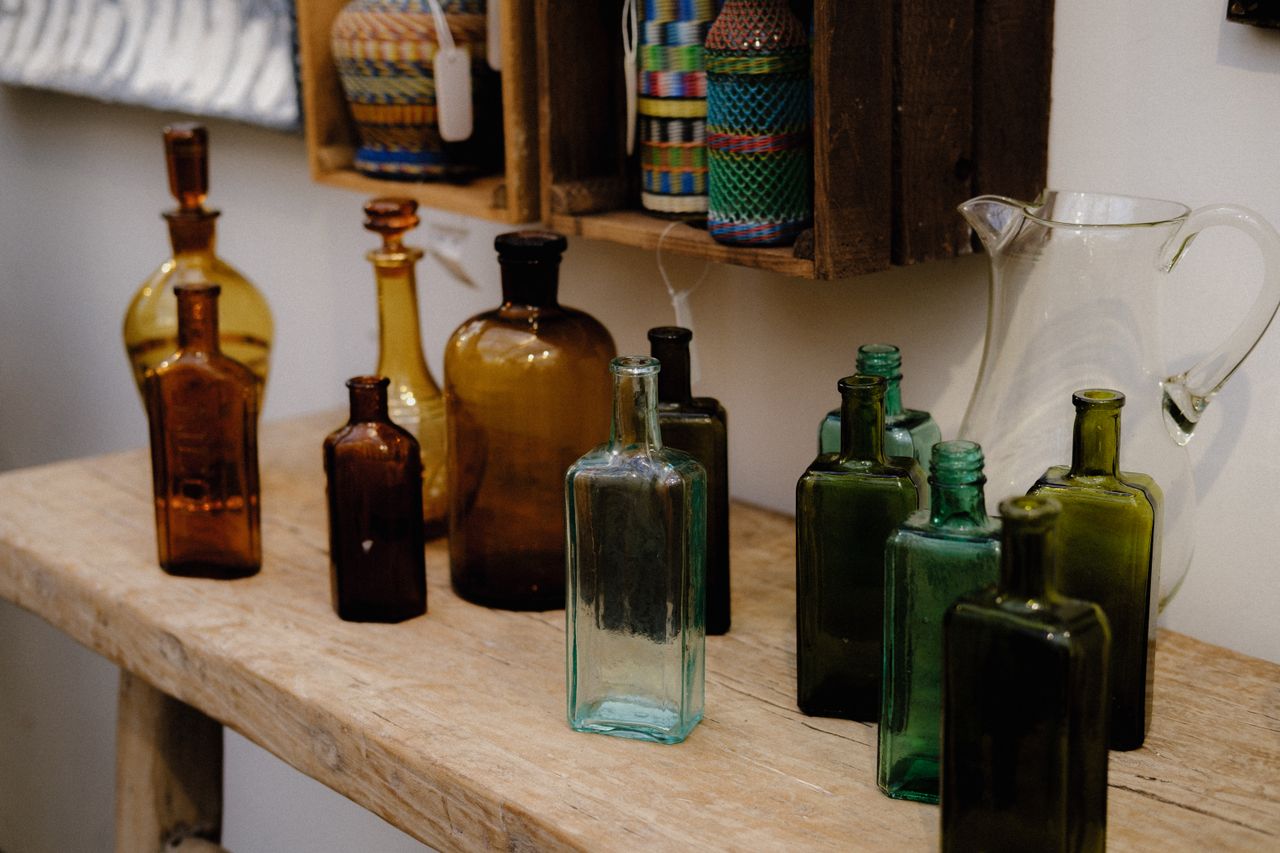
Before cans, cartons, and plastic took over, bottles did more than hold liquid. They trained American habits, built trust, and quietly told consumers what kind of drink belonged in daily life.
How the bottle became part of the drink
In the United States, the bottle was never just packaging. By the late 19th and early 20th centuries, advances in commercial milk bottling, pasteurization equipment, refrigerated transport, and automatic bottling helped turn fragile, perishable drinks into dependable staples, according to the USDA National Agricultural Library. That shift mattered because the container became a public signal of safety as much as convenience.
Milk bottles were especially powerful in that regard. Early home-delivery bottles were typically clear, reusable, and marked for specific dairies, making them part of a local trust system as much as a distribution network. The Society for Historical Archaeology notes that milk bottles later adopted applied color labels, or ACL, beginning commercially in the United States around 1933, helping dairies identify ownership and standardize branding across routes.
Soft drinks followed a similar logic, but with greater emphasis on recognition at speed. William Painter’s crown cap, documented by the Lemelson-MIT program, helped standardize sealed carbonated beverages by requiring bottle finishes designed for the cap’s grip. Thick-walled returnable soda bottles then became built objects of routine: buy, drink, return, repeat. For generations, Americans learned to think of beverages not as disposable servings, but as goods circulating through neighborhood stores, delivery systems, and deposits.
The shapes Americans learned to recognize instantly
Some bottles became so familiar that the shape itself did the advertising. Coca-Cola’s contour bottle is the clearest example. The Coca-Cola Company says its bottlers sought a container in 1915 that people could recognize in the dark or even from broken pieces, and the Root Glass design was patented that November. Smithsonian collections and National Archives material both show how that design became one of the most recognizable drink packages in the country.
That success changed more than branding. It taught companies that a bottle could carry identity without needing a full label, and it trained consumers to associate contour, weight, and grip with authenticity. For decades, glass bottles on soda fountains and store shelves were tactile proof that a drink was the “real thing,” not an imitator.
Condiment bottles reinforced similar habits around taste and purity. Heinz built its reputation in part by putting products in clear glass so customers could judge quality for themselves, and the company’s own history points to Henry Heinz’s early use of transparent bottles to showcase purity. The keystone-shaped Heinz identity and later octagonal ketchup bottle showed how even non-beverage glassware influenced drinking culture by normalizing the idea that bottle design could stand for honesty, consistency, and brand memory.
Why these bottles mattered long after their heyday
Old-school bottles also reflected law, public health, and the changing economics of American drinking. After Prohibition ended, liquor bottles carried the warning “Federal Law Forbids Sale or Re-Use of This Bottle,” a requirement dated by the Society for Historical Archaeology to 1935. The message was practical: the government wanted to curb refilling and bootleg misuse, but the result was cultural too. The bottle itself became part of the nation’s attempt to rebuild trust in legal alcohol.
By the postwar decades, however, the logic of returnable glass began to weaken. Archaeological packaging records show that by 1978, 62% of soft drink bottles, 89% of beer bottles, and 98% of milk containers were non-returnable. That was not simply a materials change. It marked the fading of a system in which bottles moved back and forth between household and producer, carrying local identity with them.
Even now, their influence lingers. Clorox’s historical materials show how bottle dating and form became part of consumer literacy, while collectors still use embossed marks, ACL graphics, and closure styles to read everyday history. These bottles shaped how Americans drank because they taught generations to trust by touch, to notice the vessel as part of the product, and to see packaging as a promise long before modern branding said the same thing out loud.