
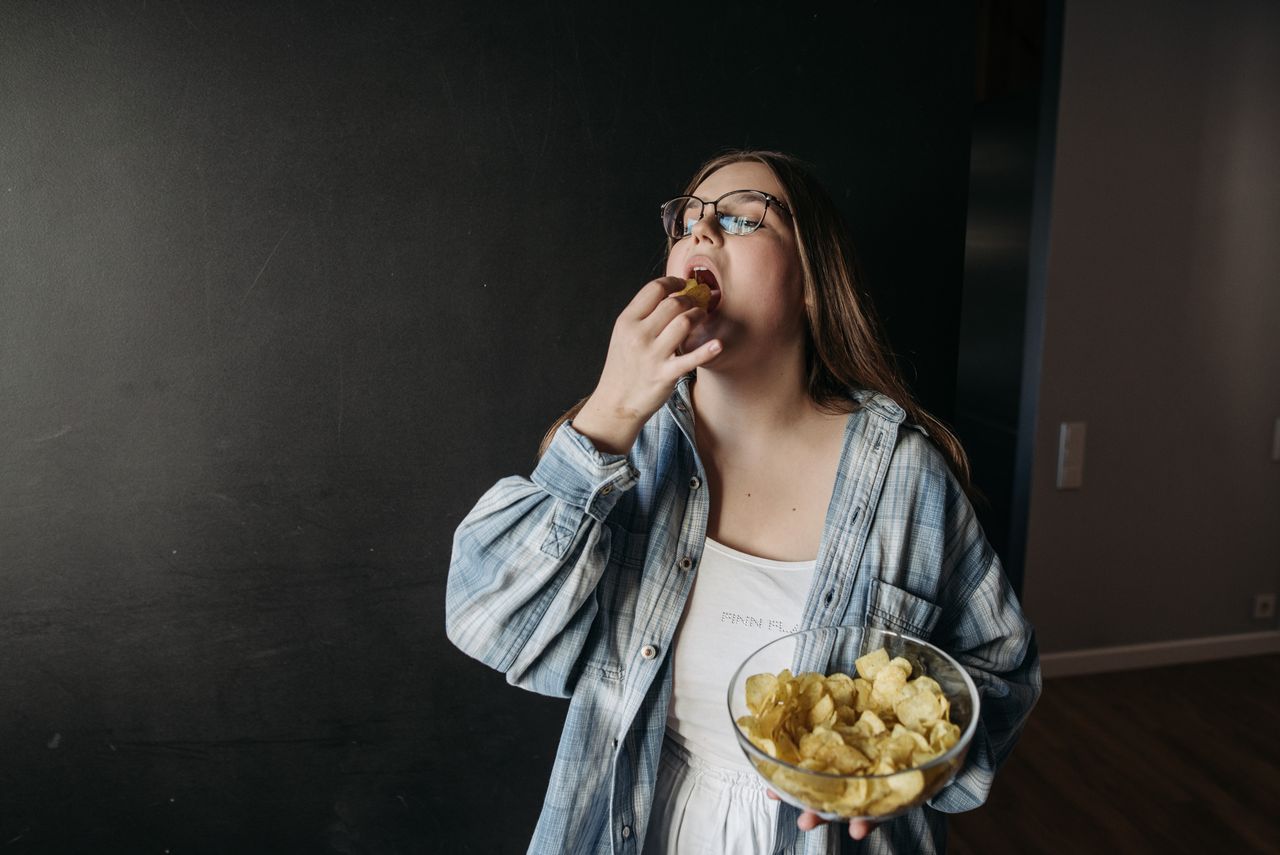
Americans are still snacking a lot, but the reasons behind those choices are getting more specific. Recent reports from Circana, the International Food Information Council, and Mondelēz show snack buying is being shaped by protein, meal replacement, indulgence, and tighter budget decisions.
Protein and function are moving to the center
One of the clearest shifts is that shoppers increasingly want snacks to do a job. Circana said on July 21, 2026, that health-focused benefits are driving purchase decisions, with consumers choosing snacks for energy, digestion, and weight management. The firm also said protein-rich options have gone fully mainstream, while snacks high in fiber and those supporting gut health are gaining ground quickly.
IFIC’s 2025 Food and Health Survey points in the same direction. The group said seven in ten Americans snack at least once a day, and it found that “good source of protein” moved into the top spot for how Americans define a healthy food. In that survey, 38% picked protein, ahead of “fresh” at 36% and “low in sugar” at 34%.
That matters at the shelf because snack shoppers are not only chasing cravings. Mondelēz said its 2026 State of Snacking report found 41% of U.S. bar buyers purchased a new bar specifically for high protein content, while 32% did so for high fiber. Circana also said manufacturers are responding by pairing protein with benefits such as fiber and hydration.
Snacks are acting more like meals, but treats still matter
A second major shift is that snacks are taking over some jobs that meals used to handle. IFIC said 62% of Americans in 2025 replaced meals with snacks or smaller meals, up from 56% in 2024 and 38% in 2020. Among those downsizing meals, 16% said they do so regularly, while 46% said they do so occasionally.
Circana’s U.S. retail research also found the line between snacks and meals continues to blur. In data for the year ending in March 2024, SnackTrack showed 37% of main meals contained a snack item, up from 29% in 2010. Circana described snack-as-meal behavior as a reliable source of category growth.
That does not mean Americans want every snack to feel virtuous. IFIC’s 2024 Spotlight Survey found 45% said their typical snack satisfies hunger between meals, and 41% said it is an extra treat or indulgence. Mondelēz added another time-of-day clue: 93% of U.S. consumers snack in the afternoon, while 96% snack in the evening, and 25% seek indulgent snacks at night. Taken together, the reports suggest shoppers are splitting snack choices between practical fuel earlier in the day and comfort later on.
Value, fruit, and discovery are shaping what lands in the cart
Price and shopping behavior are also reshaping the category. Circana said U.S. snacking reached $231 billion in sales, up 3.2% versus a year ago, and private label represented 16.6% of snack unit share in the U.S. The firm said some consumers are paying more for unique flavors, textures, and clean ingredients, while others are switching to private label to manage tight budgets.
IFIC’s snack survey suggests many Americans are still looking for familiar food groups, not only nutrient claims. Among the five food groups, the group found most American snackers seek fruit in their snacks, followed equally by protein and grains. It also said consumers choose snacks primarily to satisfy hunger at 56%, followed by a specific taste at 45%, convenience at 35%, and energy at 23%.
A fifth shift is where people find their next snack. Circana said discovery is fragmenting across social commerce and digital search, and shoppers increasingly rely on AI to find, compare, and select snacks. For home cooks and grocery shoppers, that helps explain why the snack aisle now mixes protein bars, fruit-forward choices, indulgent sweets, and store brands more tightly than before. The category is not moving in one direction. It is being pulled by function, appetite, habit, price, and convenience at the same time.