
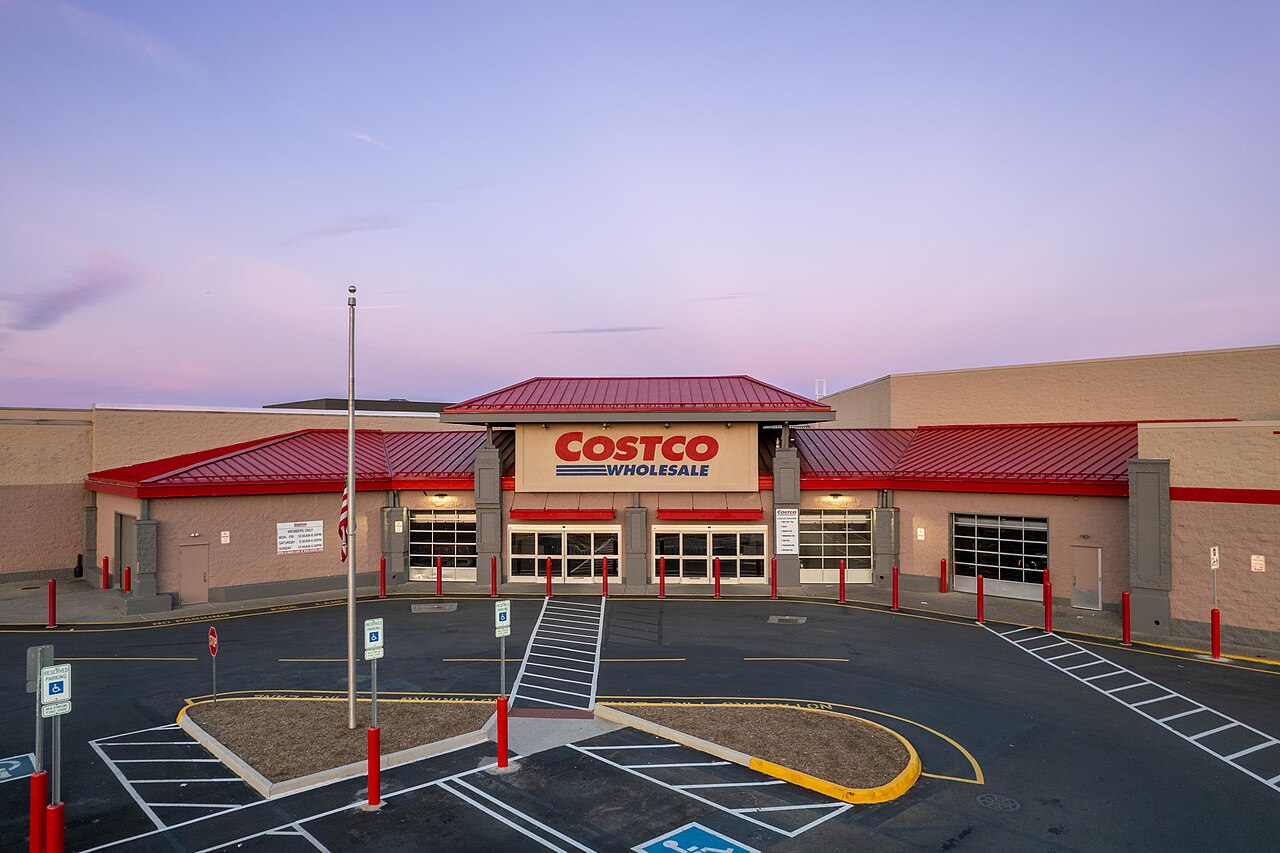
The Costco logo may be the same, but the experience is not. Cross the U.S.-Canada border with a membership card in your wallet, and small differences start showing up fast.
Some are obvious at checkout. Others reveal themselves in the food court, online ordering rules, and even what “value” looks like from one country to the next.
The same card opens both doors, but the math changes quickly
One of Costco’s most useful quirks is that the membership itself travels well. Costco Canada says U.S. and Canadian members with a valid membership card can shop on Costco.ca, and Costco’s U.S. customer service says members from outside the U.S. can place Costco.com orders if they use a U.S. shipping address. In practice, that makes the membership feel more portable than many shoppers expect.
But portability is not the same as sameness. Costco Canada’s membership terms list Gold Star at $65 and Executive at $130, matching the current U.S. structure after Costco’s September 1, 2024 fee increase. The prices look familiar, yet taxes, exchange rates, and shipping restrictions can change the real-world value proposition once you start buying across the border.
The online rules make that distinction even clearer. Costco.com says Canadian members can use the U.S. site with a U.S. shipping address, while Costco.ca says U.S. billing information can be used on the Canadian site as long as delivery stays within Canada. That means the membership is internationally recognized, but the e-commerce ecosystem remains nationally fenced.
Even Costco acknowledges that price gaps happen. Costco Canada says differences between Costco.ca and Costco.com pricing can reflect duties, tariffs, taxes, and different procurement costs, even though both countries follow the company’s published low-markup approach. So the first surprise is simple: the card crosses the border more easily than the savings do.
Checkout feels different because the payment culture is different
The fastest way to notice you are not in the same Costco anymore is at the register. In Canada, Costco’s customer service says warehouses accept Mastercard credit and debit, along with cash, Costco Shop Cards, and some digital wallet options. In U.S. warehouses, Costco says it accepts Visa cards, and its digital membership card payment feature is built around Visa with a U.S. billing address.
That split gives each country a different financial rhythm. In Canada, the co-branded relationship runs through the CIBC Costco Mastercard, which CIBC promotes as a no-annual-fee card for qualified applicants. In the U.S., the familiar warehouse card pairing is the Costco Anywhere Visa Card by Citi, reinforcing the sense that the same retailer plugs into two different banking systems.
Even gift-card behavior adds a border twist. Costco Canada says Shop Cards bought in Canada can be used in U.S. warehouses and are subject to the exchange rate. Costco’s U.S. Shop Card guidance also says nonmembers can use Shop Cards in U.S., Canada, and Puerto Rico locations, which turns a simple stored-value card into one of the easiest cross-border workarounds in the warehouse economy.
For shoppers, that changes the feel of membership. In one country, your habitual card works; in the other, it may not. Costco still looks like Costco, but paying like a local matters more than many members realize.
The food, product mix, and value cues tell you which country you are in
Nothing makes the border feel more real than the food court. Costco Canada’s own warehouse-departments page lists poutine and Montreal-style smoked meat sandwiches alongside the familiar hot dogs, pizza, chicken strips, soft drinks, and ice cream. U.S. Costco materials still lean on staples like the $1.50 hot dog-and-soda combo, pizza, and chicken bakes, giving the American food court a more standardized identity.
That difference matters because Costco’s value story is emotional as well as financial. In the U.S., shoppers often talk about iconic constants, especially the hot dog combo. In Canada, the appeal can feel slightly more regional and culturally tuned, with menu items that signal a specifically Canadian warehouse experience rather than a copy of the U.S. model.
The product mix can diverge in quieter ways too. Costco Canada says price differences with the U.S. can reflect import duties, tariffs, taxes, and sourcing realities, which helps explain why identical or comparable items do not always land at the same price point. What feels like a “better deal” can depend as much on supply chains as on sticker prices.
And then there is assortment nuance. Costco’s 2025 sustainability reporting said cage-free or free-run egg content in Kirkland Signature liquid eggs in Canada continues to increase, an example of how national sourcing and policy pressures shape what members actually see in refrigerated cases. So while the warehouse experience feels globally familiar, the everyday signals of freshness, convenience, and indulgence remain distinctly local.