
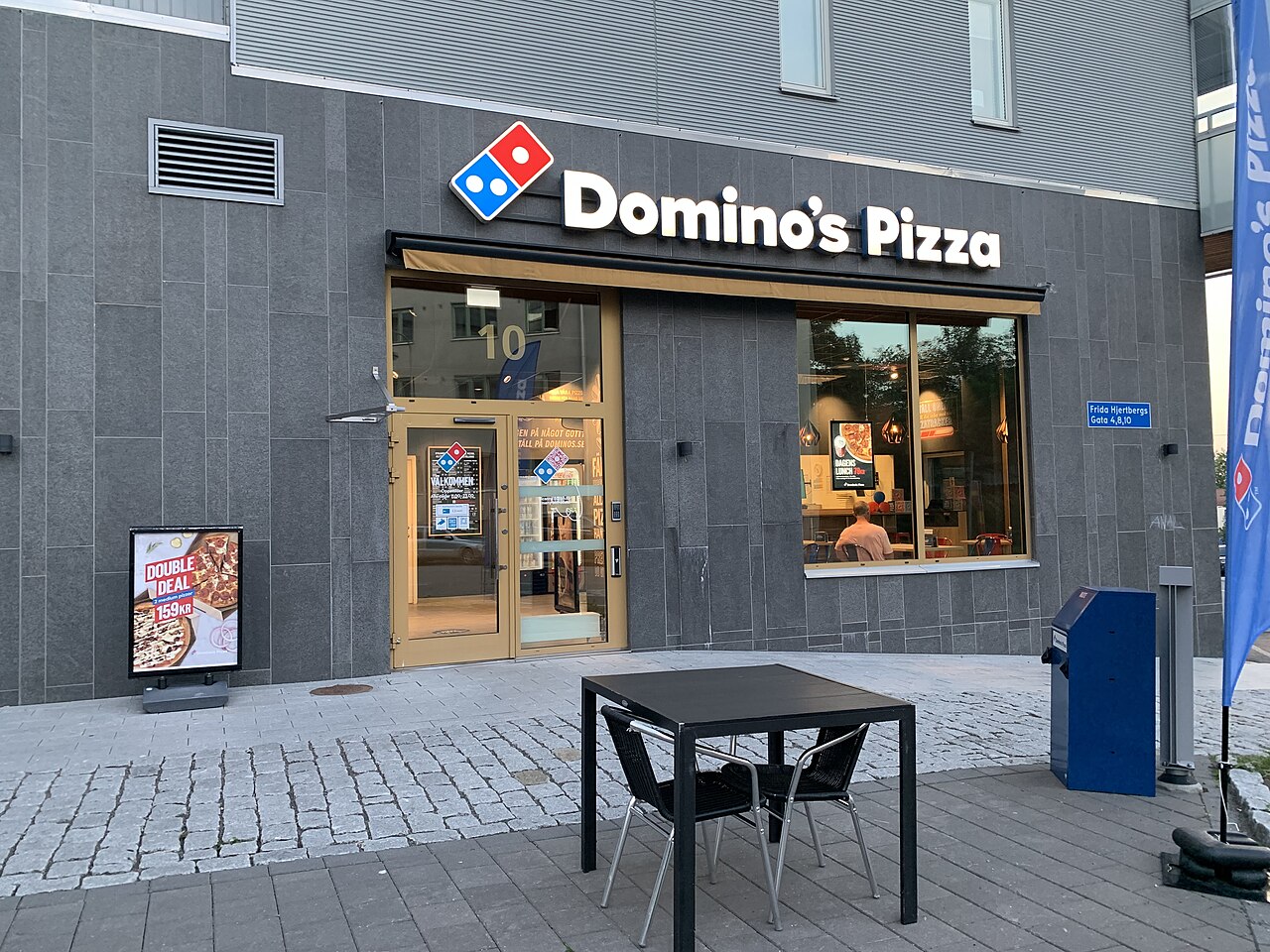
Domino’s is not in crisis. In fact, the company is still growing.
That is exactly why the new skepticism matters. When a brand this dominant has to work harder to prove value, it signals a real shift in how customers judge convenience food.
The value story is getting harder to read
Domino’s continues to present itself as a value leader, and there is evidence behind that claim. In its February 23, 2026 earnings release, the company reported U.S. same-store sales growth of 3.7% for the fourth quarter and 3.0% for fiscal 2025, while global retail sales topped $20.1 billion. The company also said more than 85% of U.S. retail sales in 2025 came through digital channels, showing how central app-based ordering has become.
But customers do not experience value through investor metrics. They experience it at checkout. Domino’s own 2025 annual report acknowledged that pricing remained a headwind for the restaurant industry, and the company leaned heavily on its $9.99 “Best Deal Ever” promotion to keep traffic moving. Reuters also reported in 2025 that Domino’s kept that $9.99 offer in market longer than planned because demand was tied so closely to discounting.
That creates the first quiet concern: if the best value depends on hunting for temporary deals, regular menu pricing can start to feel less compelling. A brand can post healthy same-store sales and still leave customers wondering whether the full-price experience is worth it. For many households, Domino’s increasingly looks like a chain you order from only when the promo is strong enough.
Delivery convenience now comes with more emotional friction
Domino’s built its modern reputation on fast, trackable delivery, and the company still has real operational strengths. Its 2024 annual report said delivery times improved by two minutes over the prior two years, and management has highlighted technology and store execution as competitive advantages. Domino’s also expanded access through Uber Eats and DoorDash, though its own drivers still complete those deliveries.
Yet convenience is no longer judged by speed alone. The deeper issue is fee fatigue. Customers may accept delivery charges in theory, but in practice many now compare the final all-in total against carryout, supermarket pizza, warehouse-club take-and-bake options, or local independents. Once taxes, fees, and tipping are layered in, a familiar chain can stop feeling like the easy bargain it once was.
That tension is especially important because Reuters reported that Domino’s U.S. same-store sales fell 0.5% in the first quarter of 2025, with lower-income consumers pulling back and delivery softness playing a role. Even when sales recovered later, the message was clear: Domino’s is not immune to value resistance. Customers are still ordering, but more of them are doing the math first.
Promotions, rewards, and new channels can also make the brand feel more transactional
Domino’s deserves credit for adapting. The company’s rewards push, aggregator partnerships, and heavily marketed offers such as Emergency Pizza are all meant to drive repeat business and protect market share. The Emergency Pizza program, for example, gives rewards members a free medium 2-topping pizza to redeem within 30 days after a qualifying order, subject to conditions including local delivery minimums on redemption.
The problem is that highly engineered promotions can sometimes weaken the simple promise customers want: good pizza at a fair price without a lot of mental effort. If shoppers feel they must join rewards, watch expiry windows, meet minimums, or wait for the right digital offer, the brand can start to feel less generous than advertised. What looks clever in marketing can feel conditional in real life.
That is the fifth and most important reason people are quietly asking whether Domino’s is still worth it: expectations have changed. Customers are no longer comparing Domino’s only against national pizza chains. They are comparing it against every convenient dinner option in their phone, every grocer with a hot-food case, and every local shop that can justify a slightly higher price with a more distinctive product. Domino’s is still strong, but “worth it” is no longer automatic.