
Some complaints fade as quickly as a trend. Others stick because they touch brands people grew up trusting.
Across grocery aisles, shoppers are increasingly voicing the same frustration: familiar names still dominate shelves, but the experience often feels diminished.
Why nostalgia brands are facing a tougher consumer test
The sharpest criticism usually starts with value, not sentiment. Reuters reported in May 2024 that Kraft Heinz missed sales estimates as consumers pushed back against higher-priced staples including Lunchables, Mac & Cheese, and cold cuts, a sign that even deeply embedded brands are no longer insulated from disappointment. When shoppers pay more and feel they are getting less flavor, smaller portions, or weaker quality control, the emotional backlash tends to be swift.
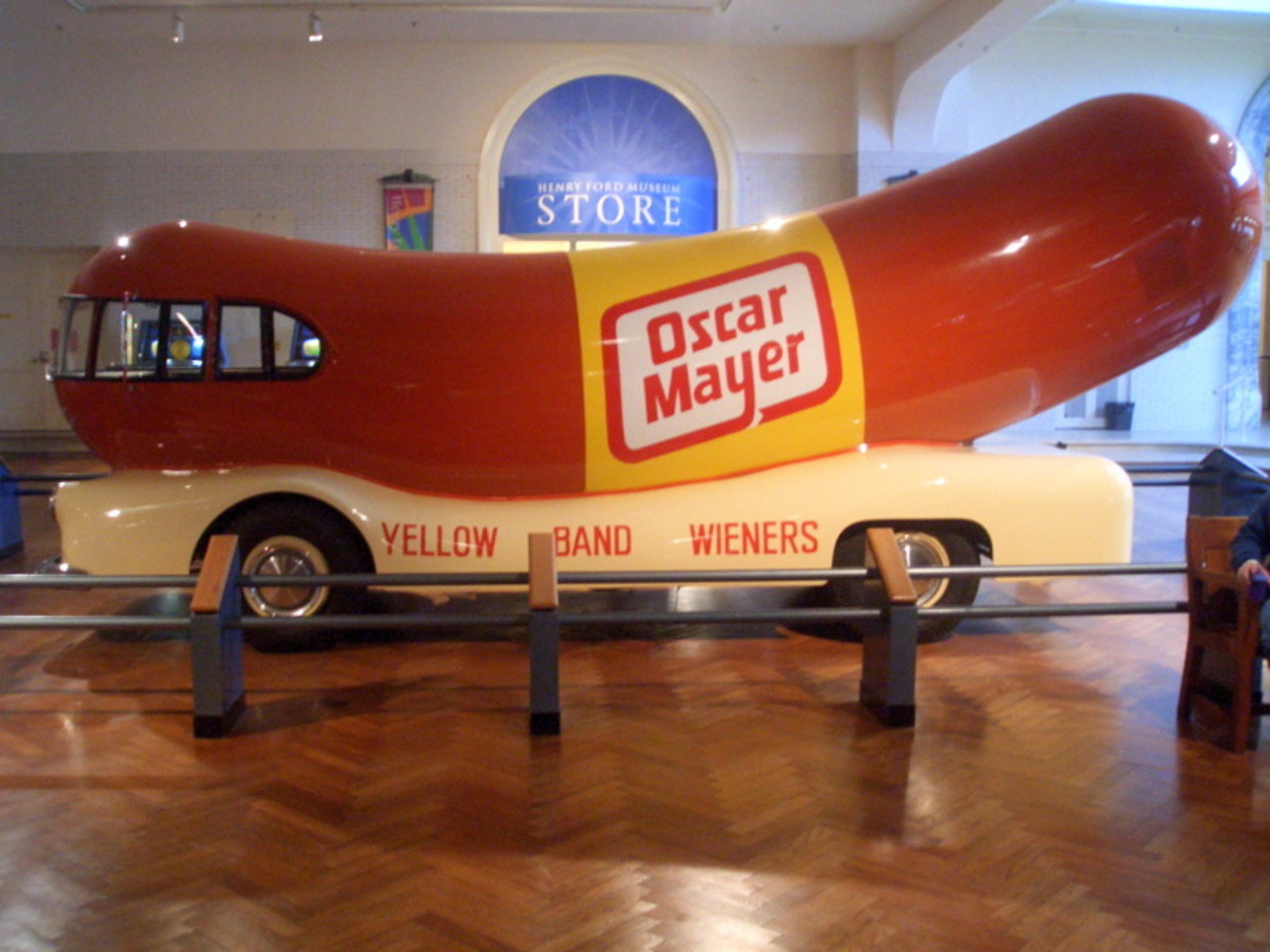
That helps explain why Kraft, Oscar Mayer, Lunchables, Capri Sun, and Jell-O often land on “not what they used to be” lists. In June 2025, Kraft Heinz said it would stop launching new U.S. products with artificial colors immediately and remove synthetic dyes from existing products by the end of 2027, underscoring how much pressure large food brands are under to revisit formulas. When a company starts promising cleaner labels, it is often responding to a market that already believes something drifted.
Kellanova faces a similar dynamic. The company said in July 2025 that its U.S. retail foods are on track to remove FD&C colors by the end of 2027, a notable development for brands tied to colorful pantry staples and snacks. For shoppers who have spent years arguing that cereals and toaster pastries taste sweeter, flatter, or more artificial, those changes read less like innovation and more like delayed course correction.
Campbell’s belongs in this conversation for a different reason. Its soup business remains resilient, with AP reporting that the company posted a 4% sales increase in a 2025 quarter as more Americans cooked at home, but broad familiarity can also work against it. The more often households buy a classic pantry item, the more likely they are to notice recipe tweaks, sodium concerns, thinner textures, or a gap between memory and the can they open today.
The 10 brands drawing the most second guesses
Kraft Mac & Cheese remains one of the clearest examples because shoppers often compare today’s box to a very specific memory. Sales pressure alone does not prove quality decline, but when a flagship comfort food loses pricing power while private label gains traction, it usually means the old formula of nostalgia plus convenience is weakening.
Lunchables has taken a more direct hit. Consumer Reports said in April 2024 that tests found potentially concerning levels of lead and phthalates in supermarket Lunchables kits, along with very high sodium, and later reported that the product was pulled from the national school lunch program. Even when legal limits are not exceeded, headlines like that can permanently alter how parents view a legacy brand.
Boar’s Head also saw a major trust rupture. After a deadly listeria outbreak, the Virginia plant tied to the contamination closed indefinitely in September 2024, according to Associated Press coverage cited widely by local outlets and national reporting. For a premium deli brand built on consistency and quality cues, food safety failures hit harder than ordinary taste complaints.
Quaker, another pantry staple once treated as nearly unimpeachable, absorbed damage from its nationwide recall wave. FDA notices show Quaker expanded recalls in January 2024 to include additional cereals, bars, and snacks because of possible Salmonella contamination. That matters because when a breakfast brand trades on wholesomeness, operational lapses can make shoppers reassess the entire portfolio.
What shoppers really mean when they say a brand has declined
Most consumers are not conducting blind taste panels. They are reacting to a layered mix of higher prices, reformulations, packaging downsizes, recall news, and a growing belief that large manufacturers optimized too aggressively for margin and shelf life. Reuters has repeatedly noted that packaged food makers, including Kraft Heinz and peers, are navigating softer demand as inflation-worn shoppers seek cheaper alternatives, and that context shapes perception before a box or can is even opened.
That is why this list is not just about dramatic failures. It also includes brands like Pop-Tarts, Campbell’s, Oscar Mayer, Jell-O, Capri Sun, and Kraft Singles, where the complaint is often cumulative: too sweet, too salty, too processed, too small, or simply less satisfying than the version people remember. In many homes, “not what it used to be” is shorthand for a longer story about trust erosion.
The important distinction is that consumer disappointment is now easier to quantify. Retail data, recall databases, reformulation announcements, and earnings reports increasingly confirm what shoppers say anecdotally: legacy food brands are under unusual pressure to defend taste, ingredient choices, and value all at once. Once that three-part bargain breaks, nostalgia alone rarely fixes it.
For these 10 American food brands, the challenge is no longer just staying famous. It is proving that familiarity still deserves loyalty.