
Some snacks do more than fill a lunchbox. They mark an era, reflect changing food trends, and reveal how quickly pantry kings can disappear.
The 1970s were packed with products that felt futuristic, indulgent, or just plain fun. Many became household staples before fading as tastes, ownership, and marketing priorities changed.
Candy bars and sweets that captured the decade
Few discontinued snacks say “1970s” more clearly than Space Food Sticks, Marathon Bars, and Reggie! Bars. Pillsbury turned the space race into pantry marketing with Space Food Sticks, a chewy rod-shaped snack introduced around 1970 after food technologist Howard Bauman developed the concept from space-age nutrition research. The product sold the fantasy of science, convenience, and energy in one slim package, which made it irresistible to kids and parents alike.
The Marathon Bar leaned into pure excess. Sold in the United States by Hershey in the 1970s, it was famous for its unusually long braided caramel covered in milk chocolate and wrapped with a ruler printed on the package to emphasize its length. It became a pop-culture snack, but it disappeared by the early 1980s, leaving behind a level of brand memory that still outperforms many products that lasted longer.
Then there was the Reggie! Bar, launched in 1978 by Standard Brands through Curtiss Candy and named for baseball star Reggie Jackson. The bar rode celebrity marketing at full speed, and later reporting by Fast Company said it generated $11 million in the New York area alone during its debut year. Its run was brief, ending in 1981, but that short life proved how powerfully sports fame could move candy off shelves.
Wacky Wafers and Banana Flip rounded out the sweet side of the decade. Wacky Wafers became known for oversized fruit-flavored candy discs, while Banana Flip built a devoted following as a chocolate-covered banana-flavored nougat bar. Leaf Brands, which now revives nostalgic candies, still treats both as artifacts of a distinctly playful snack era.
Pantry novelties that felt futuristic at home
Some of the most memorable ’70s snacks were less about flavor than format. Nabisco’s Snack Mate, introduced in 1965 and still heavily associated with mid-century and 1970s entertaining, put aerosol cheese spread directly into consumers’ hands. The Smithsonian notes that it was marketed as a modern convenience food, the kind of product that fit an era obsessed with saving time and making packaged foods feel ingenious.
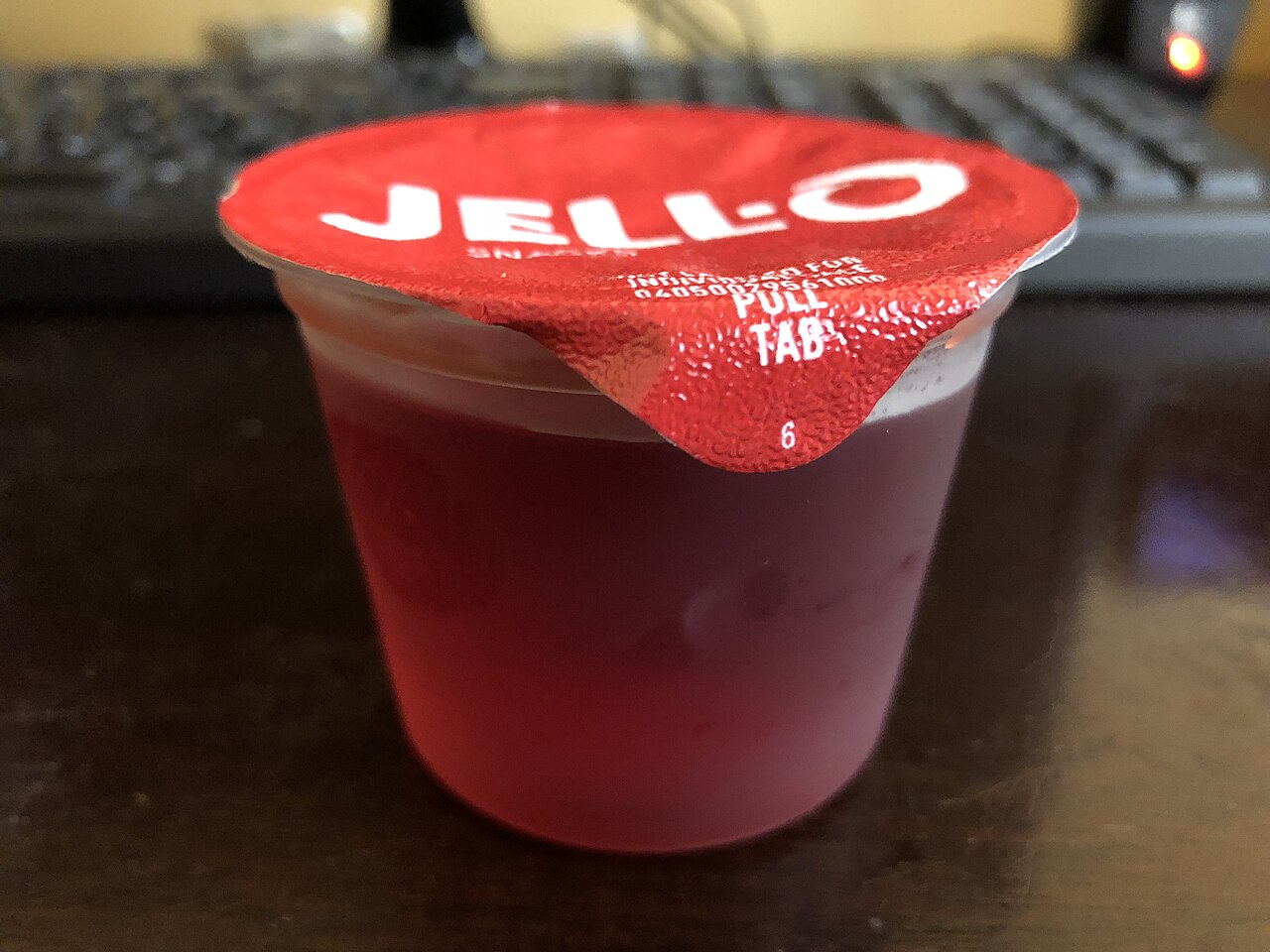
Jell-O 1-2-3 took the same spirit into dessert. Introduced in 1969, the mix separated as it set into three layers: a creamy top, mousse-like middle, and gelatin base. That transformation made it feel almost magical in a home kitchen, and it remained widely familiar for years before being discontinued in 1996, long after its 1970s peak.
Quisp also deserves a place in any discussion of vanished pantry rulers. General Mills built the cereal around a cartoon alien and a crunchy, sweet corn shape that stood out in a decade driven by mascots and Saturday-morning marketing. While Quisp has returned in limited forms over the years, it no longer occupies the permanent cultural shelf space it once held as a childhood staple.
What unites these products is that they sold an experience as much as a taste. They were tactile, visual, and conversation-starting, whether sprayed from a can or separated into layers in the refrigerator. That helped them dominate pantries in an era when novelty itself was a selling point.
Why these once-dominant snacks disappeared
Most of these snacks did not vanish because people forgot them overnight. They disappeared because the market changed around them. Corporate mergers reshaped portfolios, shelf space became more competitive, and products built around novelty often struggled once the surprise wore off or production became less efficient than simpler, faster-selling alternatives.
Health expectations also evolved. By the late 20th century, consumers were more skeptical of heavily processed foods pitched as futuristic miracles, especially products high in sugar, salt, or artificial ingredients. That shift did not erase nostalgia, but it changed what brands considered worth keeping in permanent rotation.
Even so, the afterlife of these snacks is remarkable. Planters Cheez Balls, another pantry icon with roots in the late 20th-century snack boom, were discontinued in 2006 before making a limited return in 2018 after years of fan demand. That pattern shows how strongly discontinued snacks linger in memory, even when their original cultural moment has passed.
The vanished snacks of the 1970s mattered because they reflected a country fascinated by convenience, spectacle, and branding. They were lunchbox status symbols, TV-ad stars, and impulse buys that helped define what a stocked pantry looked like. They disappeared from shelves, but not from the collective memory of the people who grew up reaching for them.