
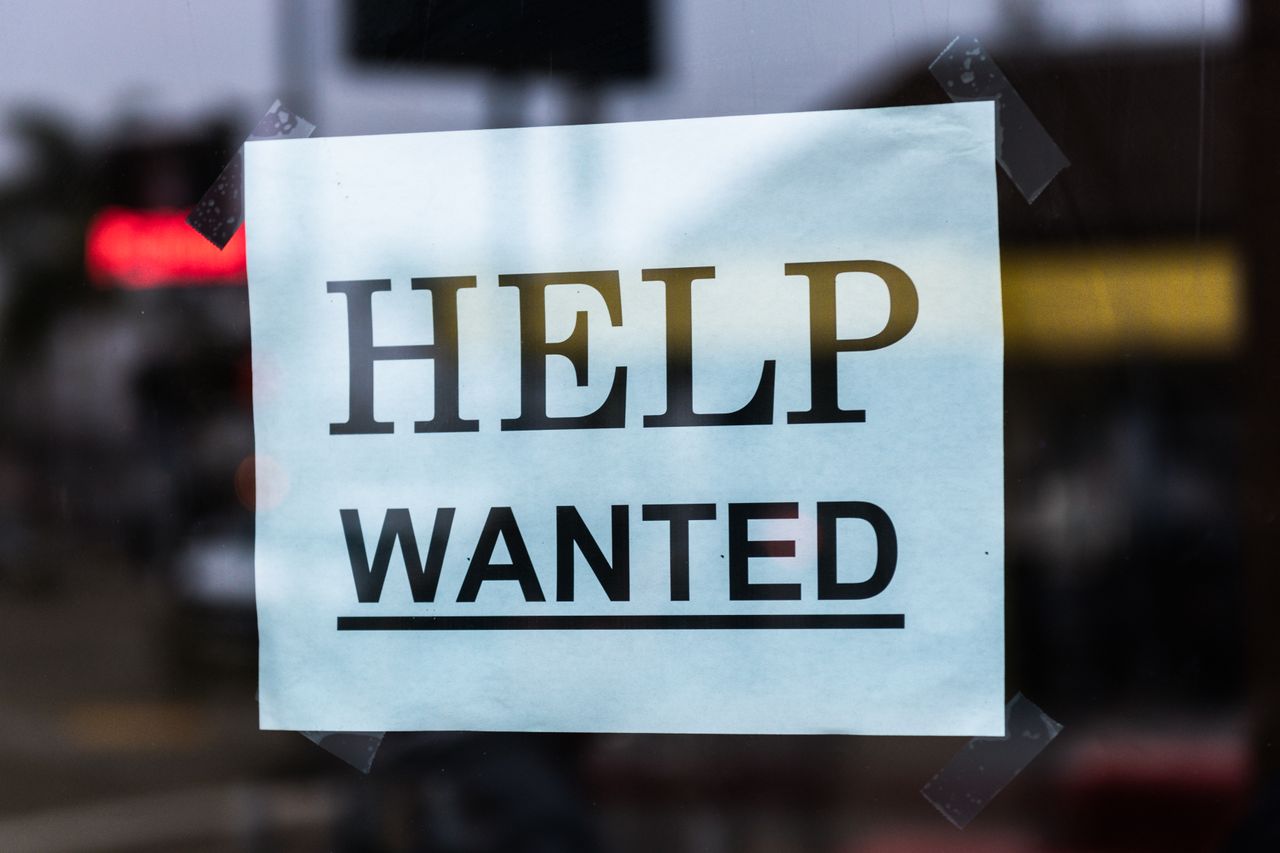
Restaurant hiring finally found its footing again. After a summer marked by softer demand and unusually weak payroll gains, August delivered a much stronger signal from one of the economy’s most closely watched service sectors.
The rebound matters because restaurants are often an early read on consumer confidence. When operators start adding workers again, it usually says as much about customer traffic as it does about staffing needs.
August Delivered the Strongest Restaurant Hiring Surprise in Months
The headline number was hard to miss. According to the U.S. Bureau of Labor Statistics, employment in food services and drinking places rose by 59,000 in August, a gain that came in well above the industry’s average monthly increase of 12,000 over the prior 12 months. In the same report, overall U.S. payrolls increased by 162,000 and the national unemployment rate held steady at 4.1%, giving restaurant hiring a stronger macroeconomic backdrop.
That August jump looked even more notable because it followed a rough stretch. BLS industry data shows restaurant employment slipped from 12.385 million in May to 12.378 million in June and then to 12.368 million in July before climbing back to 12.427 million in August. In other words, the sector had been losing altitude through much of the summer before regaining momentum in a single month.
The National Restaurant Association went further, calling restaurants the largest source of job growth in August. Its reading of the data suggests the sector’s rebound outperformed expectations at a time when many operators were still dealing with uneven guest traffic and value-conscious consumers. That combination makes the hiring bounce look less like statistical noise and more like a meaningful reset after a softer summer patch.
Why Summer Felt So Weak Even Before the Rebound
The summer slowdown was not just a feeling. In the July employment report, food services and drinking places lost 26,000 jobs, underscoring that hiring had cooled meaningfully before August reversed course. That weakness aligned with broader signs that households were still spending, but doing so more selectively, especially in discretionary categories such as dining out.
Another telling signal came from the labor pipeline itself. National Restaurant Association analysis of federal JOLTS data showed 673,000 job openings in the combined restaurants and accommodations sector at the end of July. It also described June and July as the softest hiring period since the first quarter of 2025, suggesting employers had pulled back not because labor suddenly became abundant, but because demand visibility had become murkier.
That distinction matters. Earlier in the recovery, restaurants were hiring aggressively simply to catch up with demand and refill chronically understaffed rosters. By mid-2026, staffing pressure had eased enough that operators could slow recruiting when traffic softened, which is a healthier problem than the labor shortages that defined the previous few years.
What the Rebound Really Means for Restaurants and Workers
August’s hiring bounce is encouraging, but it does not erase the industry’s structural challenges. The National Restaurant Association has noted that customer traffic remains uneven, and many operators are still likely to be cautious with hiring. A one-month rebound can signal resilience without guaranteeing a straight-line recovery, especially when consumers remain sensitive to menu prices and promotions.
There is also an important split inside the industry. Association data indicates the overall restaurant workforce now sits above pre-pandemic levels, yet full-service restaurant employment was still about 203,000 jobs, or 3.6%, below pre-pandemic readings as of July 2026. That suggests quick-service and limited-service concepts have generally recovered faster, while sit-down operators continue to rebuild more gradually.
For workers, though, the August numbers still send a constructive message. Restaurants are hiring again, and at a pace that materially exceeded recent norms. For investors, suppliers, and local economies, the rebound says the sector is not collapsing under softer summer demand; it is recalibrating, then expanding when the traffic justifies it. After a rough summer, that is exactly the kind of labor-market signal worth watching.