
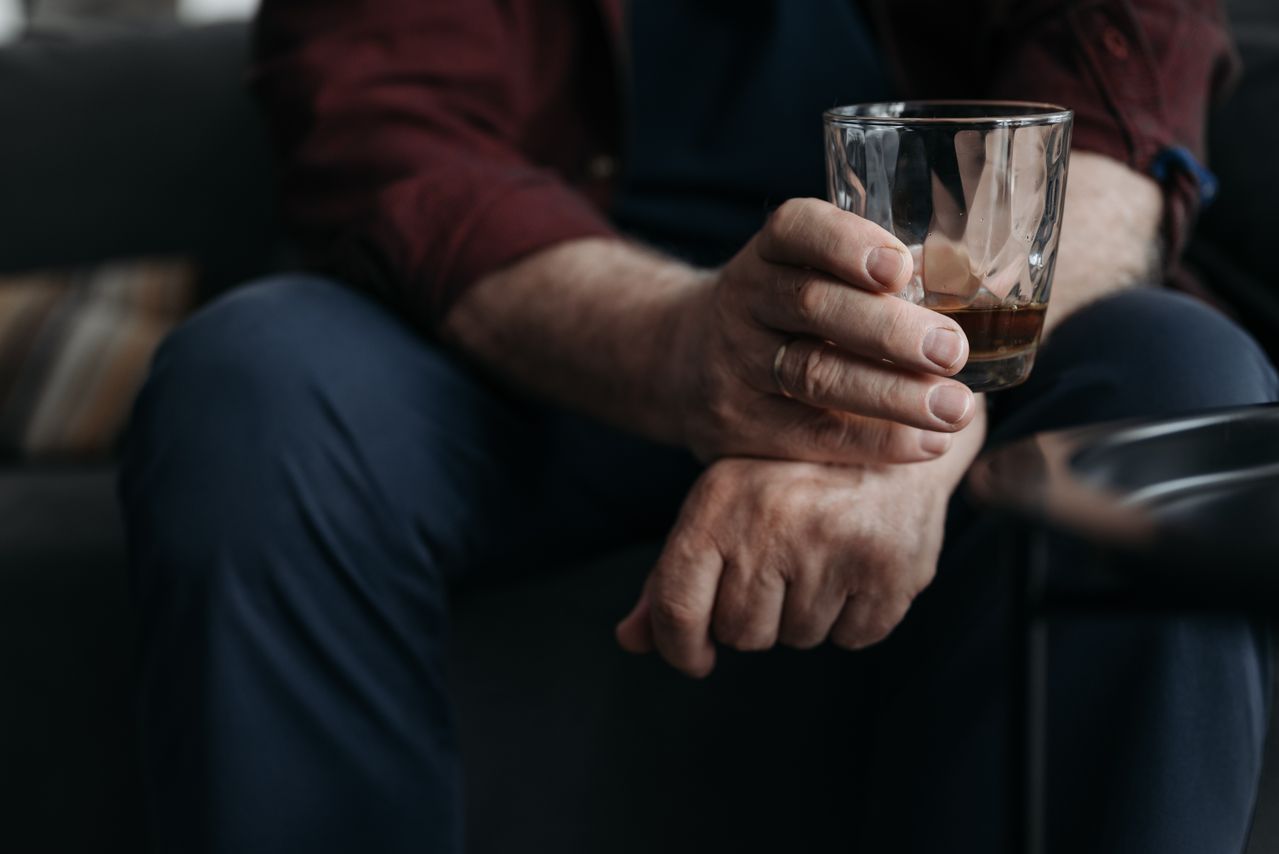
Americans are rethinking what ends up in the glass. What looked like a niche wellness habit a few years ago is now showing up in national data, retail sales, and public health messaging.
A historic drop is showing up in the numbers
The clearest signal comes from Gallup, which found that 54% of U.S. adults say they drink alcohol, matching a record low and marking a sharp slide from 62% in 2023. That matters because Gallup’s trend stretches back to 1939, making this not just a soft patch but the lowest reading in the survey’s history. The poll also found a major change in attitudes: a majority of Americans now say having one or two drinks a day is bad for health.
Other federal data point in the same direction. SAMHSA’s 2024 National Survey on Drug Use and Health reported that heavy alcohol use among people 12 and older fell to 5.0%, down from 5.7% in 2021. Among young adults ages 18 to 25, NIAAA says 47.5% reported drinking in the past month in 2024, a reminder that drinking remains common but is no longer as culturally automatic as it once was.
Sales data tell a slightly different but related story. NIAAA’s latest surveillance report, based on 2023 sales and shipment data, tracks apparent per-capita alcohol consumption rather than self-reported behavior, so it measures what enters the market rather than what every individual actually drinks. Even so, more recent industry tracking from IWSR and NielsenIQ shows the same pressure: total U.S. beverage alcohol volumes fell in 2025, with weakness across beer, wine, and spirits.
Health warnings are changing consumer behavior
The biggest force behind the shift may be a simple one: more Americans now believe alcohol carries real health risks even at moderate levels. Gallup explicitly tied the recent decline to rising concern about alcohol’s effects, and that tracks with a broader scientific and policy conversation that has become much harder to ignore.
In January 2025, the U.S. surgeon general called for cancer warnings on alcoholic beverages and urged a reassessment of drinking-guideline messaging. That recommendation landed after years of increasingly blunt guidance from public health authorities. The World Health Organization has said there is no completely risk-free level of alcohol consumption, especially when cancer risk is part of the equation.
That message is filtering into everyday decisions. Deloitte found that 49% of Americans said they planned to drink less in 2025, up from the year before, and Gen Z stood out most strongly. Nearly 66% of Gen Z adults surveyed said they planned to cut back, and 39% said they expected to adopt a dry lifestyle. In practical terms, drinking is losing some of its old halo as a default social, professional, and even self-care ritual.
The sober-curious economy is now mainstream
Consumers are not just rejecting alcohol; they are replacing it with better alternatives. What used to mean sugary mocktails or an afterthought club soda now includes premium zero-proof beer, nonalcoholic spirits, botanical aperitifs, and ready-to-drink options designed to feel adult rather than abstinent. That change has made moderation easier because people no longer have to opt out of the ritual to skip the alcohol.
NielsenIQ says nonalcoholic beer, wine, and spirits topped $1 billion in sales in 2025, while a separate NIQ report described the category as moving firmly into the mainstream. IWSR has also called no-alcohol one of the brightest growth areas in the U.S. drinks market, especially as consumers focus on wellness, moderation, and premium experiences.
The result is a cultural shift, not just a statistical one. Younger adults are more comfortable declining a drink, older consumers are more aware of long-term health tradeoffs, and the market now offers enough appealing substitutes to make that choice stick. America is still drinking, but more selectively, more skeptically, and with far less assumption that alcohol belongs at the center of social life.