
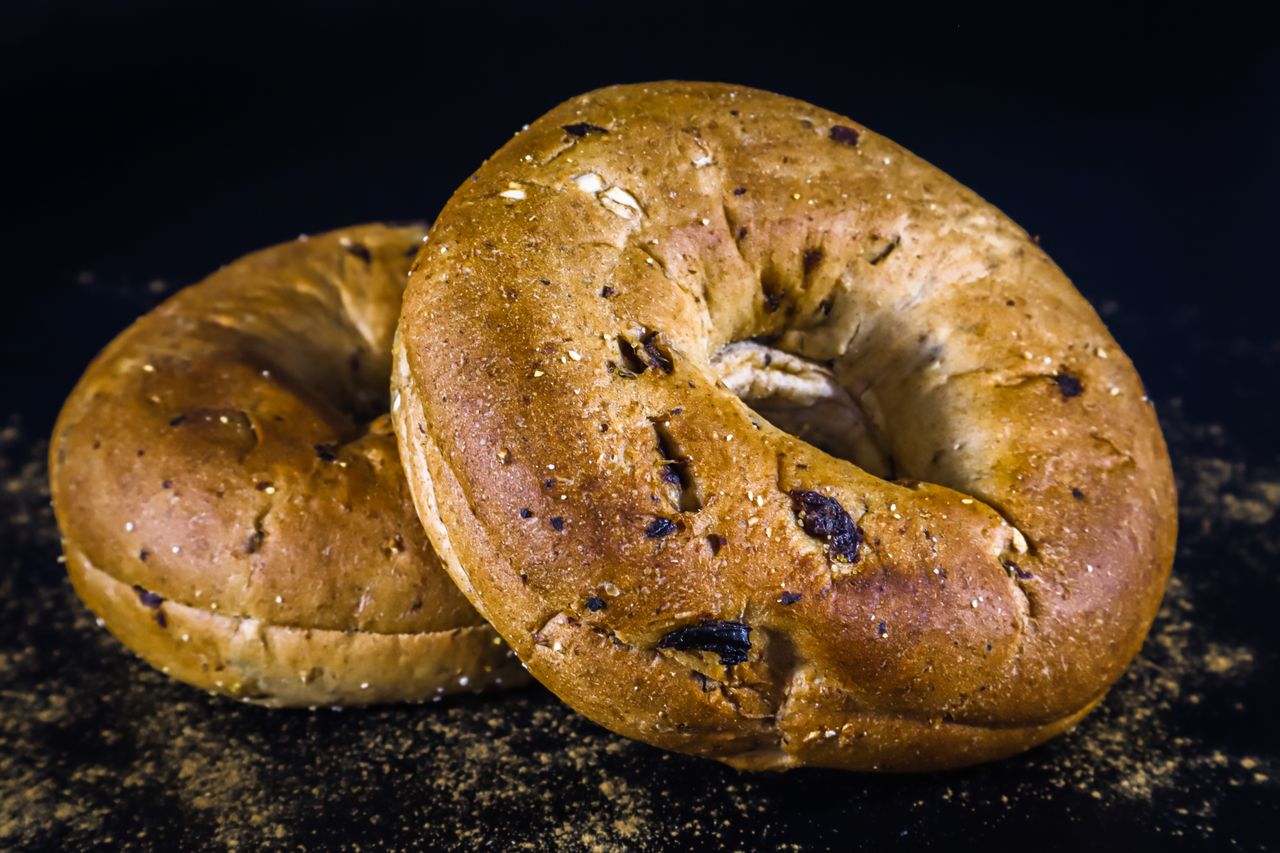
It sounds absurd at first. One bagel is tax-free, another gets taxed, and the only visible difference may be a knife cut.
But New York’s bagel rule is not really about bagels. It is about the state’s long-standing distinction between basic groceries and prepared food.
The grocery rule ends when service begins
New York generally exempts food and food products sold by food stores from sales tax, which is why an ordinary bagel bought by quantity is usually not taxed. The state’s own tax guidance lists bagels among foods that can be sold tax-free when they are treated like grocery items rather than ready-to-eat meals, according to the New York State Department of Taxation and Finance.
That same guidance draws a sharp line once the seller adds preparation or service. A bagel sold toasted, buttered, or with cream cheese is taxable, and the state also treats certain forms of slicing and serving as signs that the item has crossed into prepared-food territory. In plain English, the tax is triggered less by the dough itself than by what the shop does to it before handing it over.
This is the logic behind the famous “bagel tax.” A dozen whole bagels taken home is considered grocery-style food. A bagel split, smeared, wrapped, and served for immediate eating looks more like the kind of meal a deli, café, or restaurant sells, and New York taxes those sales under its prepared-food rules.
Why slicing matters more than people think
The slicing issue confuses people because slicing alone can seem trivial. But New York’s food-store bulletin says taxability depends on how food is sold, and its bagel example distinguishes between bagels sold by quantity, whether whole or sliced, and bagels sold toasted, buttered, or with cream cheese. That means a bakery simply selling sliced bagels in bulk is not automatically creating a taxable sale.
The real-world controversy comes from the typical bagel-shop transaction. When a counter worker slices a single bagel to order, often adds a spread, wraps it, and serves it as breakfast or lunch, the state sees more than a grocery purchase. It sees preparation for immediate consumption, the same principle used to tax sandwiches and many restaurant foods.
New York’s sandwich guidance reinforces that approach. The state says a sandwich can be as simple as a buttered bagel or roll, which shows how easily a bagel moves from exempt bread product to taxable prepared meal. So the memorable sliced-versus-unsliced shorthand is useful, but it is slightly incomplete; what really matters is whether the bagel is being sold as a grocery item or as ready-to-eat food.
The bagel rule is quirky, but the tax policy is common
New York’s rule gets headlines because bagels are iconic and the distinction feels intensely local. Yet the policy itself is not unusual. States across the country often exempt groceries while taxing restaurant meals, hot foods, and prepared items, and New York applies that framework with unusually specific examples.
For consumers, the practical effect is simple. If you buy bagels the way you buy bread for home, the sale is generally exempt. If the shop prepares one for you to eat now, especially by toasting it or adding butter or cream cheese, sales tax usually applies under state rules and, in many places, local sales taxes as well.
For shop owners, the rule is less funny than operational. They must decide which transactions count as exempt food sales and which count as taxable prepared food, then collect and remit the proper tax. That is why the bagel tax survives: not because Albany wanted to single out a beloved breakfast, but because bagels sit exactly on the border between grocery staple and prepared meal.
Finally found a platform that actually treats players right. The bonuses are generous and the app is super intuitive. Give 777phpapp a try.
Really impressed with the speed of the deposits here. It is hard to find a platform that doesn’t lag during peak hours, but vnsk168 handles it like a pro.