
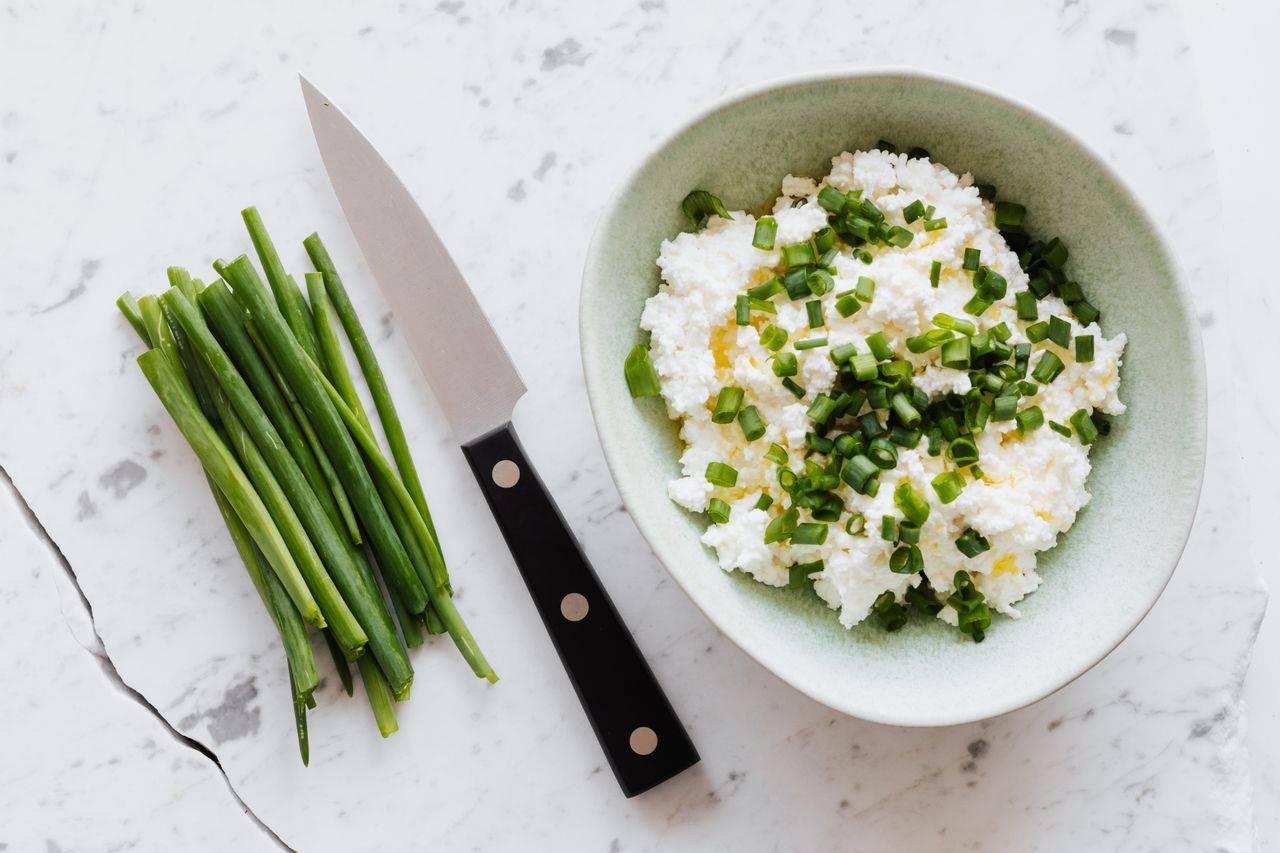
Cottage cheese has re-entered the national food conversation as retailers, publishers, and dietitians track a surge in protein-focused cooking. The overlooked use changing my own kitchen routine is simple: blending cottage cheese into a smooth sauce base for pasta, dips, and dressings, a technique now showing up across major food and nutrition outlets.
Cottage cheese is being used as a blended cooking base, not just a snack
The specific shift is the move from eating cottage cheese by the spoonful to using it as a functional ingredient in cooked meals. Bon Appétit reported this month that its editors are using cottage cheese in onion dip, herb sauces, and smoothies, while The Washington Post highlighted it as the base for a lower-calorie ranch dressing and a practical way to add protein to recipes. Martha Stewart also reported in August that cottage cheese is being used in both sweet and savory dishes as the ingredient regains popularity.
What makes the technique notable is that it changes the product’s texture entirely. When blended, cottage cheese loses the curds that many consumers say they dislike and becomes smooth enough for pasta sauces, dips, and spreads. That makes it closer in function to ricotta, sour cream, or even part of a cream sauce, depending on the recipe.
The result is a use case that feels less like a trend snack and more like a pantry method. In my cooking, that means blending cottage cheese with garlic, lemon, herbs, and a little pasta water to make a quick sauce that coats noodles without relying on heavy cream. Published recipes and editor notes over the last year suggest that same approach is spreading well beyond home kitchens focused only on diet foods.
The biggest impact is in everyday home cooking, though no single region owns the trend
This is not a restaurant closure, recall, or company expansion story with city-by-city counts. Instead, the confirmed impact is national and household-level: major food publishers, health systems, and dietitians are documenting broader consumer interest in cottage cheese as a versatile cooking ingredient. Cleveland Clinic said in a March 30, 2026 newsroom piece that cottage cheese has become a popular ingredient in many social-media recipes, while EatRight, the Academy of Nutrition and Dietetics’ consumer platform, recommends using it in creamy dips and cooked dishes.
What is not yet known is how much of that attention is translating into permanent shifts in grocery buying by state or metro area. The available reporting and expert guidance do not provide a verified list of U.S. regions where cottage cheese use is growing fastest, and there is no public breakdown in the source material by city.
For consumers, the practical local effect is straightforward even without location-specific data. In many supermarkets, cottage cheese is a comparatively accessible dairy item that can be repurposed across breakfast, lunch, dinner, and snacks. That matters in home kitchens where shoppers want ingredients that can work as both a high-protein food and a substitute in recipes that would otherwise call for ricotta, sour cream, or a richer dairy base.
Protein demand and texture work are driving the change in how people cook with it
The broader context is the sustained consumer focus on protein-rich foods. The Washington Post reported in May 2025 that a half-cup serving of low-fat cottage cheese contains about 13 grams of protein and 90 calories, helping explain why cooks are turning to it for dressings and other blended applications. Cleveland Clinic similarly described cottage cheese as a healthy food choice, and Good Housekeeping reported that social media helped push the ingredient back into mainstream use after years of being seen mainly as an older diet food.
There is also a culinary reason for the shift that has little to do with nutrition marketing. Cottage cheese has a mild flavor, and once blended, its texture becomes much more adaptable. Chef-focused and recipe coverage has repeatedly pointed to that transformation as the key to making it work in creamy kale pasta, dips, sauces, and spreads that do not read as overtly “cottage cheese” on the plate.
What that means for shoppers is not that cottage cheese replaces every dairy ingredient, but that it offers another tool for weeknight cooking. The clearest takeaway from recent reporting is that its revival is being sustained less by novelty and more by utility: it can be blended, heated, and folded into familiar dishes in ways that fit how many people currently want to cook.