
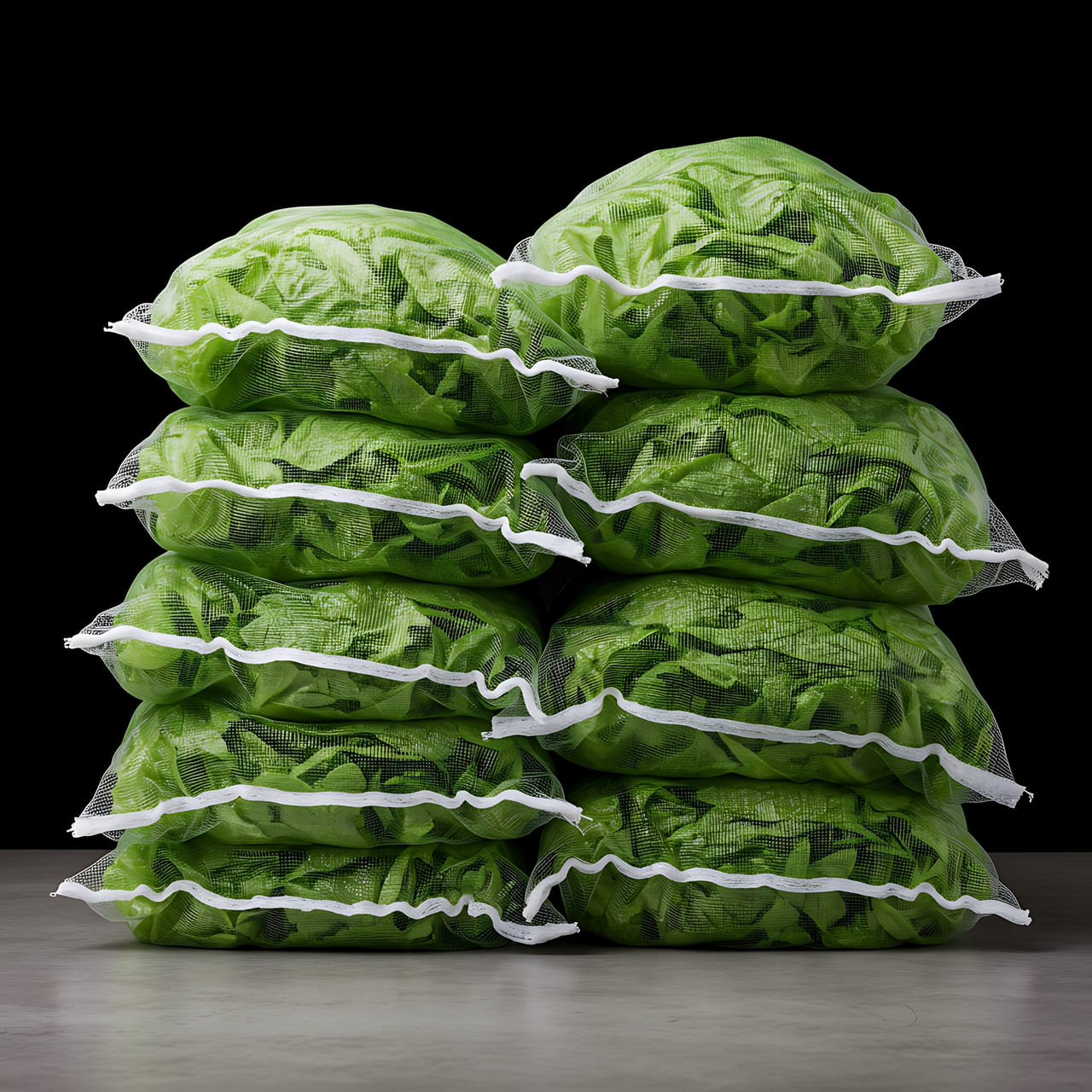
Salad kits and shredded greens have become a routine grocery shortcut across the U.S., even as repeated food-safety incidents have kept prepped produce under scrutiny. This summer, that scrutiny narrowed to bagged and shredded iceberg lettuce after federal investigators linked a large Cyclospora outbreak to products supplied by Taylor Farms de Mexico. Food safety specialists interviewed by major outlets said the outbreak may prompt consumers to rethink whether ready-to-eat iceberg lettuce still feels like a low-risk staple.
Federal investigators tied the outbreak to shredded iceberg lettuce
The central event was Taylor Farms de Mexico’s July 17, 2026 decision to voluntarily remove all iceberg lettuce sourced from central Mexico from the U.S. market, after the FDA said its traceback investigation had identified convergence on the supplier. The FDA said Taylor Farms also initiated a recall on July 17 covering Walmart Marketside “Iceberg Salad” in 12-ounce and 24-ounce packages and “Shredded Lettuce” in 8-ounce and 16-ounce packages with best-if-used-by dates from July 18, 2026 through August 3, 2026. The agency said a full list of affected foodservice products, including lot codes and disposal or return instructions, was included in the company recall notice.
By August 20, the FDA said 1,947 people infected with Cyclospora and reporting Taco Bell exposure had been identified across nine states, with illnesses beginning between June 22 and July 20, 2026. The agency said at least 98 hospitalizations had been reported and no deaths had been confirmed. Earlier in the investigation, the FDA said ingredient-level analyses showed 90% of interviewed patients had reported eating iceberg lettuce.
The FDA also said a border sample first reported as positive on July 18 was later determined to be a false positive after laboratory review on July 19. Even so, the agency said the false positive did not change the basis for the recall because traceback and epidemiological evidence still converged on shredded iceberg lettuce from Taylor Farms growers in central Mexico. The FDA continued to advise the public to avoid all products listed in the voluntary recall.
The confirmed footprint stretched across dozens of states, but some details remain incomplete
The recall reached well beyond a single market. According to the FDA’s outbreak advisory, confirmed foodservice distribution of recalled Taylor Fresh Foods iceberg lettuce products from June 29 through July 16 reached Alabama, Arkansas, Connecticut, Florida, Georgia, Iowa, Illinois, Indiana, Kansas, Kentucky, Louisiana, Massachusetts, Maine, Maryland, Michigan, Missouri, Mississippi, North Carolina, Nebraska, New Hampshire, New Jersey, New York, Ohio, Oklahoma, Pennsylvania, South Carolina, Tennessee, Texas, Virginia, Wisconsin, and West Virginia. The FDA also said recalled product may have been further distributed to the District of Columbia, Delaware, North Dakota, Puerto Rico, Rhode Island, South Dakota, Vermont, and Washington.
The retail side was narrower in the public record. The FDA specifically identified Walmart-sold Marketside iceberg products at retail, but it did not publish a city-by-city list of where each package was sold in the outbreak page excerpt. That means consumers could verify package size and best-if-used-by dates, but a comprehensive public list of individual store locations was not fully available in the FDA summary.
Restaurant exposure was also geographically specific. The FDA initially said the Taco Bell-linked subset involved Indiana, Kentucky, Michigan, Ohio, and West Virginia, before later updates expanded the outbreak count to nine states. Federal and state agencies did not publicly identify every individual restaurant tied to illness reports in the materials reviewed.
Experts say the episode highlights the tradeoff built into convenience lettuce
The broader context is not that all lettuce is unsafe, but that pre-shredded, ready-to-eat lettuce carries a distinct vulnerability once contamination enters the supply chain. In interviews published by Prevention and WIRED, food safety specialists said the 2026 outbreak forced consumers to think harder about convenience greens, even as some experts later said recalled product should no longer be on shelves because the use-by dates had passed. The FDA likewise stated that the best-by dates for the recalled lettuce had passed and the product should no longer be available in stores or restaurants.
The outbreak also illustrated how difficult Cyclospora investigations can be. The FDA said it can take up to six weeks for CDC and state officials to determine whether a sick person is part of the outbreak, which helps explain why case counts continued to rise after the recall. That lag means a product can be gone from shelves while investigators are still refining the size and scope of the event.
For shoppers, the practical takeaway is narrow and factual: the recalled Taylor Farms de Mexico iceberg lettuce products were subject to a July 17, 2026 recall, and the FDA said consumers should continue to avoid products listed in that notice. The agency also said those dated products should no longer be in commerce, leaving the industry with another high-profile example of how one of the country’s most familiar salad staples can quickly become a food-safety concern.