
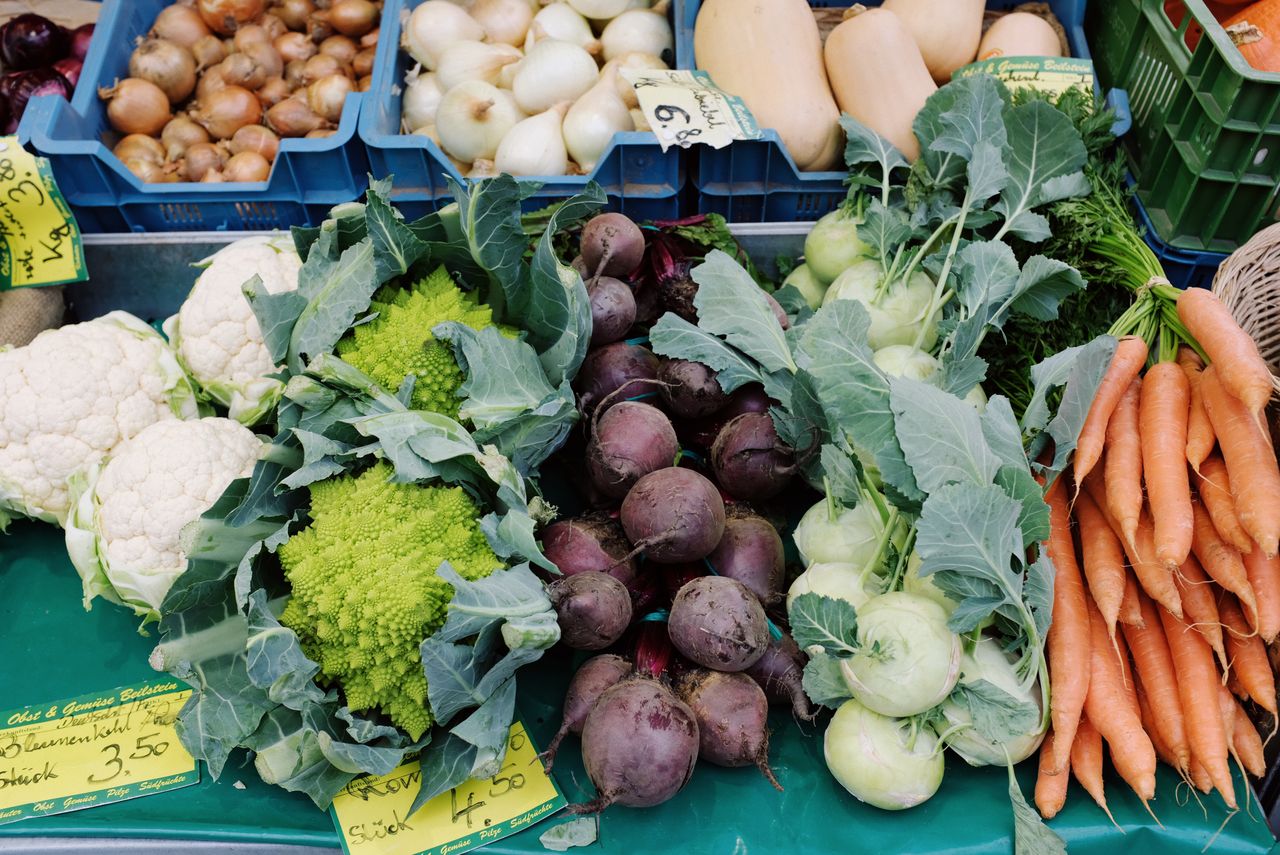
Nutrition research has long emphasized how many vegetables people should eat, but newer data is adding another measure: how many different kinds make it onto the plate. A study highlighted by King’s College London on July 29, 2025, found that variety across plant foods, including vegetables, may matter more for long-term health than many people realize.
A study of more than 670 adults points to diversity, not just volume
King’s College London said its researchers analyzed dietary data from more than 670 adults in the UK National Diet and Nutrition Survey and found that plant-food diversity was linked with better diet quality and healthier cardiometabolic markers. The study, published in Clinical Nutrition and highlighted by the university on July 29, 2025, examined not only how much plant-based food people ate but also how many distinct plant foods appeared in their diets. According to King’s, that included vegetables alongside fruits, grains, legumes, nuts, seeds, herbs, spices and plant-based beverages.
Researchers reported that current advice often focuses on quantity, such as the familiar “5-a-day” benchmark, while this analysis suggests the range of plant foods consumed may also shape health outcomes. Dr. Eirini Dimidi, a senior lecturer in nutritional sciences at King’s and the study’s senior author, said the findings indicate dietary variety across plant-based food groups may be as important as total intake for improving diet quality and lowering cardiometabolic risk. The study population was overwhelmingly omnivorous, with King’s stating that 97% of participants did not follow vegetarian or vegan diets.
That distinction matters because the research did not frame vegetable variety as a niche eating pattern. Instead, it assessed what people were already eating and compared diversity with markers tied to cardiovascular disease and type 2 diabetes risk, according to the university’s summary of the findings.
What the findings mean in the U.S., where vegetable intake remains uneven
For U.S. readers, the immediate takeaway is confirmed more by context than by a direct American trial: major federal nutrition reviews already show vegetable intake remains below recommended levels for many people, and the new evidence suggests simply increasing servings may not tell the whole story. The 2025 Dietary Guidelines Advisory Committee’s scientific report said vegetables remain an important part of healthy dietary patterns, but intake gaps persist across age groups. The King’s College London study adds that the mix of plant foods, including the spread of different vegetables, may be another factor in overall diet quality.
What is not yet known is whether the same associations would appear at the same strength in a nationally representative U.S. sample. The King’s analysis used UK survey data from 2016 to 2017, and the researchers described the work as observational rather than a clinical trial. That means the study identifies links between more diverse plant intake and better health markers, but it does not prove that adding more vegetable types alone caused those results.
Even so, the issue has practical relevance in U.S. grocery aisles and home kitchens, where repeat purchasing patterns often concentrate vegetable intake in a small number of foods. The study suggests the difference between eating vegetables regularly and eating a broader spread of vegetables may be meaningful.
Researchers say biodiversity, nutrients and gut health help explain the pattern
The underlying explanation offered by researchers centers on what different plants contribute biologically. King’s College London said the rationale for its broader plant-diversity research is that mixed plant intake exposes people to a wider range of nutrients and bioactive compounds, which can act differently in the body. That helps explain why variety may matter even among people who already eat a generally adequate amount of vegetables.
Other recent research is reinforcing that bigger picture. A 2026 paper indexed by PubMed and led by researchers connected to the World Vegetable Center said vegetables span a broader phylogenetic range than any other plant-derived food group, giving them unusual potential to diversify diets. The authors wrote that reversing vegetable biodiversity loss will require conservation, breeding, variety testing and stronger inclusion of nutrient-dense vegetables in home and school meals.
King’s has already moved beyond the 2025 observational findings into follow-up work. ClinicalTrials.gov shows the university is sponsoring the PLANTIFUL study to test how plant foods affect gut and cardiometabolic health, with gut microbiota diversity listed as a main outcome. For consumers, the evidence base is still evolving, but the direction is increasingly clear: in nutrition, the number of different vegetables eaten may matter alongside the total amount.
Нужно оформить сертификат ТР ТС на продукцию, но столкнулся с тем, что разные компании называют совершенно разные сроки, стоимость и перечень необходимых документов, а некоторые обещают выдать сертификат без испытаний и образцов. Не хочется переплачивать посредникам, но ещё опаснее получить документ, который потом окажется недействительным или вызовет проблемы при проверке и продаже товара. Как вы выбирали центр сертификации и на что обязательно нужно обратить внимание перед заключением договора? Подскажите где лучше оформить сертификат соответствия оформить сертификат соответствия