
Shoppers have long worried about hidden fees. Now New Jersey is taking aim at something more subtle: the possibility that two people could pay different prices for the same groceries based on their data.
The state’s new law is a direct shot at a pricing strategy that many consumers never see, even when it is happening right at the shelf or checkout.
What New Jersey banned, and why it matters
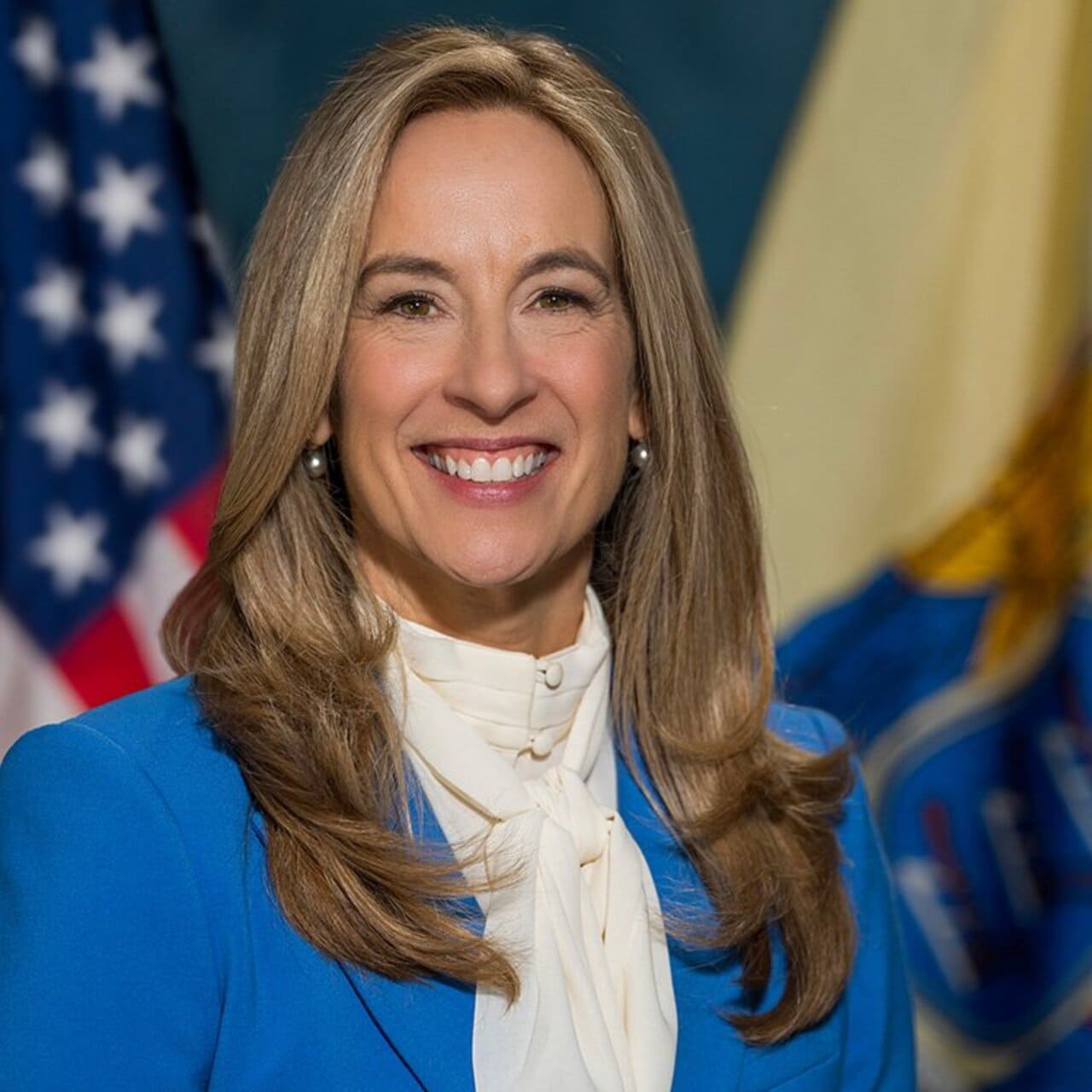
In July 2026, Governor Mikie Sherrill signed the Fair Price Protection Act, a law designed to stop retailers from using personal information to set individualized prices on groceries and other necessities. According to the governor’s office, the law bars businesses from using data such as purchase history, online activity, and location to charge different prices for identical products based on what an algorithm predicts a shopper will pay. That is the core of what critics call surveillance pricing.
The issue matters because this tactic can be almost invisible to the customer. A shopper may simply see a price on a screen, scan an item, or load an app discount without realizing the number could have been shaped by personal data rather than a broadly available sale. Consumer advocates have warned for years that digital retail tools make this kind of price discrimination easier to deploy at scale.
New Jersey lawmakers framed the practice as a fairness issue, not a ban on ordinary promotions. Legislative materials make clear that loyalty, membership, and reward programs can still exist, as long as personally identifiable information collected for those programs is not used to personalize the actual sale price of groceries. In other words, stores can still offer discounts, but they cannot secretly use your data profile to decide whether you should pay more.
The technology behind the checkout concern
The law arrives as major retailers have expanded digital tools across stores, from app-based coupons to electronic shelf labels that can update prices rapidly. Supporters of the measure argue that these systems create the infrastructure for frequent, individualized pricing changes that would have been far harder with paper tags and static signs. The concern is not just speed, but precision: software can test what different shoppers will tolerate.
Legislative documents in New Jersey specifically referenced surveillance-based price discrimination, dynamic pricing, and personalized pricing in grocery sales. That language is important because it captures more than a simple sale that changes by time of day. It targets price changes informed by surveillance data collected from consumers, a distinction that separates ordinary markdowns from data-driven pricing tailored to the individual.
The law also drew attention to electronic shelf labels. The governor’s office said the measure includes a one-year moratorium on the use of new electronic shelf labels while the New Jersey Innovation Authority studies the technology’s effects and impacts. That does not mean every digital price tag is illegal forever, but it signals deep concern that modern shelf technology could make opaque pricing easier to normalize before consumers fully understand it.
What shoppers and retailers should expect next
For consumers, the practical takeaway is simple: New Jersey is trying to preserve the idea that the posted grocery price should be the same for everyone unless a clearly defined discount applies. That could make checkout more predictable at a time when food budgets remain strained. It also gives regulators a clearer basis to challenge pricing practices that may have seemed novel or difficult to police only a few years ago.
For retailers, the new rules raise the compliance bar. Committee statements tied the measure to the state’s Consumer Fraud Act, meaning violations could carry serious legal and financial consequences. Businesses will need to separate legitimate promotions from any pricing model that relies, even in part, on personal data to alter what a shopper pays for groceries or similar food items.
More broadly, New Jersey’s move could become a template for other states. Across the country, policymakers have been cracking down on junk fees, opaque surcharges, and misleading advertised prices. This law pushes that effort into a newer frontier: not just the fees added at checkout, but the hidden logic that may determine the price before the shopper ever reaches the register.
Плановый ТО представляет собой важной процедурой для поддержания безопасности транспортного средства.
При осмотра обнаруживаются скрытые поломки, которые могут стать причиной ДТП на трассе.
Своевременное посещение ТО позволяет избежать серьёзных вложений на сложный ремонт в будущем.
Также исправный автомобиль обеспечивает безопасность водителя и окружающих на пути.
техосмотр без очереди в Санкт-Петербурге
This place feels like a real neighborhood casino but way more convenient. I love how the live dealer games stream smoothly and the staff treats every player with respect. Payouts arrive right in my account without any silly paperwork. Give mexjoycasino a try today and see how much fun real money games can be. mexjoycasino
Watching live matches has never been this entertaining. The stream quality is top notch and the odds update in real time without any delay. I love how easy it is to place quick bets while following the action. lionbettv