
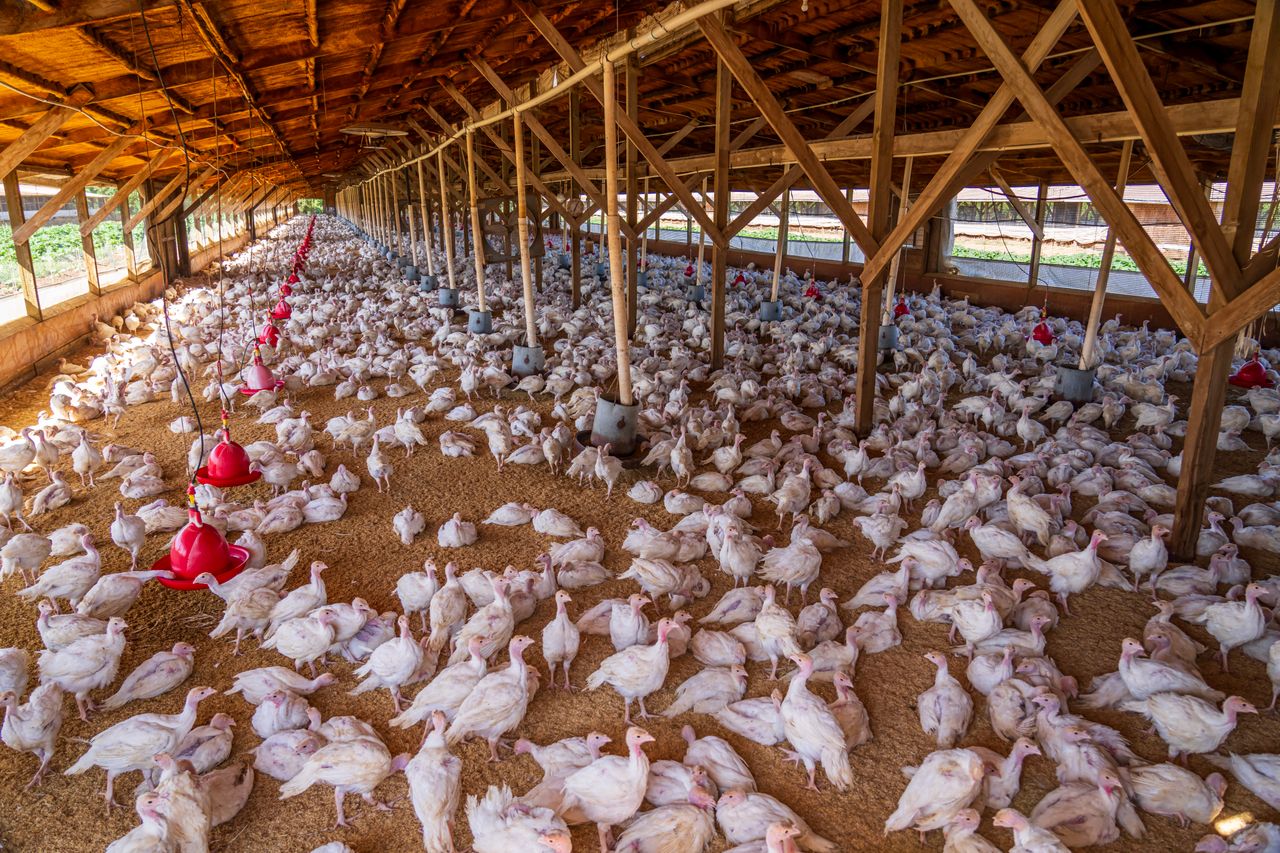
Federal poultry regulation is moving again as USDA advances another update to the standards that shape how parts of the chicken, turkey, and hatchery supply chain operate nationwide. The immediate change is procedural, not final: the U.S. Department of Agriculture’s Animal and Plant Health Inspection Service published a proposed rule on August 5, 2026, opening a limited period for public comment. For poultry growers, hatcheries, and food businesses that track supply and animal-health policy, the deadline is now set.
USDA opened a 61-day comment period on an NPIP proposed rule
The U.S. Department of Agriculture’s Animal and Plant Health Inspection Service, or APHIS, published a proposed rule tied to the National Poultry Improvement Plan on August 5, 2026, according to the Federal Register notice referenced by USDA coverage and the rulemaking materials listed by the agency. The public comment period runs for 61 days and closes October 5, 2026, giving industry groups, producers, veterinarians, and members of the public a defined window to respond before any changes are finalized.
The National Poultry Improvement Plan, known as NPIP, is a voluntary federal-state-industry program that sets standards related to poultry health. APHIS has described NPIP in separate federal materials as the primary program used to protect the health of the U.S. poultry population, and the Unified Agenda says the current proposal would amend regulations in 9 CFR parts 145, 146, and 147.
What is confirmed so far is the timing of the rulemaking and the fact that APHIS is seeking public input. What is not fully clear from the publicly summarized source material is the complete line-by-line effect of every proposed amendment, because the summary source did not reproduce the full regulatory text or an itemized practical impact list for each provision.
The impact is national, but state-by-state business effects are not yet fully mapped
Because NPIP applies across a federal-state-industry framework, any eventual changes could matter in every state where commercial poultry operations, hatcheries, breeders, or related suppliers participate in the program. That includes major poultry-producing states in the South and Midwest, but APHIS has not released a state-by-state estimate in the cited materials showing how many operations or facilities would be affected by each proposed revision.
For consumers, there is no confirmed immediate change at grocery stores or restaurants as of the proposed-rule stage. The current action opens comments; it does not itself finalize new operating requirements. The available source material also does not identify specific city-level or county-level businesses that would face immediate compliance changes, and no comprehensive list of affected local operations has been released in the referenced reporting.
That means the local effect remains largely indirect for now. Poultry businesses, hatcheries, and trade groups may review the proposal for possible cost, testing, paperwork, or operational implications, but the public record cited here does not yet quantify whether any final changes would alter poultry prices, product availability, or supply-chain timelines in one state more than another.
The proposal follows the NPIP conference process and APHIS rulemaking timeline
APHIS’ own rulemaking guidance explains why this stage matters. Under the agency’s process, a proposed rule is published in the Federal Register with an explanation of the proposal, an invitation for public comments by a set date, and supporting analysis. After that, APHIS reviews comments and decides whether to revise the proposal before issuing a final rule.
The underlying policy path also appears to be tied to recommendations from the NPIP conference structure. The Unified Agenda entry for this rule says APHIS is proposing amendments based on recommendations approved by voting delegates at the NPIP 2024 Biennial Conference. APHIS has separately described the NPIP General Conference Committee as an advisory body on poultry health that helps evaluate proposals for conference delegates.
For readers and businesses, the practical takeaway is narrow but important: this is the period when the federal record is still open. Any final rule would come later, after APHIS reviews submissions and publishes a subsequent action in the Federal Register, and APHIS says that final rules generally include responses to public comments and an effective date set after publication.