
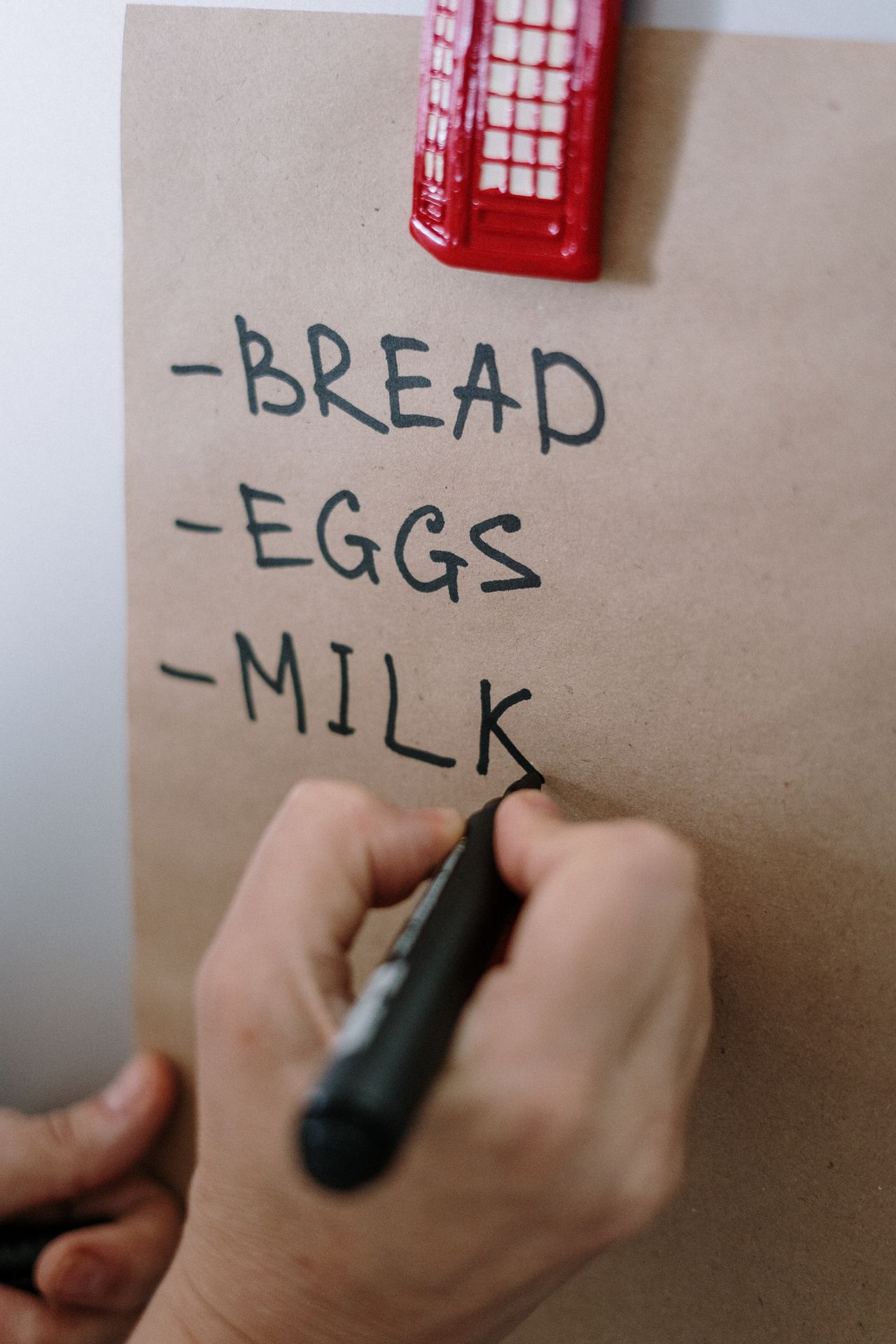
August is the sweet spot for smarter grocery shopping. Stores, farmers markets, and home cooks all benefit when late-summer abundance meets a little planning.
Buy what August is already giving you
The fastest way to make an August grocery list more efficient is to build it around produce that is naturally abundant right now. USDA seasonal guides point shoppers toward late-summer staples such as tomatoes, bell peppers, zucchini, peaches, corn, green beans, and watermelon, all of which tend to show up widely in August and September. When supply is strong, prices are often more competitive, and quality is usually better as well.
That matters in a year when grocery costs still feel elevated. The U.S. Bureau of Labor Statistics reported that food-at-home prices were up 2.7% over the 12 months ending in June 2026. Even if inflation has cooled from earlier peaks, shoppers are still seeing enough pressure at the shelf to make timing and seasonality worth paying attention to.
A practical August list, then, starts with meals that reuse overlapping ingredients. Tomatoes can become sandwiches, pasta sauce, and salad. Corn can work as a side dish one night and get folded into tacos or grain bowls the next. Peaches can cover breakfast, snacks, and dessert without requiring three separate purchases.
This is also the month to think in “fresh now, preserve later” terms. USDA guidance notes that produce frozen at peak quality keeps more of its flavor and texture than produce frozen after it has already started to decline. If a sale on corn, green beans, or berries is genuinely strong, buying a little extra for freezing can turn one good trip into meals that last well beyond August.
Compare prices the way retailers hope you will not
Efficiency is not only about what you buy. It is also about how you compare it. The Federal Trade Commission advises shoppers to use unit pricing, the shelf number showing cost per ounce, pound, or count, because package size changes can make sticker prices misleading.
That matters more than ever in center-store categories where sizes shift quietly. A cereal box, snack bag, or frozen entrée may look familiar while delivering less food for nearly the same price. Unit price cuts through that confusion quickly, and it also helps you decide when store brands are the better value and when a promoted national brand is actually competitive.
August is an especially good month to apply that logic to picnic items, grilling staples, lunchbox foods, and pantry restocks. Retailers often run overlapping seasonal and back-to-school promotions, which can create real savings but also tempt shoppers into buying duplicates. A tighter list works best: choose 1 breakfast base, 2 proteins, 3 vegetables, and a few fruit options that can cross over multiple meals.
Farmers markets can also play a role if you stay targeted. USDA says its market directory includes locations, hours, and payment information, and federal nutrition programs continue to support access in many communities. The best strategy is not to do a full replacement shop there, but to buy the few seasonal items that look best and let the supermarket handle the rest.
Store food like you planned to use every dollar
A grocery list only becomes efficient if the food survives long enough to be eaten. USDA food safety guidance warns that produce storage matters because some fruits release ethylene gas, which speeds ripening and can shorten the life of nearby vegetables. In practice, that means peaches, tomatoes, and other ripe fruit should not automatically be piled together with everything else on the counter.
Heat is another August problem. USDA food safety experts note that when temperatures rise above 90 degrees F, perishable foods have only about one hour before bacteria can multiply to unsafe levels. If your trip includes dairy, meat, cut fruit, or delicate greens, make those the last items you buy and get them home fast.
At home, divide what you bought by deadline. Use the most fragile produce first, save sturdier items for later in the week, and prep only what you know you will eat. Tomatoes that are slightly past peak can become sauce, while extra zucchini can be grilled or shredded into batter before it goes soft.
That is how an August grocery list becomes twice as efficient: buy in season, compare by unit price, and store with intention. The result is not a complicated budgeting system. It is a late-summer shopping routine that turns abundance into lower waste, better meals, and more value from every cart.