
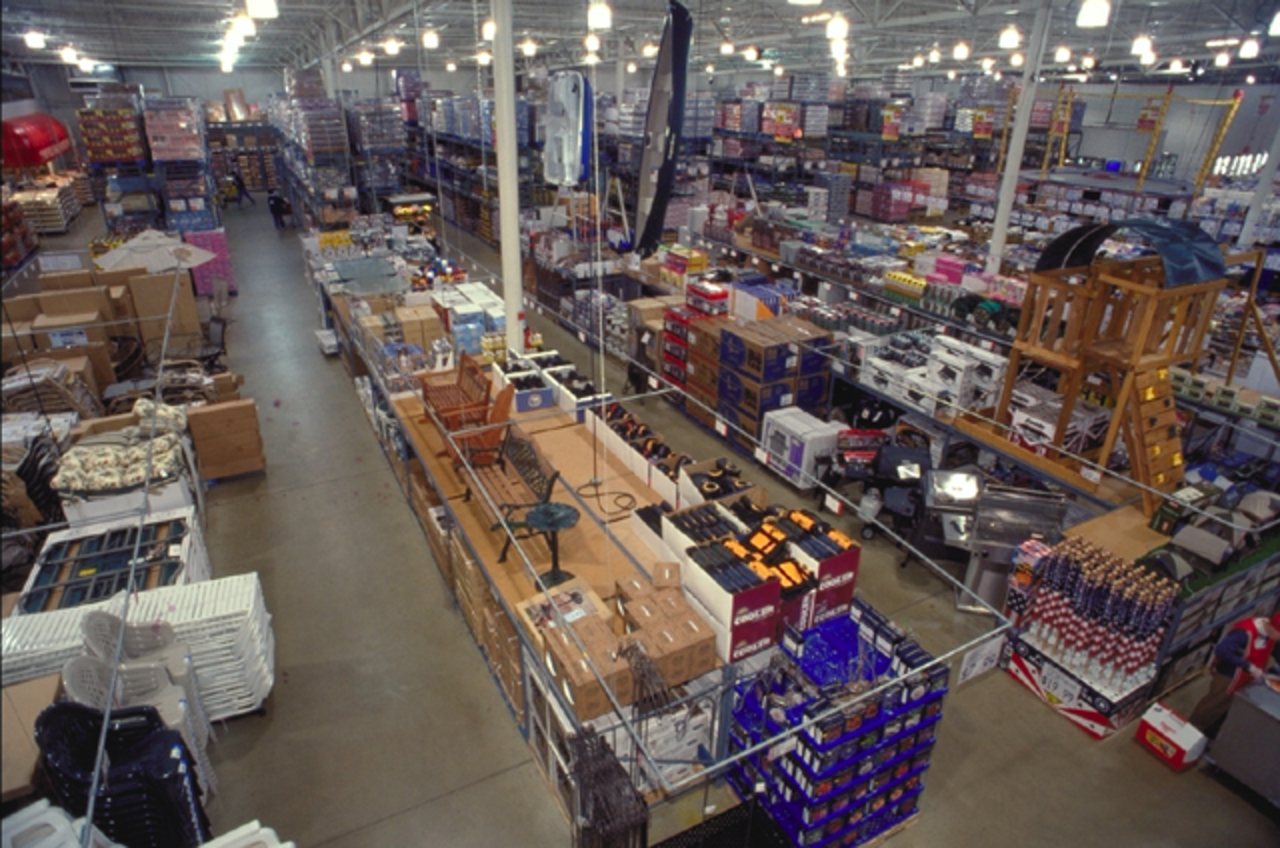
Warehouse clubs are built to make bigger carts feel smarter. And often, they are.
But some bulk buys save pennies on paper while costing real dollars at home. The trap is rarely the sticker price alone; it is spoilage, overbuying, and paying for quantity your household will never realistically use.
The bulk items most likely to erase the bargain
The first category is fresh produce, especially salad greens, berries, bananas, avocados, and large mixed-fruit packs. Warehouse clubs usually offer a lower unit price, but tender produce has a short window before texture and flavor decline. The FDA says food waste in the U.S. is estimated at 30–40 percent of the food supply, and that kind of waste often starts in home kitchens, not in stores. If a family tosses 1/3 of a giant clamshell of berries, the “deal” was never a deal.
The second weak spot is bakery and deli volume: oversized croissants, bagels, muffins, wraps, rotisserie sides, and party trays bought for ordinary weeks. These items feel affordable because the per-piece math looks excellent, yet they stale quickly or invite overeating because there is simply more around. USDA guidance stresses proper storage to maximize freshness, but freshness only matters if the household can finish the food while quality is still high. Buying 24 muffins for a two-person home is usually a waste-management problem disguised as thrift.
The third and fourth categories are bulk dairy and giant condiment containers. Shredded cheese, yogurt multipacks, sour cream tubs, half-and-half, and family-size dips can spoil before the last servings are used. The same goes for restaurant-scale mayonnaise, ketchup, salsa, and salad dressing, which often lose quality long before the container is empty. FDA guidance on date labels notes that, except for infant formula, many packaged-food dates are about quality rather than safety, but that does not make stale, separated, or flat-tasting food a good purchase.
The hidden costs behind “cheap” household staples
Frozen foods are often safer bulk bets, but they are not foolproof. Large bags of chicken breasts, shrimp, meatballs, and prepared appetizers can linger for months, gathering ice crystals and freezer burn. The USDA’s Food Safety and Inspection Service says freezer burn does not make food unsafe, but it does hurt texture and flavor, which increases the odds that food gets rejected and discarded. A bargain that no one wants to eat is still waste.
The fifth and sixth categories are snack packs and cereal-sized abundance. Multi-box crackers, chips, granola bars, and jumbo breakfast cereals seem practical for busy families, yet they quietly encourage overconsumption and staleness. Once opened, large packages lose crispness, and variety packs solve boredom by increasing the total amount of food in the house. Consumer Reports has noted that warehouse clubs often offer excellent per-unit pricing, but that advantage depends on whether you would have bought and finished the same quantity anyway.
The seventh category is duplicate pantry stock bought because it “keeps forever.” Dry pasta, rice, canned tomatoes, broth, and beans are useful staples, but overbuying ties up cash and crowds storage space. USDA and FDA guidance both emphasize that shelf-stable foods may remain safe for long periods, yet quality declines over time, and consumers often misread labels and throw items out too early. That means the loss can happen at both ends: buying too much, then discarding it because the pantry became confusing.
How smart shoppers keep the warehouse-club advantage
The simplest rule is to buy bulk only when your usage rate matches the package size. A lower unit price matters only if most of the food is actually eaten. That is why high-turn staples such as eggs for large families, paper goods, coffee, oats, and frozen vegetables usually outperform aspirational purchases like giant spring-mix tubs. Smart warehouse shopping starts with honest household math, not optimism.
Meal planning is the real savings tool. If you cannot name three meals for the produce, dairy, or protein before it goes in the cart, the purchase is already risky. The FDA recommends using storage guidance and understanding that many date labels reflect quality, not automatic spoilage. Pair that with a “first in, first out” pantry system, and bulk buys become much less likely to vanish in the back of the fridge or freezer.
The best warehouse shoppers also split purchases, portion immediately, and freeze early. Divide muffins, meat, cheese, and bread the day they come home instead of waiting for them to decline. According to USDA consumer guidance, the average American family of four loses about $1,500 a year to uneaten food, which shows why waste prevention matters as much as price comparison. The real victory at a warehouse club is not buying more for less; it is buying enough, using all of it, and throwing away almost nothing.