
National grocery chains are still dealing with demand spikes driven by social media, limited-run products, and shoppers who move quickly when a snack or frozen item goes viral. At Trader Joe’s, that broad retail pattern has turned into a specific complaint from former workers who say some customers are making routine store operations harder by emptying shelves of a single item. The issue surfaced in recent July 2026 coverage built around former employees’ accounts of what they say is one of the most disruptive shopping habits in the chain’s stores.
Former workers say the problem is bulk-buying straight from the sales floor

The most specific complaint is simple: former Trader Joe’s workers say shoppers should stop clearing entire shelf displays when buying in bulk, according to a Grocery Coupon Guide report distributed by NewsBreak and highlighted again by Parade on July 20, 2026. Those reports said ex-employees described customers taking whole rows, boxes, or displays of viral products at once, especially after social media posts send sudden traffic into stores. Parade reported that the behavior is frustrating in part because Trader Joe’s locations typically cannot replace those items immediately.
The scale matters because Trader Joe’s is a large national grocer. Publicly available company data and recent reporting indicate the chain operates hundreds of U.S. stores and employs tens of thousands of crew members, which means even a recurring etiquette problem can affect daily operations across many markets. Trader Joe’s has also said through its own podcast transcripts that shoppers should ask crew members questions in-store, underscoring that staff interaction is part of how the chain handles product information and availability.
Former workers’ advice, as summarized in the recent reports, is to speak directly with store staff if a larger quantity is needed. The cited guidance says crew members can often help arrange case orders for nonperishable items instead of having customers remove all publicly displayed stock at once. Neither report identified a companywide new policy change, and Trader Joe’s has not announced a national limit tied to this specific complaint.
What shoppers in local stores can confirm, and what remains store-specific
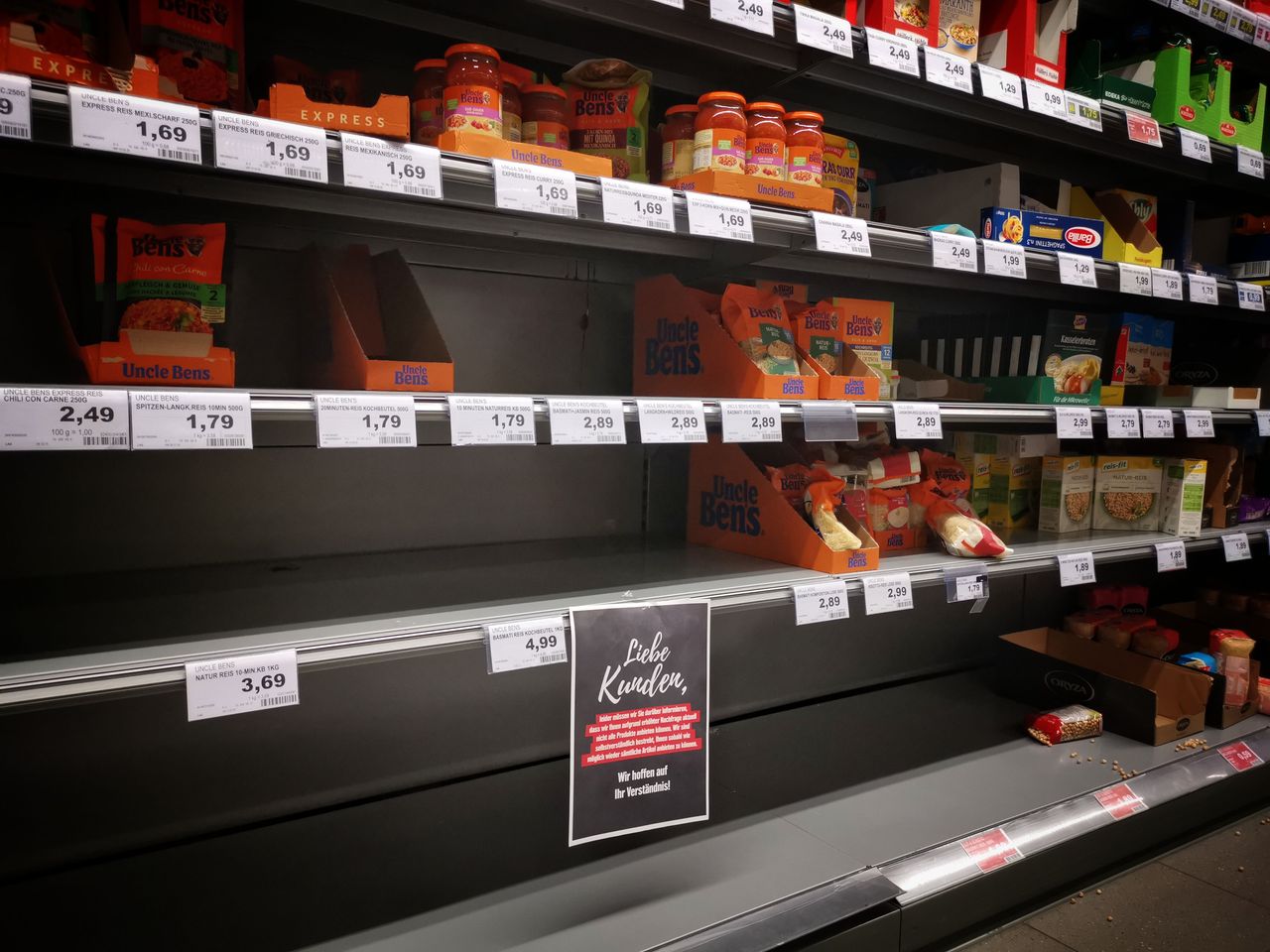
For shoppers in any given city, the visible impact is usually an empty display, not a formal notice. The recent reports say workers often have to explain shortages to disappointed customers after one buyer removes a large share of available stock, and that timing can be especially difficult when the product is already in high demand because of a viral video or seasonal popularity. In practical terms, that means a local store may look sold out even when the issue is not a discontinuation.
What is confirmed is that Trader Joe’s operates with intentionally smaller stores than many traditional supermarkets. Company podcast materials and industry analyses have described the chain’s smaller footprint as a deliberate operating choice, while outside analyses have long noted its more limited assortment compared with conventional grocers. That model helps define the shopping experience, but it also leaves less room for large backroom inventories when demand suddenly jumps.
What is not publicly known on a store-by-store basis is how often bulk shelf-clearing occurs in specific U.S. cities or which locations see it most. Trader Joe’s has not released a comprehensive local breakdown of stores most affected by viral-product buying, and the recent consumer-facing reports rely on former employee accounts rather than a published company inventory dataset. That means shoppers may recognize the pattern locally without having a confirmed city-level tally.
The broader context is Trader Joe’s small-format inventory model

The underlying reason cited across the recent coverage is operations. Parade, citing former worker explanations, said Trader Joe’s limited storage space and frequent but relatively small deliveries make it harder to replenish a wiped-out shelf quickly. That aligns with long-running descriptions of the chain’s small-format model, including company materials emphasizing intentionally smaller stores and outside retail analyses describing a limited-SKU approach designed for fast turnover rather than deep stock on hand.
Industry observers have for years pointed to Trader Joe’s unusually lean assortment. Harvard Business School platform analyses have described the chain as carrying only a fraction of the items found in a conventional supermarket, and other retail commentary has noted that smaller footprints reduce room for large stock reserves. In that kind of system, sudden demand spikes from viral snacks or frozen foods can create outsized disruption because the shelf inventory is a larger share of the immediately available supply.
For customers, the takeaway is practical rather than policy-driven. Recent coverage says shoppers who need larger quantities may have better results by asking crew members whether a case can be ordered, instead of pulling all available stock from the floor. Trader Joe’s has not announced a broad new enforcement campaign tied to this issue, but the reporting suggests store-level communication remains the most reliable way to find out whether more product is available or can be brought in on a future delivery.