
Heart disease remains the leading cause of death for women in the United States, and nutrition researchers continue to focus on whether practical eating changes can reduce long-term risk. New findings presented this weekend in the Washington area point to one relatively simple shift: moving toward a more plant-forward diet. The study was presented July 25 at NUTRITION 2026 in National Harbor, Maryland, just outside Washington, D.C.
Researchers link higher Planetary Health Diet scores to lower heart risk
The study, led by University of California, Irvine doctoral student Donya Shahamati, analyzed data from 66,892 postmenopausal women in the Women’s Health Initiative, a long-running national study funded by the National Heart, Lung and Blood Institute. According to the American Society for Nutrition’s meeting materials and a EurekAlert release issued July 25, the women were free of cardiovascular disease at the start of the study period, which began between 1994 and 1998, and were followed for about 20 years. Researchers used baseline food frequency questionnaires to calculate a Planetary Health Diet Index score for each participant.
Women whose diets most closely matched the Planetary Health Diet had about a 28% lower risk of overall cardiovascular disease than women in the lowest-adherence group, according to the research summary. The same higher-adherence group also showed lower risks for coronary heart disease, stroke, and heart failure. Researchers said the association was not limited to those with the very highest scores, because even moderate adherence was linked with lower risk.
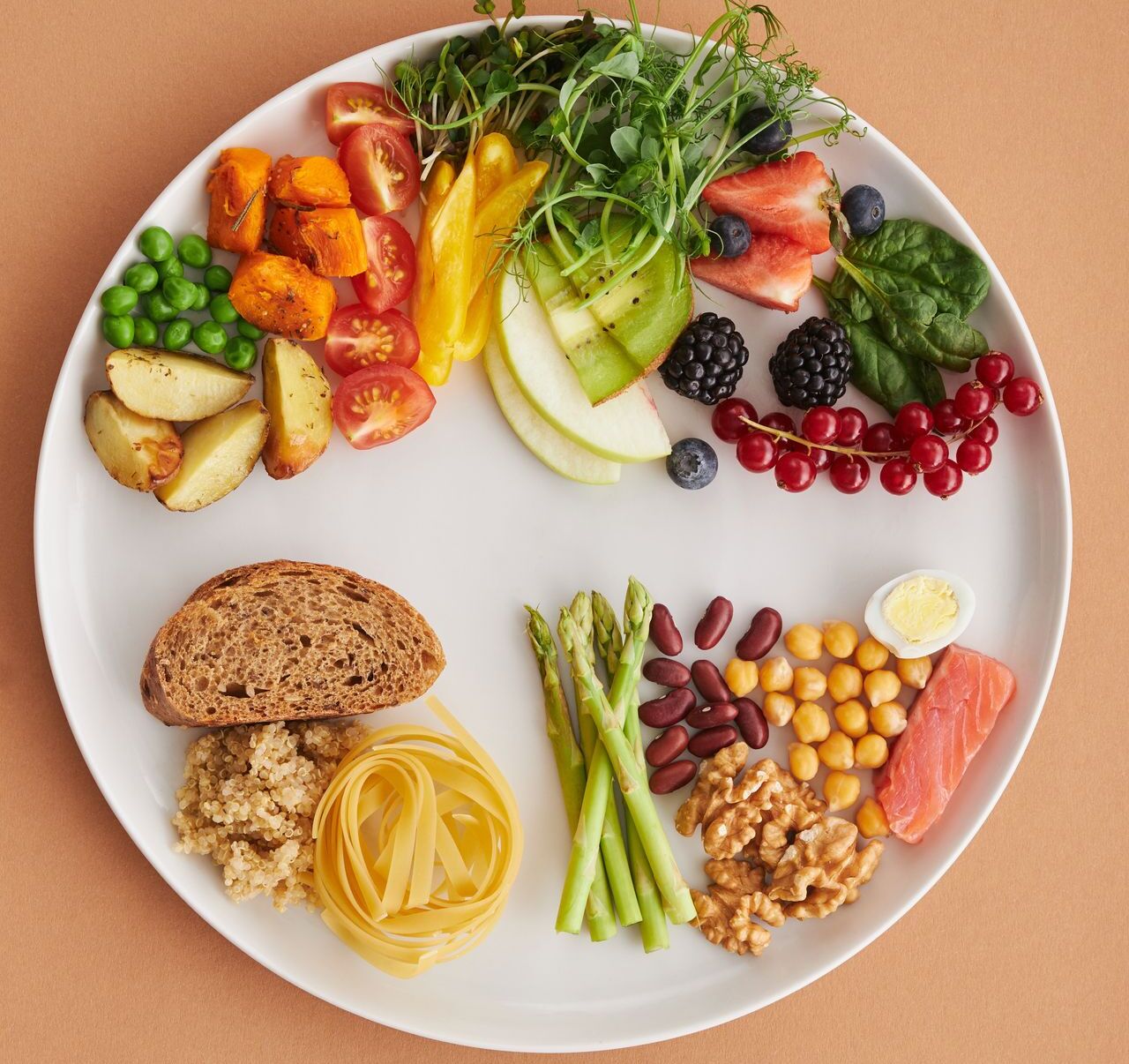
The Planetary Health Diet emphasizes fruits, vegetables, whole grains, legumes, nuts, and unsaturated fats, while limiting red and processed meat, added sugars, refined grains, and saturated fats. Shahamati said the findings suggest people may not need a highly restrictive eating pattern to see possible heart-health benefits. She also said each 10-point increase in the diet index score was associated with additional risk reduction.
What the Maryland presentation confirms, and what it does not
The findings were presented Saturday, July 25, during the Climate, Food Systems, Diet, Nutrition and Health Poster Session at the Gaylord National Resort & Convention Center in National Harbor, according to the meeting listing. That gives the research a specific local tie to Maryland, even though the study population itself was national rather than state-based. The American Society for Nutrition has said NUTRITION 2026 runs from July 25 through July 28 in National Harbor.
What is confirmed is the scale of the analysis, the broad direction of the results, and the foods included in the diet pattern. What is not yet known is whether the same level of benefit would appear in men, younger women, or more geographically specific populations, because the presentation focused on postmenopausal women in the Women’s Health Initiative. The researchers also have not released a Maryland-specific breakdown of participants or outcomes.
Another important limitation is that the work was presented as a conference abstract and has not yet undergone the full peer-review process required for journal publication, according to the EurekAlert release. The release also states that observational research cannot prove that the diet directly caused the lower cardiovascular risk. That means the findings add to diet-and-heart evidence, but they do not establish cause and effect on their own.
Why the findings matter for readers watching heart health
Researchers framed the study around a practical question: whether small improvements in diet quality can matter for older women, whose cardiovascular risk tends to increase after menopause. Shahamati said the results are notable because moderate adherence, not just near-perfect adherence, was associated with lower risk. That makes the study relevant to readers who are more likely to make incremental changes than adopt a strict eating plan all at once.
The examples cited by the research team were specific and familiar: filling half the plate with vegetables more often, using avocado or olive oil instead of butter, choosing oatmeal or whole-grain cereal for breakfast, and trying one meatless meal each week. Those changes align with the Planetary Health Diet pattern described in the study materials. The broader message from the presentation is that heart-health strategies may be built through repeated food choices rather than a single overhaul.
The American Society for Nutrition said the research team is continuing to study diet quality and healthy aging in older adult populations. Until a peer-reviewed paper is published, the July 25 presentation stands as an early but closely watched piece of evidence from one of the field’s major annual meetings.