
Heart advice often sounds repetitive until you notice what keeps repeating. Again and again, cardiologists come back to a short list of foods that quietly do the most work.
What surprises many people is not the foods themselves, but why they matter. Their power is less about one miracle nutrient and more about how they replace salt-heavy, sugar-heavy, and saturated-fat-heavy choices across an entire diet.
Why these six foods keep rising to the top
Ask preventive cardiologists or dietitians to name reliable heart foods, and six categories appear constantly: beans and lentils, berries, dark leafy greens, nuts, extra-virgin olive oil, and fatty fish such as salmon or sardines. The American Heart Association, Mayo Clinic, and Cleveland Clinic all emphasize versions of this lineup because it fits the broader eating patterns linked with lower cardiovascular risk. These foods also show up naturally in Mediterranean-style and DASH-style eating plans, two of the most consistently recommended approaches for blood pressure and long-term heart protection.
The reason may surprise people who expect a single nutrient story. These foods help partly because of what they bring, including fiber, unsaturated fats, potassium, antioxidants, and omega-3 fatty acids. But they also help because of what they often push out of the diet: processed meats, refined snacks, butter-heavy meals, and sugary desserts.
That substitution effect matters. Mayo Clinic notes that legumes can replace higher-fat animal proteins while increasing fiber intake, and the American Heart Association recommends shifting protein choices toward beans, peas, lentils, nuts, and fish. In other words, cardiologists are not just praising foods in isolation. They are favoring ingredients that improve the whole plate.
What each food actually does inside a heart-healthy diet
Beans and lentils are inexpensive, filling, and remarkably effective in everyday meal planning. They provide plant protein and fiber without cholesterol, making them an easy stand-in for processed or fatty meats. That swap can reduce saturated fat intake while helping with cholesterol control and steadier blood sugar, two issues that often travel with heart disease risk.
Berries and leafy greens work differently but just as strategically. Cleveland Clinic highlights berries for their antioxidant and fiber content, while dark greens contribute potassium, fiber, and a dense package of micronutrients. For people trying to lower blood pressure, these foods support a pattern that naturally contains more produce and fewer ultra-processed sides.
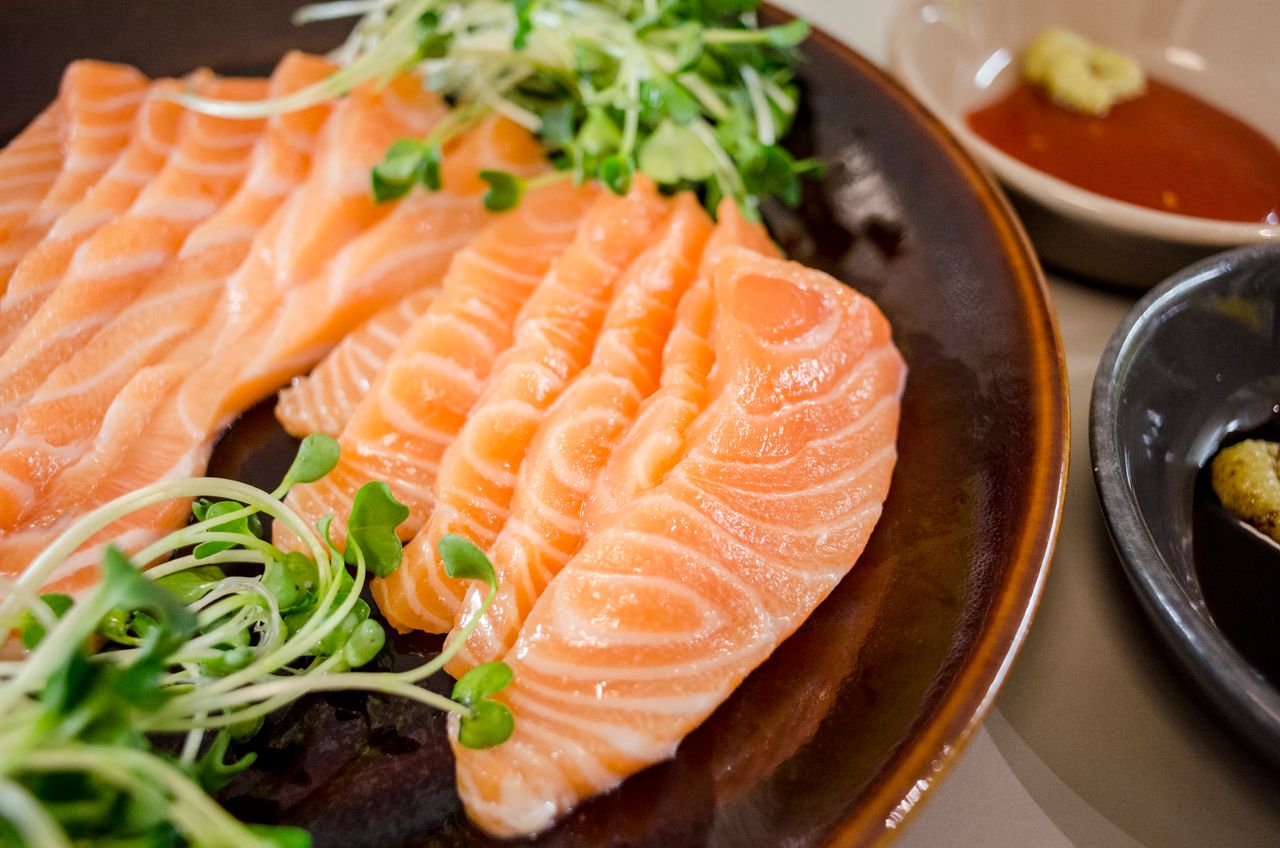
Nuts, olive oil, and fatty fish round out the list by improving fat quality rather than simply lowering fat overall. The American Heart Association recommends unsaturated fats in place of saturated fats, and foods like walnuts, almonds, olive oil, salmon, herring, and sardines fit that model well. In the large PREDIMED trial published in The New England Journal of Medicine, people assigned to a Mediterranean diet supplemented with extra-virgin olive oil or nuts had fewer major cardiovascular events than those advised to follow a lower-fat control diet.
The real lesson cardiologists want people to understand
The bigger message is that heart health is built through patterns, not perfection. No cardiologist expects blueberries or salmon to cancel out a diet dominated by sodium, refined grains, and heavily processed foods. These six foods matter because they make a protective pattern easier to repeat at breakfast, lunch, dinner, and snacks.
That is why experts keep recommending practical meals instead of dramatic detoxes. A bowl of lentil soup, greens dressed with olive oil, yogurt topped with berries and nuts, or salmon with beans and vegetables does more than add nutrients. It creates meals with better satiety, better fat balance, and fewer of the ingredients that tend to raise LDL cholesterol or blood pressure.
There is also a real-world reason this advice endures: it is sustainable. These foods are widely available, flexible across cuisines, and easy to use in small daily upgrades. Cardiologists keep pointing to them because the best heart foods are not the most glamorous ones. They are the foods people can come back to often enough for the benefit to compound.