
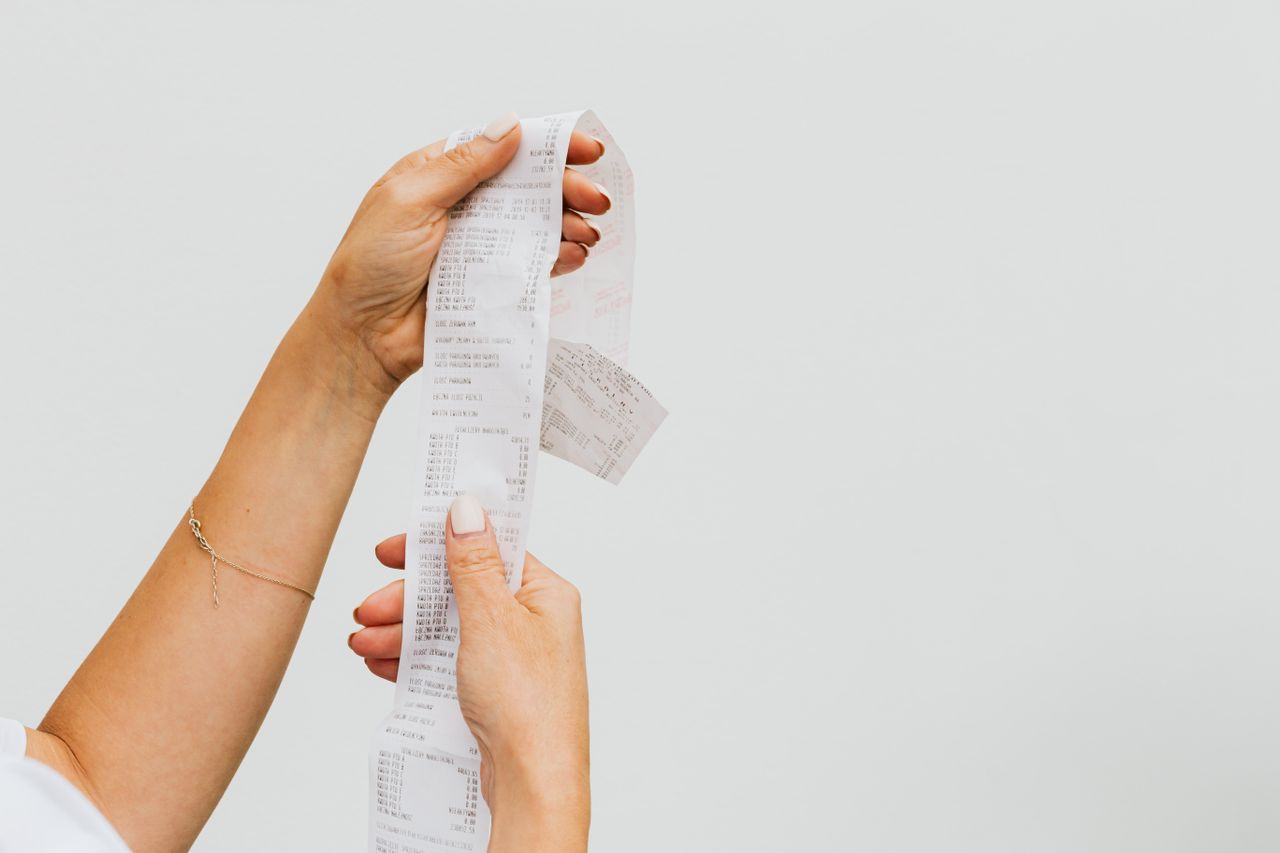
Fresh produce is once again putting pressure on the household grocery bill. The increase is visible at checkout, but the story starts long before fruits and vegetables reach store shelves.
Why produce prices are moving higher again
The latest federal data shows the pressure is real. The Bureau of Labor Statistics reported that processed fruits and vegetables rose 0.6 percent in June 2026, while USDA data also showed retail fresh vegetable prices jumped 3.1 percent from March to April after a 0.9 percent rise the month before. That is not a one-week blip. It points to a market where costs are building in layers and then passing through to consumers.
Weather remains one of the biggest drivers. According to the FAO, agricultural markets in 2026 are facing higher risk from El Niño-linked weather disruptions, shipping strain, and volatile energy and fertilizer costs. Produce is especially vulnerable because many crops are highly perishable, labor-intensive, and sensitive to heat, water stress, and storm damage. A bad growing stretch can quickly tighten supply and push prices up within days.
Labor and transportation are adding to the squeeze. Fresh fruits and vegetables require harvesting, sorting, cooling, packing, and fast delivery, which means higher wages and fuel costs ripple through the system quickly. USDA’s farm-to-consumer pricing research has long shown that even when farm values move modestly, retail prices can rise more sharply once transportation, handling, and merchandising costs are layered in.
The result is uneven sticker shock. Tomatoes, lettuce, berries, citrus, and other highly seasonal items can spike much faster than pantry staples. That is why shoppers often feel produce inflation more intensely, even when broader food inflation looks moderate on paper.
What it means for household budgets and eating habits
For families, higher produce prices create a difficult tradeoff. Nutrition guidance from USDA still recommends roughly 2 cups of fruit and 2.5 cups of vegetables a day on a 2,000-calorie diet, yet those targets become harder to reach when fresh items rise faster than other groceries. Households do not usually stop buying produce entirely. Instead, they begin substituting, stretching, and delaying purchases.
That shift shows up in shopping behavior. Consumers tend to move from berries to bananas, from bagged salad kits to whole heads of lettuce, and from fresh green beans to frozen vegetables when prices climb. USDA pricing data underscores why: many fruit and vegetable choices remain relatively affordable per cup equivalent, but shoppers need to be more selective about which forms and varieties they buy.
There is also a quality effect. When retailers face tighter supply and higher spoilage risk, displays may look less abundant, and shoppers become more cautious about paying premium prices for produce that may not last the week. That can increase food waste at home, which makes the real cost of expensive produce even higher than the shelf tag suggests.
Lower-income households feel this most acutely. Produce is one of the first categories where people “trade down,” not because they do not value it, but because it is one of the easiest line items to cut or replace when weekly budgets get tight.
The bigger picture for farms, retailers, and the months ahead
Rising produce prices are not automatically good news for farmers. In many cases, growers are dealing with their own cost inflation in fertilizer, water, packaging, labor, and financing. USDA agricultural price reports show higher prices in several fruit, tree nut, vegetable, and melon categories in recent months, but that does not guarantee wider profit margins. A grower can receive more for a crop and still come out behind if production costs rose faster.
Retailers face a balancing act as well. Grocery chains know shoppers compare produce prices closely because those items are visible, frequently purchased, and emotionally tied to value. Stores may absorb some increases temporarily, promote in-season items more aggressively, or expand frozen and private-label alternatives to protect traffic and basket size.
Looking ahead, produce prices will likely remain volatile rather than uniformly high. USDA’s broader food outlook does not point to runaway inflation across every category, but fresh vegetables and fruit remain exposed to weather shocks and supply chain disruptions. That means consumers should expect more frequent swings, not a straight line up or down.
In practical terms, the smartest response is flexibility. Buying in season, comparing fresh with frozen and canned, and planning meals around lower-cost produce can soften the blow. When produce prices climb fast, the impact reaches far beyond salad and fruit bowls; it changes how the entire food economy works.
Hello! I know this is kind of off topic but I was wondering which blog platform are you
using for this website? I’m getting sick and tired of WordPress because I’ve had issues with hackers and I’m
looking at alternatives for another platform. I would
be awesome if you could point me in the direction of a good platform.
by Onlyxvids.com