
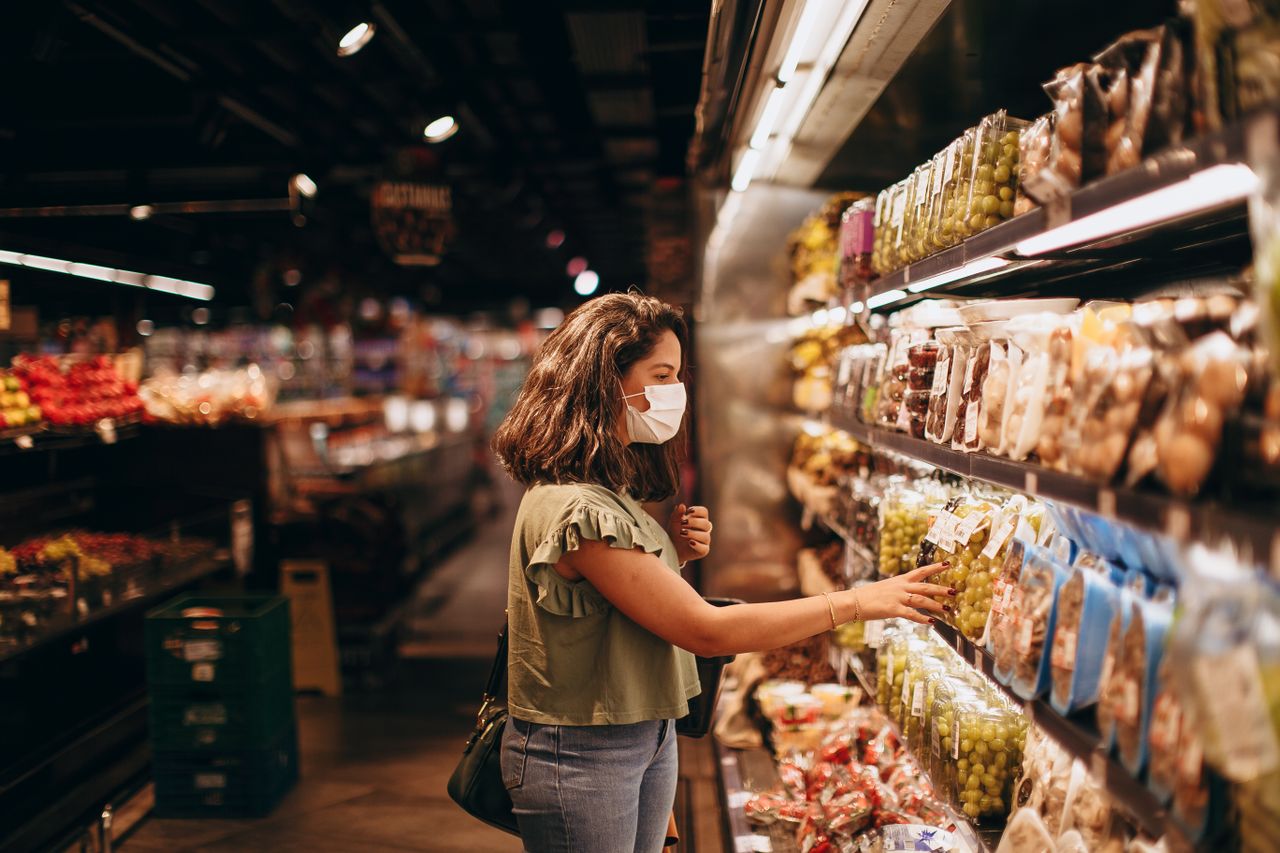
The nickname sounds alarming. The day-to-day reality is more familiar.
A new Omicron offshoot called BA.3.2, widely nicknamed “Cicada,” is being watched by scientists because it appears better at dodging some existing immune defenses. But for most people, the bigger question is not the lab data. It is whether a routine grocery run should change.
Why the “Cicada” variant is getting attention
Cicada is the informal name for BA.3.2, a SARS-CoV-2 lineage that resurfaced after earlier limited appearances, which is how it picked up its insect-inspired label. According to the CDC’s March 19, 2026 MMWR, the variant was tracked worldwide from November 2024 through February 2026 and identified through traveler samples, aircraft wastewater, patient testing, and community wastewater surveillance. That broad detection footprint is one reason experts took notice.
The second reason is its mutation profile. Scientific American, citing the CDC report and outside virologists, noted that BA.3.2 carried a striking number of spike-protein changes compared with recent strains, raising concern that prior infection or older vaccine-induced antibodies may recognize it less efficiently. That does not automatically mean it causes more severe disease, but it can make a variant worth closer monitoring.
Just as important, the available evidence has been more reassuring than the nickname-heavy coverage might imply. The WHO’s initial risk evaluation for BA.3.2 in December 2025 said the variant had not shown a sustained growth advantage over other circulating lineages and that there was no evidence of increased severity, hospitalizations, or deaths compared with other Omicron descendants. In other words, scientists are watching it carefully, but public health agencies have not treated it as a sign of a fundamentally new phase of the pandemic.
What this means when you shop for groceries
For grocery shoppers, Cicada does not change the core risk equation as much as crowded indoor air does. A supermarket remains a relatively brief, shared indoor environment where exposure risk rises when virus activity is higher locally, aisles are packed, and ventilation is mediocre. The CDC’s respiratory virus surveillance pages continue to emphasize that COVID activity can climb outside the traditional winter pattern, including during summer.
That matters because grocery stores combine close passing contact with high-touch surfaces and unpredictable crowding. Still, experts generally view inhalation in busy indoor settings as the primary concern, not touching a cereal box or produce bag. A faster trip at off-peak hours, good store airflow, and staying home when sick do more to cut risk than obsessing over every package you place in your cart.
Masks remain a practical tool for people who want an extra layer of protection, especially older adults, immunocompromised shoppers, and anyone heading into a store during a local uptick. If you are shopping for a vulnerable family member, choosing early-morning hours, using curbside pickup, or consolidating trips can meaningfully reduce exposure. The grocery trip itself is not uniquely dangerous; it simply reflects the same commonsense respiratory precautions that apply to pharmacies, airports, and public transit.
The smart, not panicked, way to respond
The most useful response to Cicada is not fear. It is updating your habits in proportion to your personal risk and the level of virus spread around you.
Vaccination still matters, particularly for preventing severe illness. While BA.3.2 raised questions about immune escape, the FDA’s vaccine advisers recommended that the 2026-2027 U.S. COVID vaccine formula target the JN.1-lineage XFG strain, reflecting the broader variants now dominating circulation rather than a pivot specifically to Cicada. That tells consumers something important: public health officials are responding to the full variant landscape, not treating BA.3.2 as the only threat.
For everyday shoppers, the checklist is straightforward: avoid the store if you feel sick, consider a high-quality mask in crowded indoor settings, wash hands after the trip and before eating, and use pickup or delivery if someone in your household is medically fragile. The headlines may focus on the name. Your grocery strategy should focus on timing, ventilation, and protecting the people at highest risk.