
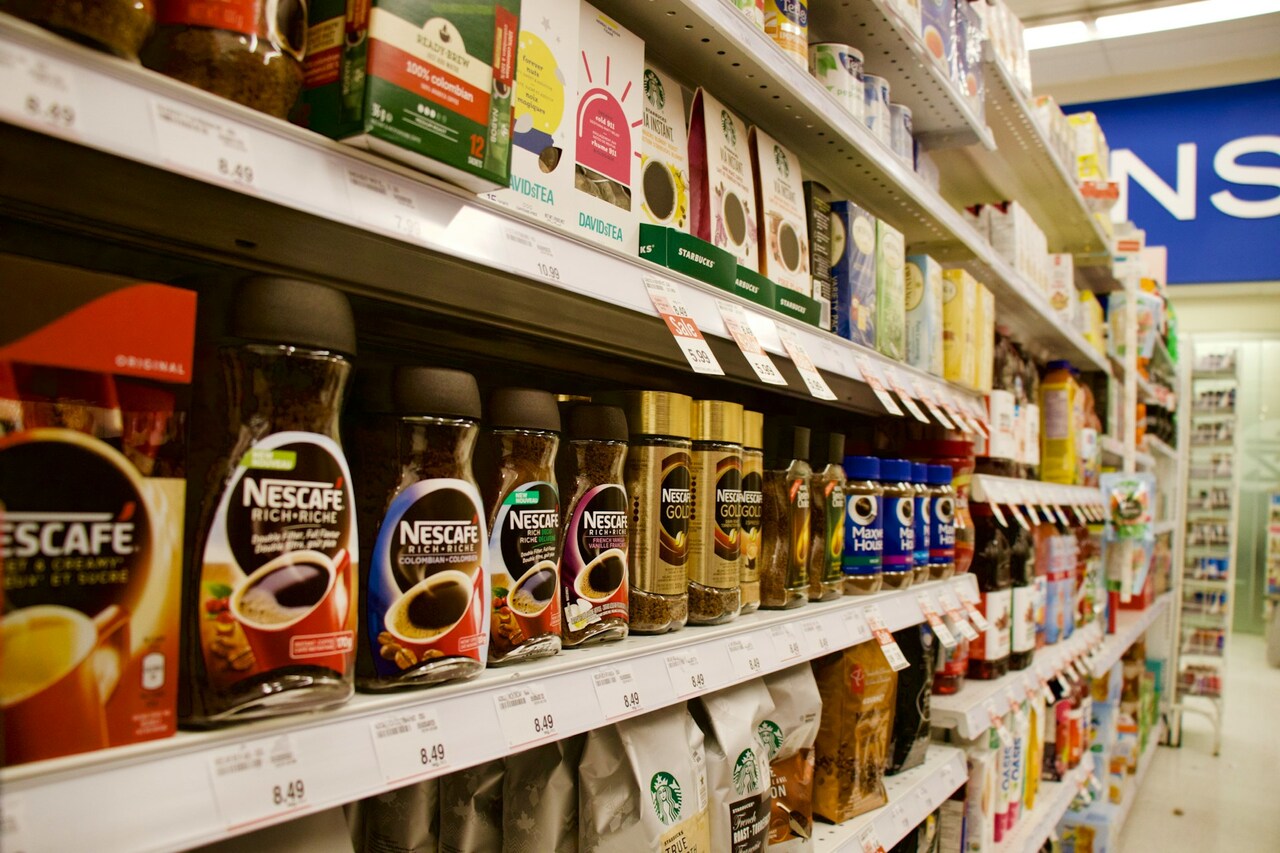
Across the U.S., retailers have been adding locked cases, security barriers and other anti-theft measures to more everyday merchandise as inventory losses remain a persistent problem. In grocery aisles, that trend is increasingly showing up around higher-priced staples such as premium cheese and packaged coffee.
Retailers are putting more everyday grocery items behind barriers
Supermarkets and other retailers are using locked cases to protect merchandise that is relatively small, easy to carry and expensive enough to resell, according to industry groups and retail reporting. The National Retail Federation said in a June 9, 2025 consumer safety update that organized retail crime remains a growing challenge for retailers nationwide, while its 2025 theft study said more than half of retailers surveyed reported increases in shoplifting and merchandise theft tied to organized retail crime groups over the previous 12 months.
The same trade group said retailers are responding with measures that include locking cases, cameras and store layout changes. That broader trend has already been visible across the retail sector for several years. Associated Press reported in February 2023 that Target confirmed it was locking up more products, and AP said retailers were increasingly relying on secured displays as a quick way to limit theft in stores.
The practical effect for shoppers is straightforward: items that once sat on open shelves now require staff assistance. While chains have not released a national count of grocery locations where cheese or coffee are being locked up, the pattern fits a wider retail security shift that industry groups say is being driven by repeat theft, resale activity and the cost of inventory loss.
The impact is national, but store-by-store details remain limited
The lock-up trend is not confined to one city or one state. Retail groups describe organized retail crime as a national issue that crosses state lines, and NRF said in 2025 that 66% of surveyed retailers reported transnational organized retail crime involvement in thefts against their companies since 2024. That helps explain why anti-theft measures are appearing in different formats across the country, including in food, drug and big-box stores.
What is confirmed is the broader practice, not a comprehensive map of every affected grocery aisle. Retailers and supermarket chains generally have not released full public lists of which specific stores are placing coffee, cheese or other food items behind locked glass. In many cases, those decisions are handled by region, store format or even individual location based on shrink data and loss-prevention reviews.
That means shoppers may see one store in a metro area keep products on open shelves while another nearby location places them behind a barrier. Industry reporting suggests the variation depends on theft patterns, staffing and local operating conditions, not a single nationwide rule applied uniformly to every supermarket.
Thin margins, theft losses and customer friction are all part of the equation
The reason retailers are making this choice comes down to a difficult math problem. FMI, the Food Industry Association, said food retail profit margins settled at 1.7% in its 2025 industry report, underscoring how little room grocers have to absorb repeated inventory losses. FMI has also said the grocery business operates on slim margins, which makes asset protection a meaningful operational issue rather than a minor inconvenience.
At the same time, locking up products creates its own downside. Associated Press reported that Joe Budano, chief executive of security technology company Indyme, said locked items can reduce sales by 15% to 25%. In other words, retailers risk losing purchases from honest customers even as they try to stop theft.
For shoppers, the likely near-term reality is more inconsistency in how routine food purchases are handled. Some stores may steer customers toward pickup and online ordering as grocery e-commerce grows, while others keep adding selective barriers in higher-risk aisles. FMI said in April 2026 that online grocery sales drove nearly 75% of total grocery dollar growth in 2025, a sign that convenience is becoming more important as stores balance security with customer access.