
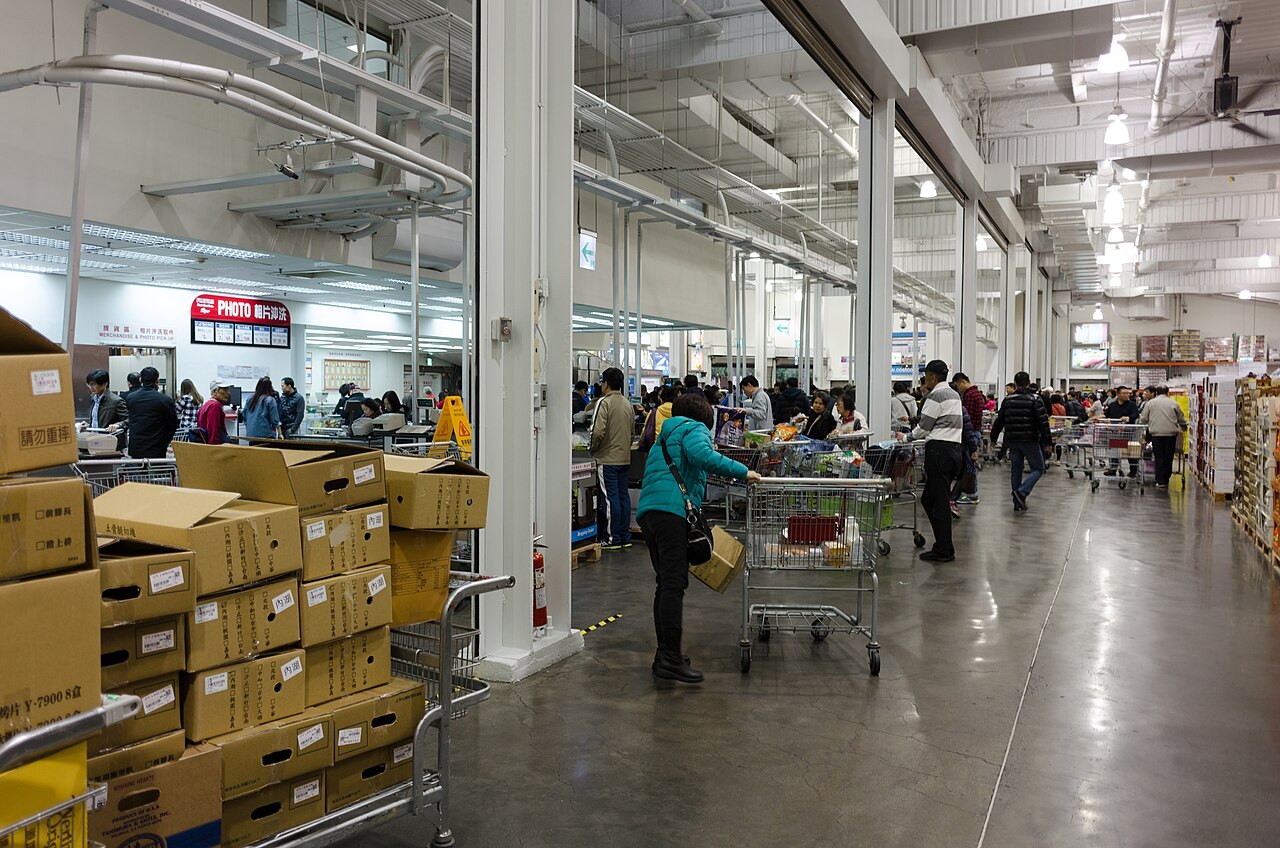
The Costco run still feels like a smart financial move. But more shoppers are learning that a low warehouse price and a true bargain are not always the same thing.
That shift is less about turning on Costco and more about buying with clearer eyes. In a food economy shaped by elevated prices and tighter household budgets, value now means what you actually use, not just what looks cheap in giant packaging.
Bulk only works when your household can finish it
The biggest trap at Costco is not the sticker price. It is the assumption that a larger package automatically lowers the real cost of eating it. That logic breaks down fast with produce, bagged salads, berries, giant tubs of dips, oversized bakery packs, and family-scale condiments that expire long before smaller households can use them up.
That matters more than ever because food waste carries a real household cost. The EPA says about one-third of food in the United States goes uneaten, and its research estimates the cost of food waste at $728 per person per year, or $2,913 for a household of four. The agency also says food is a major share of what ends up in landfills, which means overbuying is not just a budget leak but a waste problem with environmental consequences.
In practice, the “deal” disappears when half a clamshell of berries turns soft, a two-pack of hummus goes fuzzy, or a value-size spring mix becomes sludge in the crisper. Costco’s fresh department can be excellent for large families, shared households, and heavy meal-preppers. For singles, couples, and anyone with unpredictable schedules, the better buy is often the smaller pack from a conventional grocer, even at a higher shelf price.
Some warehouse staples look cheap until you check the full cost
A second category of regret is the item that seems inexpensive in-store but becomes less compelling once shoppers factor in storage, duplication, and slower consumption. Giant boxes of snack packs, industrial-size cereal, bulk nuts, multipacks of chips, and restaurant-scale spices often sit in pantries long enough to go stale, lose flavor, or simply get ignored after the novelty wears off.
Spices are a particularly revealing example. Even when the price per ounce looks impressive, most home cooks do not use large containers quickly enough to justify them. Consumer Reports has also drawn attention to quality and safety concerns in parts of the spice market, reminding shoppers that “more” is not always synonymous with “better.” In other words, a huge jar of seasoning is only a deal if it stays fresh and gets used consistently.
The same rethink applies to memberships themselves. Costco’s Executive Membership costs $130 a year, compared with $65 for the standard Gold Star level, and the 2% reward applies only to qualified purchases. For households that do not spend enough to offset the upgrade, the higher tier can feel like a savings strategy that never fully pays back.
Today’s smarter shopper is chasing usable value, not bragging-rights value
This change in attitude fits a broader grocery trend. NielsenIQ reported in 2024 and 2025 that consumers remain highly value-focused, are buying more private label, and are increasingly shifting spending toward retailers and formats that stretch dollars in practical ways. Shoppers are not abandoning bulk buying, but they are becoming more skeptical of purchases that create clutter, duplication, or waste.
That is why some of Costco’s most celebrated buys are now under quiet review. Giant condiment bottles, freezer meals bought in excessive quantity, bulk sweets, novelty bakery trays, and massive snack assortments may still work for parties, big families, or frequent entertainers. For everyday life, though, many shoppers are realizing those purchases were aspirational bargains, not actual household wins.
The lesson is not that Costco lacks value. It is that the best Costco purchases tend to be durable essentials, high-turn household goods, and reliably used pantry basics rather than oversized versions of items people only consume occasionally. The savviest warehouse shoppers now treat bulk as a tool, not a philosophy, and that mindset is what separates a true deal from an expensive illusion.