
Owning an exotic pet sounds thrilling, but legality is only the beginning. The real question is whether an unusual animal can be housed, fed, and handled responsibly for years.
In the United States, exotic pet laws vary sharply by state, county, and even city. That means an animal that is legal in one place may require a permit, or be banned outright, somewhere else.
Popular exotic pets that are legal in many parts of the U.S.
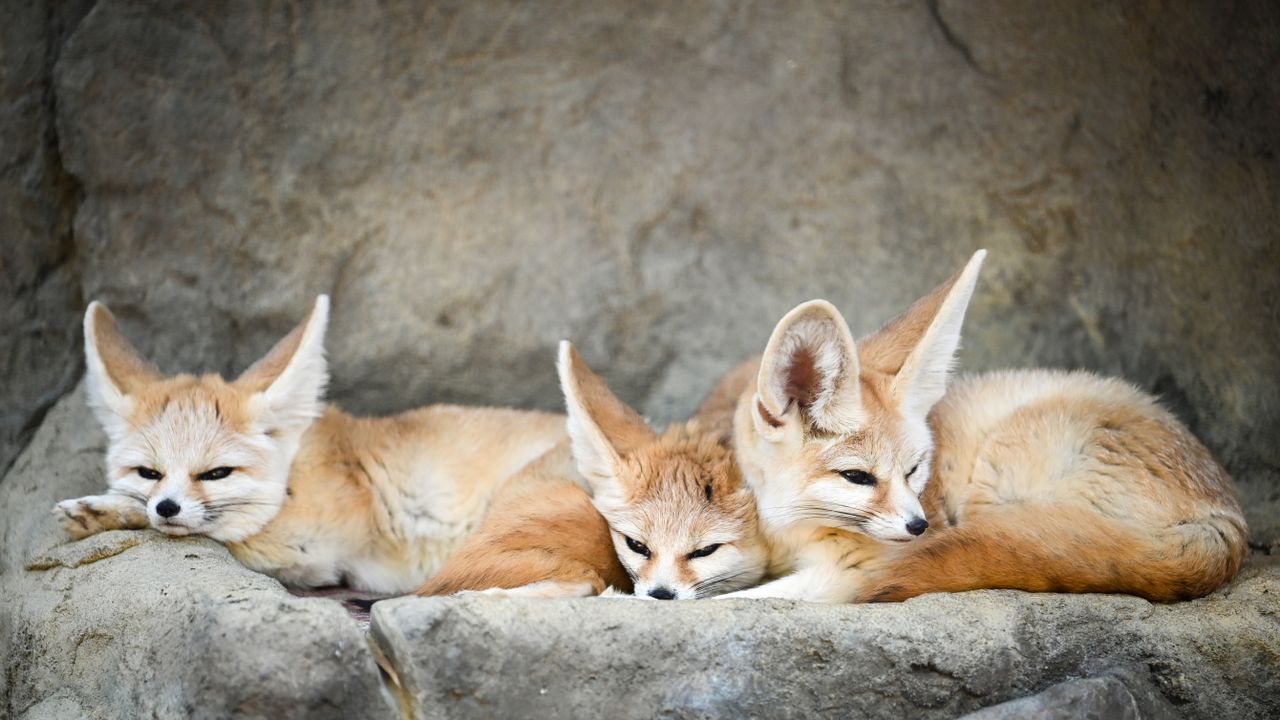
Among the most commonly discussed legal exotic pets is the fennec fox, a small desert fox known for its oversized ears and high energy. It is legal in several states, though owners quickly learn that its appeal comes with challenges such as nocturnal behavior, digging, and scent marking. Sugar gliders are another widely kept exotic species, prized for their size and sociable nature, but they require companionship and can suffer if kept alone.
Hedgehogs also appear on many legal exotic pet lists, though some states and cities restrict them. Their relatively small size makes them seem simple, yet they need controlled temperatures, veterinary care from experienced exotic-animal practitioners, and patient handling. Servals and caracals draw attention for their striking wild-cat appearance, but where legal, they are best understood as highly demanding animals rather than oversized house cats.
Skunks, when captive-bred and descented where permitted, are legal in some jurisdictions and can be intelligent, interactive pets. Wallabies are also legal in certain states, especially in rural settings where owners can provide secure outdoor enclosures. These examples show an important pattern: legality often reflects regulation, not ease of care. Animals that seem manageable online may require specialized diets, enriched habitats, and veterinarians willing to treat them.
Lesser-known species with legal ownership pathways
Capybaras have become internet-famous, but in real life they are large, semi-aquatic rodents that need far more than a backyard and a kiddie pool. In states where they are legal, they do best with access to water, social companionship, and significant space. Their calm reputation is partly deserved, yet their size and environmental needs put them beyond the abilities of many casual pet owners.
Kinkajous, native to Central and South America, are legal in some states and often marketed as affectionate exotic companions. In practice, they are nocturnal, agile, and capable of biting when stressed or overstimulated. The same caution applies to coatimundis, which can be legal depending on location but remain active, intelligent animals that need constant enrichment and secure housing.
Muntjac deer and reindeer can also be kept privately in some parts of the U.S., typically under agricultural or exotic livestock rules. These species attract owners looking for something truly unusual, yet fencing, transport rules, and veterinary availability become major concerns quickly. Sloths are another high-profile example; even where technically legal, their strict climate, diet, and low-stress needs make them unsuitable for most households. Legality opens a door, but responsible ownership requires much more than permission.
What prospective owners should know before bringing one home
A legal exotic pet list is never a universal green light because U.S. regulation is fragmented. State wildlife agencies, agriculture departments, and local governments may all have overlapping authority, and rules can change quickly after escapes, disease concerns, or public-safety debates. Before acquiring any exotic species, responsible owners verify breeder credentials, permit requirements, enclosure standards, and access to veterinary care.
Cost is often the biggest surprise. Specialized diets, climate-controlled habitats, reinforced enclosures, and emergency medical treatment can easily exceed the expense of caring for a dog or cat. According to guidance commonly echoed by exotic veterinarians and animal welfare groups, long-term planning matters more than novelty, especially for species that live 10 to 20 years or more.
The 13 animals most often cited as legally ownable somewhere in the U.S. are fennec foxes, sugar gliders, hedgehogs, skunks, wallabies, servals, caracals, capybaras, kinkajous, coatimundis, muntjac deer, reindeer, and sloths. Every one of them comes with trade-offs involving welfare, safety, and public responsibility. For most people, the most ethical exotic pet is not the rarest animal available, but the one whose needs they can meet consistently and legally.