
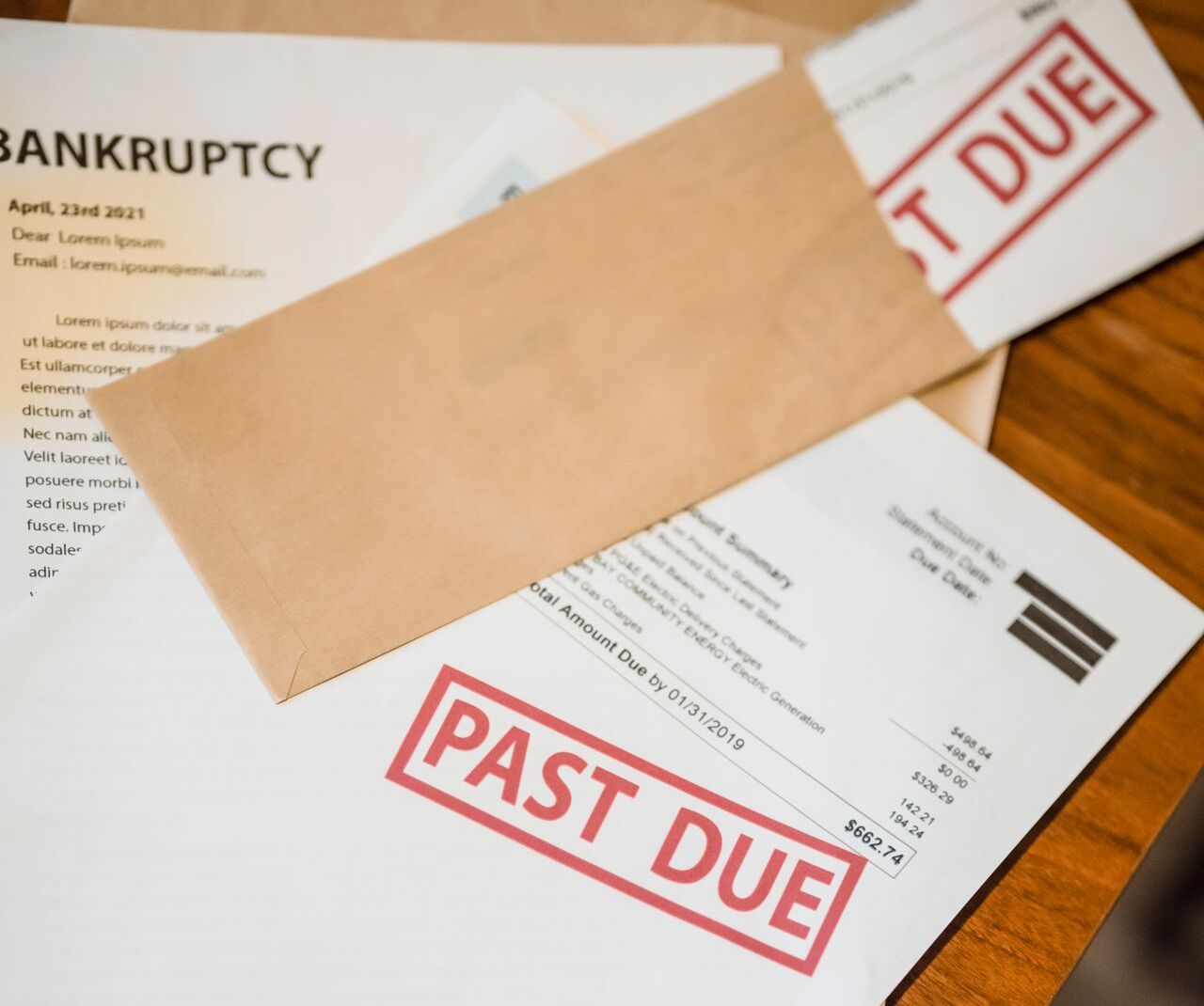
Casual-dining chains across the U.S. have been closing stores, restructuring debt and searching for new investors as inflation, labor costs and weaker discretionary spending pressure full-service restaurant traffic. That trend has hit Bravo Brio Restaurants especially hard, leaving the parent of Bravo! Italian Kitchen and Brio Italian Grille a much smaller chain after a second bankruptcy in five years.
Bravo Brio filed again as its footprint kept shrinking
Bravo Brio Restaurants filed for Chapter 11 protection on August 18, 2025, according to court records and industry reports. Restaurant Dive reported at the time that the company, which operates Bravo! Italian Kitchen and Brio Italian Grille, entered bankruptcy for the second time in five years, following an earlier bankruptcy by former parent FoodFirst Global Restaurants in April 2020.
The scale of the retrenchment is significant. Industry reporting in October 2025 said R&R Brands had taken over management of 48 company-owned Bravo and Brio restaurants after making a strategic investment, and that deal closed October 6, 2025. Earlier reporting and company background materials indicate the brands once operated well over 100 restaurants, with counts reaching roughly 118 in 2017 and around 130 at their peak.
Court documents filed in the U.S. Bankruptcy Court for the Middle District of Florida show Bravo Brio Restaurants said it needed to reorganize again after years of financial strain. A March 31, 2026 bankruptcy court opinion also confirms the current corporate structure traces back to the 2020 sale, when Bravo Brio Restaurants acquired assets through a Section 363 sale in FoodFirst Global Restaurants’ Chapter 11 case.
Closures stretched across several states, but the full map is still unclear
Confirmed closures before and after the 2025 filing have been reported in several states, including Ohio, Missouri, Virginia and Alabama. In Alabama, local reporting in Huntsville said the Bravo! Italian Kitchen at Bridge Street Town Centre had officially closed, ending the brand’s only Alabama location.
Ohio remains central to the brands’ history because Bravo!’s first location opened in Columbus in 1992, according to the company’s website. But the company has not released a comprehensive public list of every restaurant closed during the latest downsizing, and it also has not published a state-by-state tally of affected stores.
That leaves important local questions unanswered in many markets. While current brand websites show the chains are still operating and taking reservations at remaining restaurants, the exact city-by-city picture changed repeatedly during and after the bankruptcy process. Public reporting confirms multiple closures, but not every affected metro area has been formally identified by the company.
Rising costs, weaker traffic and shopping-center exposure drove the restructuring
Bravo Brio tied the latest filing to mounting operating pressure. Restaurant Dive, citing the company, reported that ongoing inflationary pressure and higher food and labor costs contributed to the filing, while other coverage of the bankruptcy said the company also pointed to higher interest rates and softer consumer spending.
Location quality also mattered. Restaurant Dive reported the chain faced difficulties at restaurants in shopping centers with high vacancies and low foot traffic, a problem that became more severe as spending slowed. That explanation aligns with broader casual-dining struggles, particularly for brands tied to suburban mall and lifestyle-center traffic.
For customers, the practical takeaway is that Bravo and Brio are still operating, but with a far smaller national footprint than they once had. R&R Brands said in October 2025 that it planned support across operations, marketing and technology to modernize the guest experience and refresh the two brands, indicating the remaining restaurants were expected to continue under a turnaround plan rather than disappear immediately.