
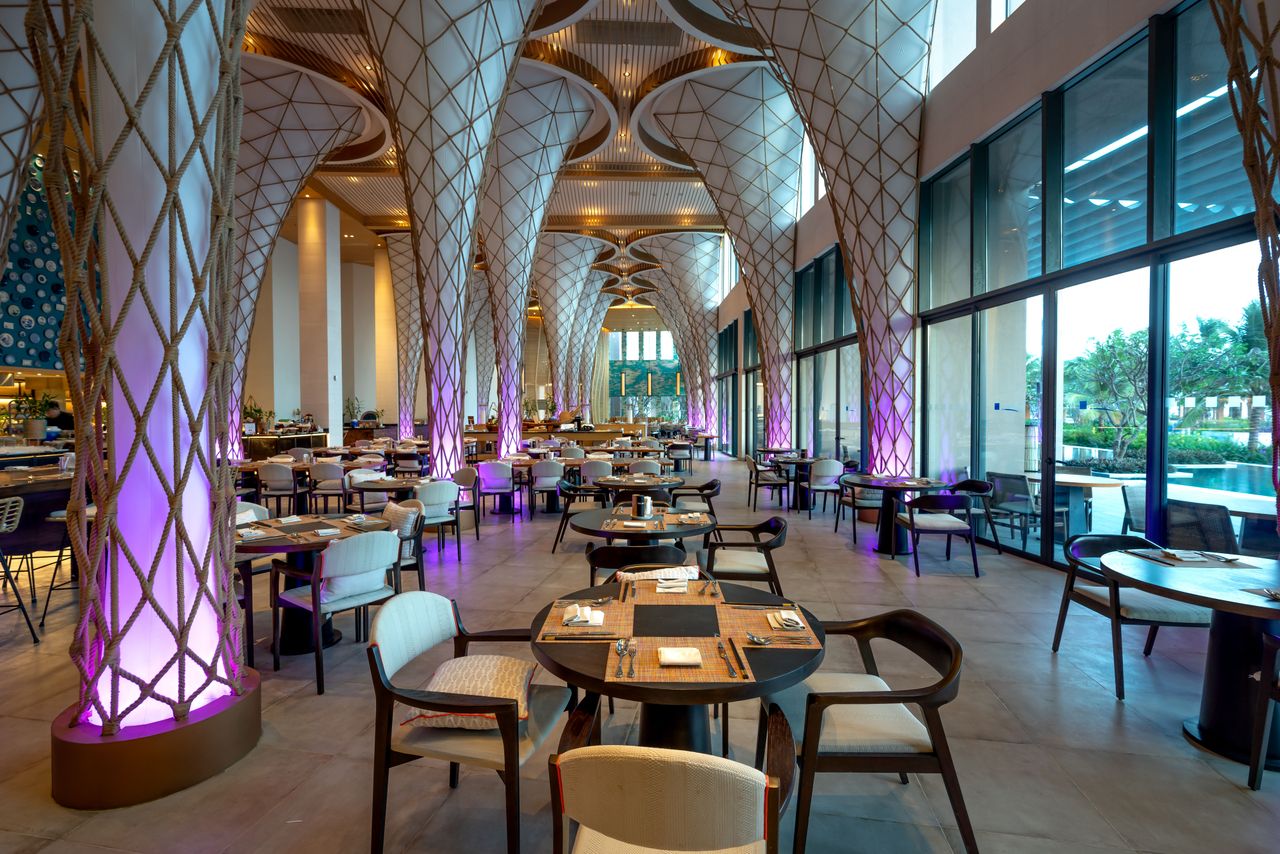
I almost skipped it. That turned out to be the best dining decision of the trip.
After years of chasing reservation alerts, sidewalk lines, and social-media-famous menus, I found a better kind of restaurant in the place I least expected: the hotel downstairs.
Why the hotel restaurant won before the first course arrived
The biggest surprise was not just the food. It was the absence of friction. No two-hour queue, no rushed host stand, no pressure to order the dish everyone films for 12 seconds before it cools. The room was calm, the service was immediate, and the tone suggested confidence rather than hype.
That shift is bigger than one meal. OpenTable and KAYAK reported in July 2025 that 58% of Americans believe hotel restaurant offerings have improved over the years, while KAYAK saw a 51% year-over-year increase in use of its hotel “restaurant” filter. Nearly half of Americans, 47%, said they had specifically booked a trip to visit a restaurant, which shows how tightly travel and dining now overlap.
The old stereotype of the hotel restaurant as overpriced, sleepy, and built only for captive guests is fading fast. Many properties now treat food and beverage as a brand-defining asset, not an afterthought. Forbes Travel Guide’s 2024 Star Awards highlighted hotels earning top recognition across lodging, dining, and spa, underscoring how seriously leading properties now invest in the full guest experience.
What that means for diners is simple: some hotel restaurants are engineered to please both travelers and locals. That double audience can create a sharper operation, because the restaurant has to be dependable enough for guests and compelling enough to pull in a city crowd that has plenty of other choices.
What the viral places often get wrong
Viral restaurants still have their place. They can be thrilling, inventive, and worth the detour. But too often, the online feedback loop rewards what photographs well over what actually eats well. A towering garnish, a dramatic tableside pour, or a novelty dessert can outrun the less visible virtues that make a meal feel excellent from start to finish.
OpenTable’s 2025 dining research pointed to the continued rise of experiential dining, but the best experiences are not always the loudest ones. Diners are still looking for occasion-worthy meals, yet they also increasingly value comfort, hospitality, and a sense that the restaurant understands why they came. That distinction matters. Spectacle can get someone through the door; consistency brings them back.
Hotel restaurants have an advantage here because they are often built for repeat performance. Breakfast has to run on time. Room-service standards influence kitchen discipline. Bar traffic rises and falls with conferences, weddings, and late arrivals. Those operational demands can produce a kitchen that is less chaotic and a service team that is better trained than what you find at many overexposed hotspots.
In practical terms, that can mean hotter food, tighter pacing, stronger wine guidance, and staff who know how to read a table. None of that goes viral easily. All of it improves dinner.
The real luxury was competence, not exclusivity
What stayed with me most was not a single signature dish, though there was one. It was the feeling that every element had been considered. The bread arrived warm, the cocktail was balanced instead of sugary, and the main course landed exactly when the table was ready for it. Nothing felt improvised for applause.
That kind of competence is increasingly valuable in a dining culture driven by scarcity theater. Waitlists create status, but they do not guarantee quality. In fact, some of the most exhausting meals now come wrapped in the idea that difficulty equals excellence. It does not. Sometimes it just means demand outran discipline.
OpenTable’s Top 100 Hotel Restaurants in America for 2025 was built from diner reviews, ratings, advance bookings, and five-star feedback, a reminder that hotel dining is no longer judged on convenience alone. It is being measured against the same standards as any destination restaurant in the country.
So yes, the hotel restaurant I nearly ignored ended up outclassing the places I had planned my day around. It was more polished, more generous, and far more satisfying. The lesson was humbling: the best meal in town is not always the one with the longest line. Sometimes it is the one secure enough not to need one.