
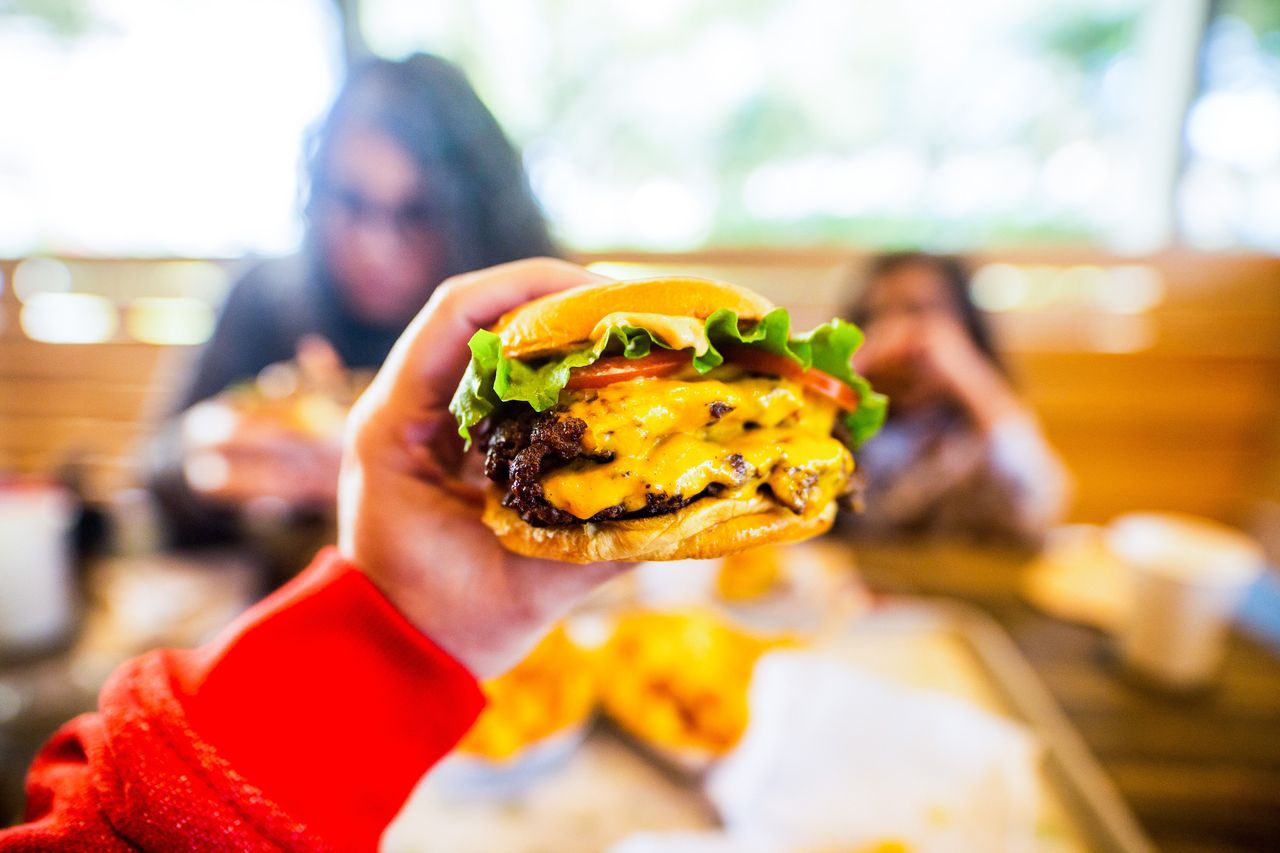
Most people assume the biggest fast food secret is some strange additive with an unpronounceable name. After a week of reading nutrition labels, a far more important pattern jumps out. The real myth is that you can reliably guess what is “better” or “worse” just by the type of item you order.
The myth is not about one scary ingredient

The conversation around fast food often fixates on a villain: preservatives, seed oils, frozen patties, or “chemicals.” That framing is emotionally satisfying because it turns a complex food system into a single bad actor. But nutrition labels tell a different story, one rooted less in one ingredient and more in formulation, portion size, and stacking effects across the whole meal.
A grilled chicken sandwich, for example, may sound lighter than a burger, yet the sodium can be surprisingly close or even higher depending on the chain, the marinade, the bun, and the sauce. A salad can carry more sugar and fat than a sandwich once crispy toppings, sweet dressings, and cheese are added. Even breakfast items marketed as protein-forward often arrive with sodium levels that make them nutritionally closer to lunch than many customers realize.
What becomes obvious after label reading is that fast food risk is rarely hiding in an exotic additive. It is usually hiding in ordinary ingredients used repeatedly and heavily: salt, refined starches, added sugars, cheese, creamy sauces, and oils. These are not mysterious, and that is precisely why they are easy to overlook.
This is why public health experts have long focused on dietary patterns rather than ingredient panic. A 2024 study might examine ultra-processed foods broadly, but in practical menu terms, the clearest warning signs are still familiar. The labels keep showing the same truth: the most consequential ingredients are often the ones consumers stopped worrying about because they seem normal.
Nutrition labels expose the category illusion

One of the strongest myths in fast food is that menu categories have nutritional meaning. People tend to treat wraps, bowls, chicken, smoothies, and salads as automatically safer than burgers, fries, and shakes. In reality, labels show that the category is often just a branding frame, not a dependable health signal.
A wrap can be calorie-dense because the tortilla itself adds refined carbohydrates and sodium before fillings and sauces even enter the picture. A rice bowl can look balanced but become a heavy sodium delivery system when seasoned meat, cheese, dressings, and flavored rice are layered together. Some “snack” items are so dense in calories and fat that they function more like a full meal than a side.
Beverages are where the category illusion gets even worse. Coffee-based drinks can carry dessert-level sugar loads, while fruit smoothies can deliver more calories than a sandwich. Consumers often separate drinks from food mentally, but labels expose how much of a meal’s sugar and energy can come from the cup alone.
This is not accidental. Chains design menus around taste, convenience, and repeat purchase behavior, not around preserving intuitive nutrition cues. The result is a landscape where words like fresh, grilled, veggie, or artisan can coexist with high-sodium, high-sugar, and high-calorie totals. The label is often the only part of the menu telling the blunt truth.
The biggest surprises are sodium and sauce

If there is one number that repeatedly shocks label readers, it is sodium. Many fast food meals push well past what customers would guess from taste alone, especially when bread, processed meats, cheese, condiments, and seasoned sides are combined. The salt is not just in one component; it is built into nearly every layer.
This matters because sodium does not always announce itself with obvious saltiness. Bread can contribute hundreds of milligrams. Sauces can add another major jump. Pickles, breaded coatings, bacon, and cheese each seem small in isolation, but together they turn an ordinary combo into a meal that can approach or exceed daily targets in a single sitting.
Sauce is the second hidden force. Consumers often worry about the patty or the fries, but labels show how quickly creamy dressings, flavored mayonnaise, and sweet glazes can reshape a meal. A sandwich without sauce can look materially different from the same sandwich with the chain’s signature spread, and a salad can swing from moderate to indulgent with one packet.
That is why comparison shopping inside one chain can be surprisingly revealing. The difference between two seemingly similar chicken sandwiches may come down less to the chicken than to the breading, sauce, and cheese. In many cases, the “mystery ingredient” people fear is nutritionally less important than the visible extras they barely count.
Processing is real, but consumers often misread it

None of this means processing does not matter. It does. Fast food is typically engineered for consistency, shelf stability, speed, and craveability, and that often means ingredient lists with emulsifiers, stabilizers, flavor systems, and preservatives. But the week of label reading makes one thing clear: consumers often use “processed” as a vague stand-in for whatever they already distrust.
A long ingredient list can look alarming even when the biggest nutritional issue is still the basic macro profile. A shorter ingredient list can look reassuring while still delivering high saturated fat, sodium, and added sugar. This is where the clean-label halo misleads people. Simpler wording does not automatically equal a meaningfully healthier meal.
Real-world examples bear this out. Fast-casual chains often market customization and transparency, yet a heavily loaded bowl can surpass a traditional combo meal in calories and sodium. On the other hand, some standard fast food items with less marketing glamour can be relatively moderate if portions are controlled and high-calorie add-ons are skipped.
The lesson is to separate two questions that people frequently blend together. Question one is how industrially formulated a food is. Question two is what that food does nutritionally once eaten in realistic portions. Both matter, but labels show they are not interchangeable, and confusing them is one reason the biggest myth survives.
What label reading actually teaches you to order
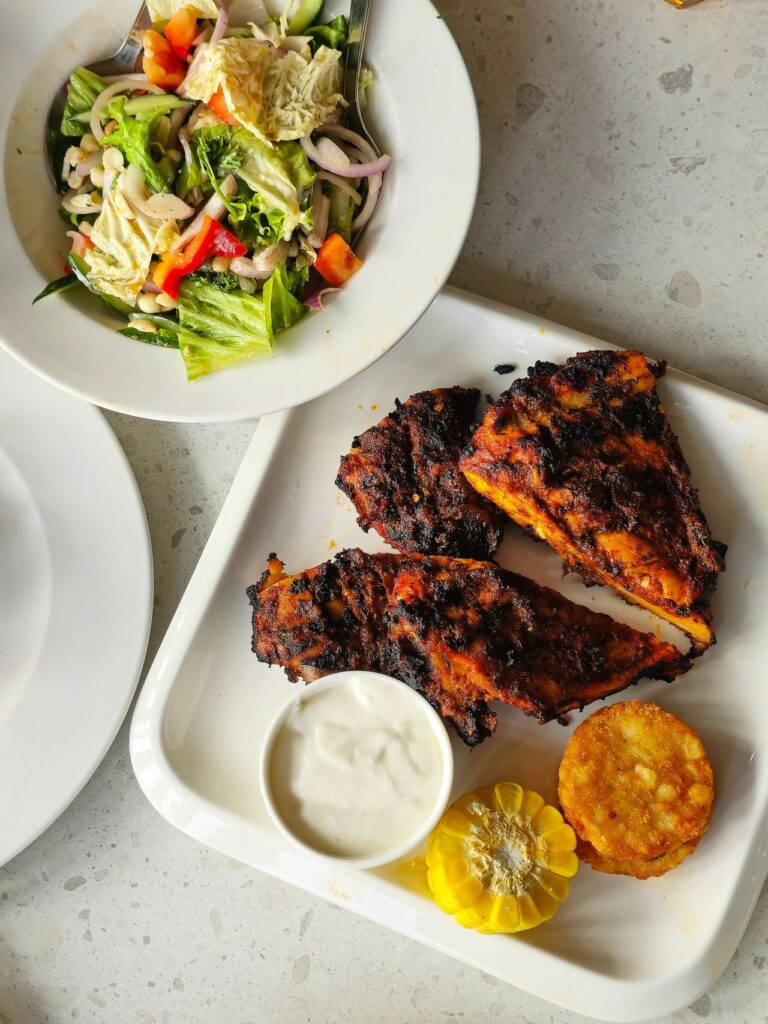
After a week of scanning labels, the smartest fast food strategy is not chasing a mythical perfect item. It is learning which levers move the numbers fastest. Sauces, cheese, breading, sugary drinks, and large sides often change a meal more dramatically than switching from one protein category to another.
That leads to practical decisions. Compare the default build with and without sauce. Look at sodium before assuming grilled means light. Check beverages with the same seriousness as sandwiches. If available, pay attention to portion tiers because the jump from regular to large can be nutritionally enormous for fries, fountain drinks, and desserts.
The most useful mindset is skepticism toward menu storytelling. “Fresh,” “protein-packed,” “plant-based,” and “made with real ingredients” may all be technically true while still obscuring the bigger nutritional picture. Labels cut through that by quantifying what branding softens: calories, saturated fat, sodium, fiber, and added sugar.
So the biggest fast food ingredient myth is not that chains are hiding one shocking substance nobody can identify. The visible identity of a menu item tells you its nutritional reality. After enough label reading, the truth is plain: in fast food, the ordinary ingredients and the cumulative build matter far more than the scary ingredients people keep searching for.