
The internet loves a miracle grocery hack. Real life is less generous.
After 30 days of testing the most repeated supermarket advice, I found that only four strategies reliably cut spending in a noticeable, repeatable way. The rest either saved pennies, required too much time, or quietly pushed me to buy more than I needed.
Most grocery “hacks” fail for the same reason

A lot of popular advice sounds smart because it focuses on the sticker price, not the final cart total. In practice, many tricks encourage shoppers to chase deals rather than buy efficiently. That distinction matters more now because grocery prices remain elevated even as inflation has cooled. USDA data shows average food-at-home prices in 2025 were 2.3 percent higher than in 2024, and Consumer Reports noted that food prices are still nearly 30 percent above February 2020 levels.
That means shoppers are working in a market where small errors compound fast. Buying an extra item because it was on promotion, driving across town for a modest discount, or stocking up on perishables that spoil before you use them can erase any theoretical savings. The money is not lost on the shelf alone; it is lost in the mismatch between what looked cheap and what actually got consumed.
Over the month, I tested loyalty deals, digital coupons, warehouse-sized packaging, meal prepping, frozen produce swaps, store brands, multiple-store runs, and the old advice to “never shop hungry.” Some reduced the receipt. Some only reduced self-control. A few turned shopping into a part-time job.
The useful test was simple: did the tactic lower my weekly spend without adding waste, stress, or a second trip? If the answer was no, it did not count as a real win.
Trick No. 1 that worked: planning meals around what I already had

The most effective strategy started before I entered the store. The USDA and FDA both recommend planning meals, checking what is already at home, and building a list before shopping as a way to reduce waste. That advice sounds ordinary, which may be why it gets overshadowed by flashier hacks. It also works.
For 30 days, I built each week’s meals around ingredients already in my freezer, pantry, and refrigerator. Instead of asking, “What do I want to cook?” I asked, “What can I finish?” Rice became fried rice, wilting greens went into soup, and half-used yogurt turned into marinade. This one shift reduced duplicate purchases and prevented the common habit of buying ingredients I technically owned but forgot about.
The payoff was larger than coupon savings because it tackled waste directly. FDA guidance notes that confusion and poor planning contribute heavily to household food waste, and USDA consumer guidance emphasizes leftovers and pre-shopping inventory for the same reason. Saving food from the trash is often the fastest route to saving money.
This trick also changed the emotional rhythm of shopping. I stopped browsing for ideas and started shopping with constraints. That made impulse buys less tempting and kept the cart focused.
Trick No. 2 that worked: using the unit price instead of the package price

If there was one tactic that made me feel instantly smarter in the aisle, it was reading the unit price every time. Unit pricing, displayed on shelf tags as cost per ounce, pound, or similar measure, is one of the few defenses consumers have against misleading package sizes and shrinkflation. NIST has specifically framed uniform unit pricing as a tool that helps shoppers compare value more accurately.
This mattered most in categories designed to confuse comparison shopping: cereal, snacks, coffee, condiments, and paper goods. The lower sticker price was often attached to a smaller package with a worse cost per ounce. Promotional tags made that gap harder to notice, not easier. Once I committed to unit price over brand familiarity, I stopped overpaying for “cheap-looking” items.
The savings were steady rather than dramatic, but steady wins are what matter in grocery budgets. A 40-cent difference on one shelf does not feel life-changing. Repeated across dozens of purchases each month, it is. Unit pricing turned out to be one of the rare tricks that works without changing what you eat.
It also exposed a myth: bulk is not automatically cheaper. Some family-size packages were better values, but others were not. Without the unit price, I would have guessed wrong more often than I want to admit.
Trick No. 3 that worked: buying more store brands, selectively
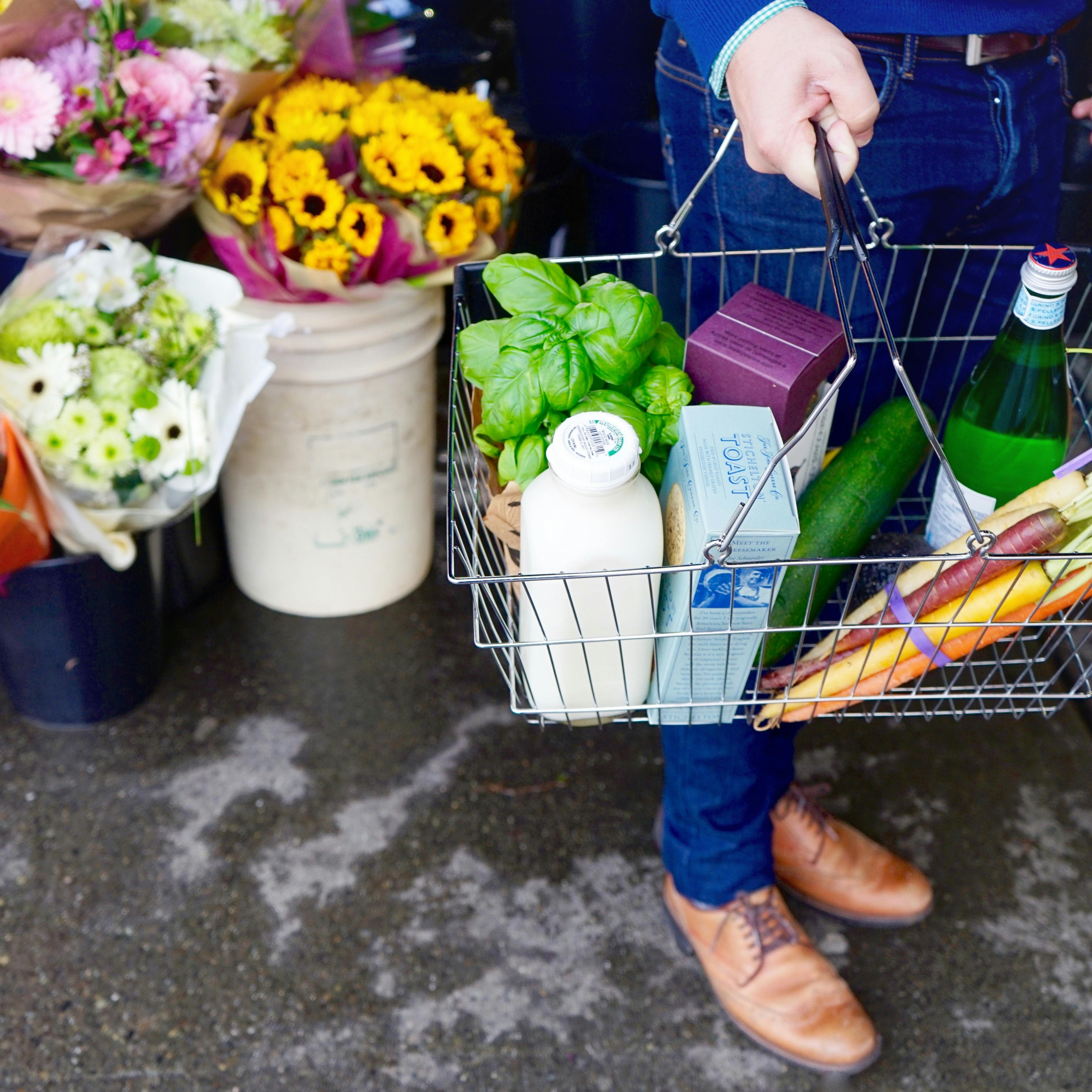
Store brands were the clearest direct substitution win. Consumer Reports has found that private-label foods and beverages often cost 20 to 25 percent less than national brands, and some comparisons show even wider savings. Market data also shows the category keeps growing, with private-label sales hitting record levels in 2024 as shoppers leaned harder into value.
The keyword, however, is selectively. I did not find that every store brand was better, only that many staples were effectively interchangeable. Pantry basics, canned beans, pasta, oats, flour, shredded cheese, frozen vegetables, broth, and cleaning supplies were easy switches. In blind or side-by-side use, the difference was usually negligible.
The biggest mistake shoppers make is treating store brands as a philosophy rather than a filter. Premium private-label lines can creep close to name-brand prices, especially in snacks and specialty items. The real savings came from applying the swap to basics, not from assuming everything with a store label is a bargain.
This tactic also worked because it required almost no extra labor. There was no coupon-clipping window, no loyalty app learning curve, and no second-store detour. I just reached left instead of right, and the total dropped.
Trick No. 4 that worked: frozen produce for the right jobs
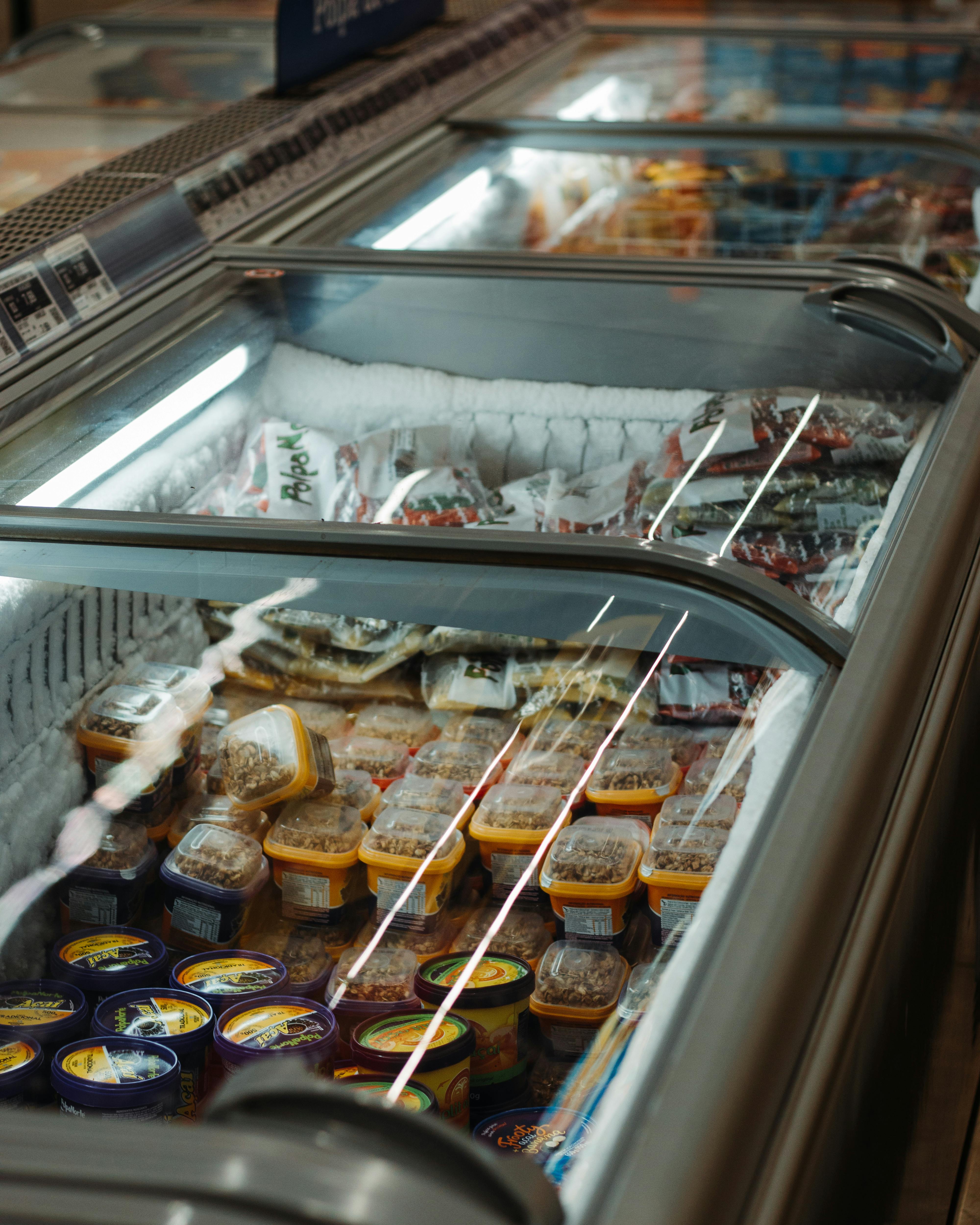
Fresh produce has a health halo that can distort budget decisions. In reality, Harvard Health notes that frozen fruits and vegetables are nutritionally similar to fresh and can sometimes be the more practical option, especially when fresh produce risks spoiling before use. That point held up in my kitchen quickly.
I saved the most by buying frozen berries for smoothies, frozen spinach for eggs and pasta, and frozen broccoli, peas, and mixed vegetables for fast dinners. These were ingredients I used in portions, not all at once. Frozen let me take exactly what I needed and return the rest to the freezer instead of watching fresh produce decline in the crisper drawer.
This worked best when the texture was not the star. A frozen strawberry is excellent in oatmeal and smoothies, less persuasive in a fruit salad. A frozen green bean works in a skillet, not on a crudité platter. Once I matched the product to the job, the savings became obvious.
The hidden financial benefit was waste prevention. Fresh produce that dies unused is 100 percent wasted money. Frozen produce lowered that risk dramatically while keeping weeknight cooking flexible.
The hacks that flopped, and what actually matters now

Several beloved tricks underperformed. Digital coupons helped occasionally, and Consumer Reports says they can unlock real discounts, but they demanded attention, timing, and app fluency that did not always justify the return. They are best treated as a bonus layer, not a primary strategy. Even AP’s reporting on supermarket coupon kiosks reflects the same reality: digital deals can save money, but access and convenience remain uneven.
Bulk buying also disappointed when tested outside true staples. Buying giant quantities of snacks, produce, or novelty items increased spending because the purchase itself felt efficient. Shopping at multiple stores created theoretical savings but often lost on gas, time, and the temptation to buy “just one more thing” in each location.
What actually matters is surprisingly unglamorous: plan around what you have, shop by unit price, switch strategically to store brands, and use frozen produce where it reduces spoilage. Those four methods survived a month of real receipts, real meals, and real constraints.
In other words, the best grocery tricks are not clever. They are disciplined. And that is exactly why they work.