

Food labels used to be something many shoppers glanced at and ignored. Now they have become one of the busiest battlegrounds in the grocery aisle.
What changed is not just nutrition advice. Consumers are using labels to answer a much bigger question: what, exactly, am I buying, and is it worth it?
Labels have become a shortcut for navigating an unsettled food economy

The most immediate reason consumers are paying closer attention is simple: groceries cost more, and people want proof that what they are buying delivers value. When a family is comparing two jars of pasta sauce, two cereals, or two frozen meals, the label has become a tool for deciding whether a higher price reflects better ingredients, more protein, less sugar, or just better marketing. In an inflation-conscious market, the package is no longer decoration. It is evidence.
That shift is happening alongside a major rise in private-label shopping. NielsenIQ reported in 2025 that private label is no longer seen only as a budget choice, with nearly half of consumers saying they are buying more store-brand products than ever. As shoppers move between national brands and retailer brands, they often lack long-term familiarity with the product. That makes labels more important, because ingredients, nutrition panels, front-of-pack claims, and serving sizes help fill the trust gap that brand reputation once covered.
The same dynamic is changing e-commerce behavior. When shoppers buy online, they cannot squeeze the fruit, inspect the bread crust, or compare products side by side as easily. Product content becomes a substitute for physical judgment. NielsenIQ has argued that clearer, richer product information raises confidence, especially when consumers are trying unfamiliar products. In practice, that means the label is doing double duty: it informs the purchase and reassures the buyer that the choice is smart.
This economic scrutiny is also more sophisticated than it sounds. Consumers are not only asking whether a product is cheap. They are asking whether it is efficient: will it keep them full, fit a diet plan, avoid waste, and justify the premium? A cereal marketed as “high protein” may still lose ground if the ingredient list looks overly engineered. A frozen meal may win if sodium and added sugars appear more reasonable than the competitor’s. In a tighter economy, labels help consumers sort real value from perceived value, which is one reason the once-over has turned into a close read.
Health concerns are pushing shoppers beyond calories and into ingredient lists

A second force is the broadening definition of healthy eating. For years, many shoppers focused on calories, fat grams, or carbs. Now they are reading labels for signals about added sugars, sodium, saturated fat, protein quality, fiber, seed oils, dyes, emulsifiers, preservatives, and whether a food seems “ultra-processed.” The center of gravity has moved from one or two nutrients to the overall character of the product.
That change reflects both public health messaging and a flood of coverage around ultra-processed foods. A 2024 BMJ umbrella review evaluated evidence from 45 meta-analyses and found associations between higher ultra-processed food exposure and 32 adverse health outcomes. The study did not prove that every packaged food is harmful or that processing alone explains disease risk, but it gave consumers a scientific reason to look past front-label promises and inspect what is actually inside. Even people who cannot define ultra-processed foods precisely have absorbed the broader message that long ingredient lists and industrial additives deserve scrutiny.
Consumer behavior data show that this concern has become mainstream. The 2024 IFIC Food & Health Survey found younger adults especially likely to be familiar with the term “ultraprocessed food,” and its 2025 report noted that when Americans encounter the term, about half say they would look at the ingredient list and/or Nutrition Facts label to decide whether a food qualifies. That is an important behavioral shift. Instead of passively accepting a product category as healthy or unhealthy, consumers are turning to labels as the deciding document.
This does not mean shoppers are always interpreting labels perfectly. Terms like “natural,” “made with whole grains,” “lightly sweetened,” or “no added sugar” can still create a health halo that exceeds the product’s actual nutritional profile. Consumer Reports has repeatedly warned that front-of-pack claims may act as shortcuts, but the real picture still sits in the Nutrition Facts panel and the ingredient list. A tea with “slightly sweet” branding can still carry a meaningful dose of added sugar. A snack labeled “no artificial ingredients” can still be high in sodium or low in fiber.
In other words, consumers are reading more closely because they no longer trust a single claim. They are trying to reconcile the science, the marketing, and their own health goals on the fly, often in the span of a grocery trip. The label has become where those tensions are resolved.
Safety worries and recall fatigue have made labels feel more consequential
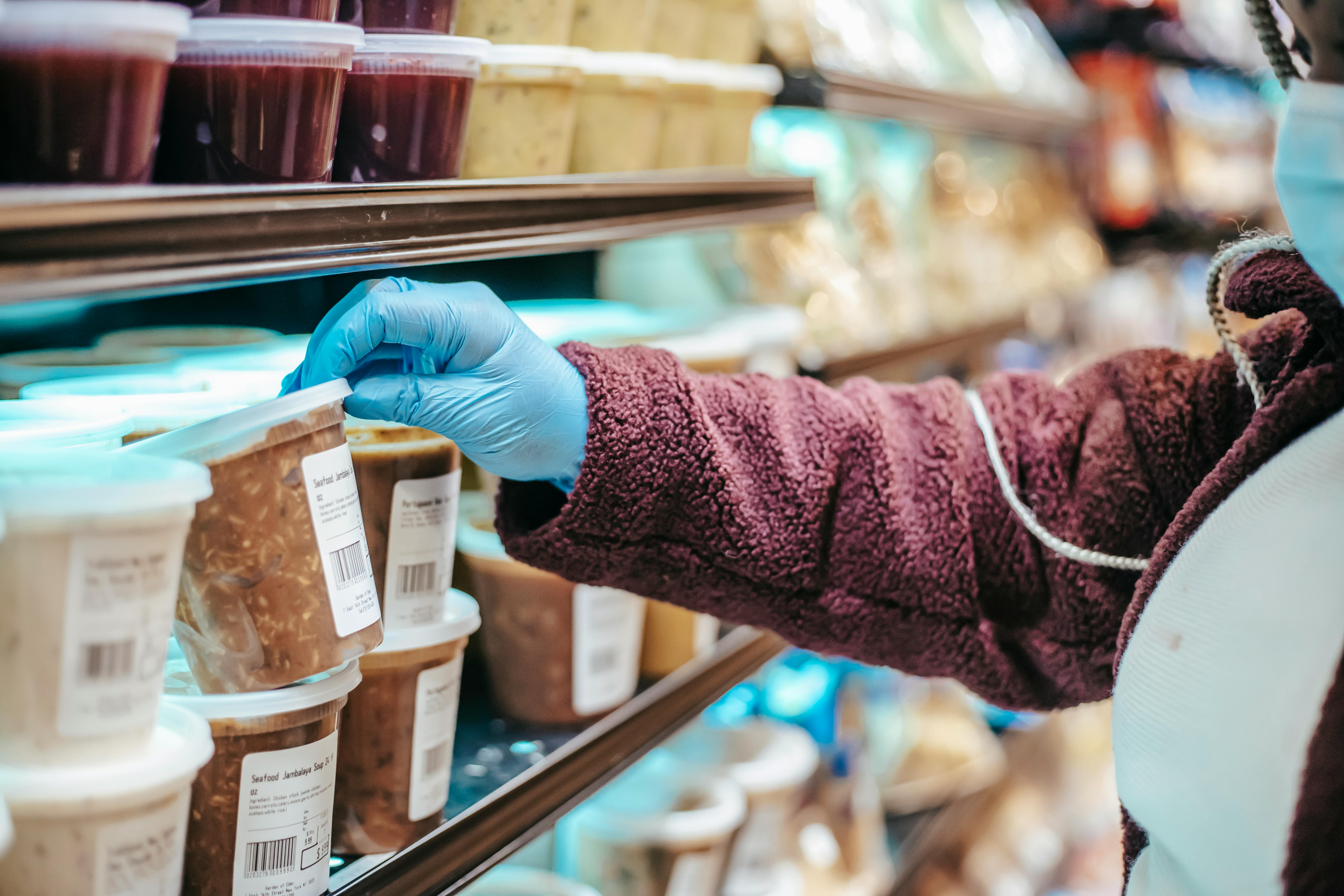
Food labels are also getting more attention because they are tied directly to safety. For shoppers with allergies, intolerances, or medically necessary diets, label reading has never been optional. What is new is that a broader share of consumers now sees labeling as a practical safety check, not just a nutrition exercise. Recalls, contamination stories, and undeclared allergen incidents have made packaging details feel more urgent.
The FDA says foods are often recalled because of contamination, foreign objects, or failure to list a major allergen such as peanuts or shellfish on the label. That last category matters enormously, because it turns the label into a line of defense. A missing or inaccurate allergen statement is not a minor paperwork problem. It can trigger serious illness. As consumers become more aware of that reality, they are more likely to inspect labels closely, especially on new products, imported items, bakery foods, and prepared meals.
Regulators have been reinforcing that awareness. The FDA has described undeclared allergens as the leading cause of food recalls and updated allergen labeling guidance in January 2025. It also issued communications in 2025 pressing industry to improve recall practices, particularly for foods intended for infants and young children. Those actions send a clear message to the market: labels are not only about marketing compliance; they are essential to protecting consumers from preventable harm.
This heightened vigilance spills into mainstream shopping habits. Parents read labels more carefully when buying snacks for school. Adults managing blood pressure check sodium more closely. People with digestive concerns scan for sugar alcohols, gums, or emulsifiers. Others look for country-of-origin cues, certification seals, or warnings that help them feel more secure about what enters the household. Even when no specific threat is present, the act of reading the label offers a sense of control in a food environment that often feels opaque.
That emotional component matters. Modern consumers are not just collecting information; they are trying to lower uncertainty. The more stories people hear about recalls, ingredient disputes, and hidden allergens, the more the label becomes the official story of the product. If that story feels incomplete, cluttered, or evasive, confidence drops quickly.
Regulation and public debate are teaching consumers what to look for

Another reason labels are suddenly under the microscope is that regulators, advocacy groups, and media coverage are effectively training consumers to read them differently. The FDA proposed a front-of-package “Nutrition Info” box in January 2025 that would place at-a-glance information on saturated fat, sodium, and added sugars on the front of most packaged foods. The agency extended the comment period to July 15, 2025, underscoring how seriously the proposal is being debated.
That proposal matters well beyond policy circles. It reflects an official recognition that many consumers want faster, clearer nutrition signals when making real-world purchase decisions. The FDA has said the new front-of-pack box would interpret the levels of those nutrients as low, medium, or high, complementing the existing Nutrition Facts panel rather than replacing it. The move acknowledges a truth long visible in consumer behavior: the current label contains important data, but many shoppers want help translating it quickly.
At the same time, the FDA’s broader nutrition labeling work has kept public attention on terms such as “healthy,” added sugars, and sodium reduction. When agencies revisit these standards, consumers hear about it in news coverage, social media clips, and health advice from doctors and dietitians. That changes how they shop. A person who did not care about added sugars five years ago may now flip a yogurt cup over specifically to compare added sugar across brands. A shopper who once trusted a “healthy” badge may now ask what criteria sit behind it.
Consumer advocacy has played a role as well. Consumer Reports and similar groups have spent years highlighting confusion around claims such as “natural,” non-GMO, whole grain, and better-for-you language. The result is not necessarily distrust of all packaged foods. It is more conditional trust. Consumers increasingly assume that the front of the package is the pitch, while the side or back is the proof.
That distinction is reshaping food marketing. Brands can still win with attractive claims, but only if the panel underneath supports the story. As regulatory efforts and public discussion continue to spotlight label design, consumers are becoming more literate, more skeptical, and more deliberate in what they choose to believe.
The deeper shift is cultural: consumers want transparency, not just nutrition

Underneath all these trends is a broader cultural change. Consumers are not simply reading food labels more closely because they want fewer calories. They are reading them because food now carries more moral, medical, financial, and identity weight than it once did. A package can signal whether a product aligns with someone’s parenting standards, fitness goals, budget, politics, environmental values, or distrust of industrial food systems.
That is why ingredients lists now do social work that nutrition panels alone never could. For some shoppers, a shorter ingredient list suggests honesty and restraint. For others, the presence or absence of dyes, gums, sweeteners, or preservatives becomes a proxy for quality. Labels saying organic, plant-based, high-protein, regenerative, local, or minimally processed may each attract a different buyer, but the common thread is that consumers want products to disclose what they are and what they stand for. In that environment, label reading becomes a form of personal risk management.
The 2024 IFIC survey captured this fragmentation. It found that consumers use a wide range of label cues to guide beliefs about whether a food is healthy or safe, from “no artificial ingredients” to organic, low sodium, high protein, and country of origin. That variety shows how label scrutiny has expanded beyond traditional nutrition. People are building their own definitions of better food, then using the package to test whether a product meets them.
This trend is unlikely to reverse. If anything, it will intensify as AI-assisted shopping, digital shelf tags, stricter disclosures, and personalized nutrition tools make product comparison even easier. Consumers who learn to read labels carefully rarely go back to blind trust. Once a shopper has discovered how often a front-of-pack message differs from the underlying numbers, the habit of checking becomes sticky.
So the sudden obsession with labels is not really sudden at all. It is the visible outcome of years of inflation pressure, health anxiety, recall headlines, scientific debate, and declining patience for vague food marketing. Consumers are reading more closely because they believe the label reveals something the advertisement never will: whether the product deserves a place in their cart, their kitchen, and their lives.