

A recall affecting fewer than 1,300 bags would not usually dominate the food conversation for long. Yet this one did something larger: it turned a small packaging mistake into a case study in how modern food systems can fail in ways that matter deeply to consumers.
The product was familiar, the footprint was limited, and no injuries were reported. But the underlying issue, an undeclared milk allergen in a snack that shoppers reasonably expected to be dairy-free, raised the kind of questions that go far beyond one brand, one lot code, or one week’s headlines.
How a Limited Tostitos Recall Became a Broader Food Story
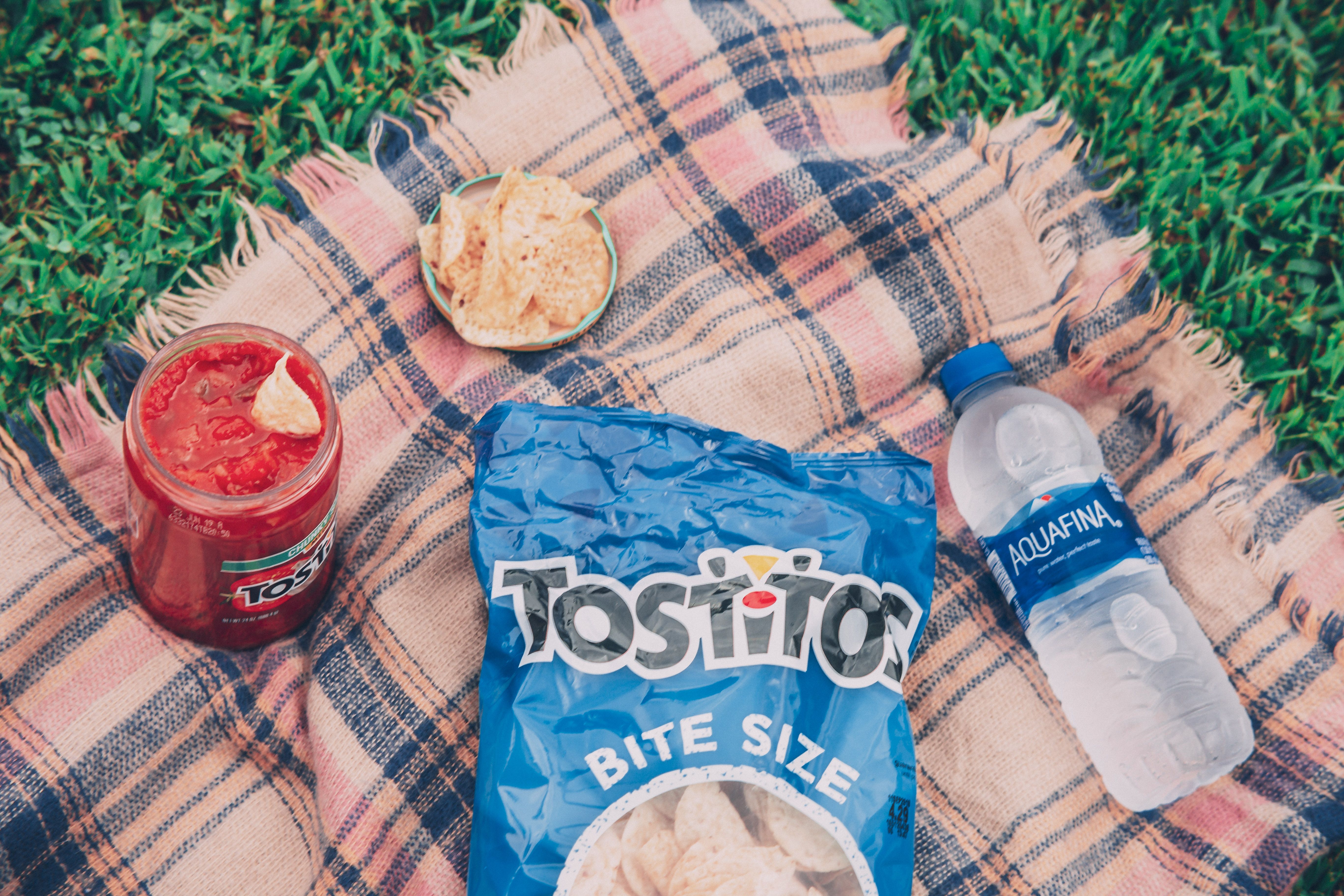
In late March 2025, Frito-Lay announced a limited recall of 13 oz. bags of Tostitos Cantina Traditional Yellow Corn Tortilla Chips because some bags could contain nacho cheese tortilla chips instead of the plain product listed on the package. According to the FDA and the company’s public notice, the problem meant the product could contain undeclared milk, creating a potentially serious risk for consumers with a milk allergy. The recall covered fewer than 1,300 bags, and the affected products had been available for purchase as early as March 7, 2025. The chips were distributed through a mix of retailers in 13 states, including Florida, Georgia, Illinois, Ohio, Tennessee, Virginia, and West Virginia, among others.
On paper, the event looked narrow. The recalled item involved one bag size, one product name, one allergen, and a tightly defined group of states. Frito-Lay also said there had been no reported allergic reactions tied to the recall at the time of announcement. That mattered, because many recall stories turn on reported illnesses, hospitalizations, or a widening contamination footprint. This one did not begin that way. It began with a mismatch between what a bag promised and what it may actually have contained.
That distinction is important. Most consumers hear “recall” and assume contamination in the classic sense: bacteria, metal fragments, spoiled ingredients, or a tainted supply chain. But one of the most persistent and dangerous recall triggers in the U.S. food system is much less dramatic to the eye. It is labeling failure. A product can look normal, smell normal, and even pass casual inspection, while still posing a serious health risk to a subset of shoppers if an allergen is missing from the label. The FDA says undeclared allergens are a leading cause of food recalls, and milk is the most common cause of recalls due to undeclared allergens.
That is why this recall resonated beyond its size. A limited event involving tortilla chips became a reminder that food safety is not only about what enters a plant, but also about what exits it under the wrong name, in the wrong bag, or with the wrong statement on the back panel. For most households, such a mistake may amount to inconvenience and a refund. For someone with a true milk allergy, it can mean a medical emergency triggered by an everyday snack that looked safe enough to eat.
Why Undeclared Allergens Remain One of the Food Industry’s Most Stubborn Problems

Undeclared allergen recalls persist because they sit at the intersection of manufacturing, formulation, packaging, sanitation, and human oversight. A company may have the correct recipe and still fail if the wrong film, carton, topper packet, or individual wrapper is pulled into production. That is what made the Tostitos case so instructive: the hazard was not an exotic pathogen or a hidden supplier scandal. It was a plausible line-level mix-up in which nacho cheese chips could end up inside bags labeled as traditional yellow corn.
The broader pattern is easy to see. In 2025 alone, the FDA posted multiple recalls tied to undeclared allergens across very different categories, including crackers, salads, bakery items, frozen foods, pancake mixes, and snack products. Mondelēz recalled several carton sizes of Ritz Peanut Butter Cracker Sandwiches after identifying packaging film defects linked to a supplier error. Trader Joe’s posted a recall for a sesame miso salad with salmon because a topping packet may have contained undeclared milk. NatureMills recalled a range of mixes and papad products after an internal audit found labeling omissions involving wheat, milk, and sesame.
These cases vary in scale, but they share a common lesson: allergen control is not just an ingredient-listing exercise. It is an operational discipline. FDA guidance emphasizes food allergies as a major public health priority, and agency materials note that recalls due to undeclared food allergens are a leading cause of all food product recalls. Federal rules also recognize nine major allergens in the U.S., including milk, eggs, fish, crustacean shellfish, tree nuts, peanuts, wheat, soy, and sesame. When any of them are present but not declared properly, the product can become unsafe for a population that relies on labels with near-total trust.
The challenge is amplified by modern food production itself. Plants run multiple products, packaging components arrive from suppliers, labels change with reformulations, and co-manufacturing arrangements can add complexity. A failure does not need to happen often to remain a serious problem. It only needs to happen once in a place where consumers expect reliability. That is why small recalls can generate outsized concern: they suggest that a highly automated, quality-controlled system still depends on breakable links, especially where allergen segregation and packaging verification are concerned. This is partly an inference from the pattern of recent recalls and official FDA guidance, but it is a well-supported one.
The Human Stakes Behind a Recall That Sounds Technical

To people without food allergies, an undeclared milk recall can sound abstract. Milk is common, familiar, and often treated as a minor ingredient issue rather than a safety hazard. But for allergic consumers, the distinction between “contains milk” and “does not contain milk” is not a matter of preference. It is a medical line. Federal food safety agencies describe food allergies as a serious public health concern, and USDA guidance notes that food allergies are a leading cause of anaphylaxis, a sudden and potentially life-threatening reaction.
That context changes how a recall like this should be understood. A person avoiding dairy by choice may experience only disappointment if the contents do not match the label. A person with a diagnosed milk allergy may face hives, gastrointestinal distress, breathing difficulty, or a rapid emergency requiring medication and urgent care. The CDC’s broader allergy data show food allergy remains a significant health issue in the United States, and federal consumer materials repeatedly stress that undeclared allergens are among the reasons recalled foods can cause injury or worse.
There is also a trust burden that falls disproportionately on families who already live in a high-vigilance mode. They check labels, recheck formulation changes, avoid vague assurances, and often maintain backup plans in schools, workplaces, and travel. The entire coping system rests on one basic expectation: the package reflects the product. When a plain tortilla chip bag may contain nacho cheese chips, the failure is not merely clerical. It disrupts the compact between manufacturer and consumer that makes self-management possible in the first place.
That is one reason allergen recalls often feel bigger than the number of units involved. The quantity recalled tells only part of the story. The rest is about who bears the risk. Fewer than 1,300 bags is tiny in the context of national snack distribution, but the consequences of one mistaken purchase can be severe for the wrong person at the wrong time. The absence of reported reactions in this case was reassuring, yet it also underscored the value of rapid detection and public notice before harm is documented. In recall terms, a “small” event can still represent a successful interception of a serious hazard.
What This Incident Says About Oversight, Traceability, and Corporate Controls

The Tostitos recall also points to a more structural question: how quickly can companies identify, isolate, and communicate a narrow defect when something goes wrong? In one sense, the limited scope of the recall can be read as evidence that traceability worked. The company was able to identify a specific product, size, timeframe, freshness date, and distribution geography rather than issue a sprawling market withdrawal. Modern recall systems are designed to do exactly that, narrowing the affected universe so companies can remove risky product without overstating the problem.
At the same time, narrowly tailored recalls can create a second perception problem. Consumers may wonder how a company knows the issue stops precisely where it says it does. That skepticism is understandable, especially after years in which shoppers have seen recalls expand from one lot to many, or from one product family into adjacent categories. FDA records show that some recalls do in fact widen after initial announcements as investigations identify additional lots or related products, including in 2025 cases involving frozen produce and prepared pasta meals.
The industry lesson is not that narrow recalls are suspect by default. It is that they rely on strong internal evidence: production logs, packaging controls, distribution records, supplier documentation, and lot-level accountability. If any of those records are weak, the recall perimeter becomes harder to defend. FDA has also continued pressing industry on recall implementation and legal responsibilities, including a December 15, 2025 letter urging adoption of best practices, especially for products serving vulnerable populations. That message reflects a regulatory view that recall effectiveness depends not only on compliance after a problem is found, but on preparedness before one occurs.
For manufacturers, that means the real work happens upstream. It involves barcode verification, line clearance, label reconciliation, allergen changeover procedures, training, supplier oversight, and escalation rules when anomalies appear. Consumers do not see those systems, but they experience the result whenever a package is accurate or inaccurate. The recall did not prove a systemic collapse at Frito-Lay or in packaged snacks generally. What it did show is that even sophisticated companies operate in a risk environment where one preventable mispack can force a national brand into damage-control mode and remind regulators why labeling remains a frontline safety issue.
The Bigger Question for Shoppers: What Trust Should Look Like After a Recall

For consumers, the most useful response to a case like this is neither panic nor indifference. It is a more informed understanding of what recalls reveal. They are not always signs of a broken food system; often they are signs that monitoring caught a problem before it spread further. But they do illuminate where the system is most fragile, and undeclared allergens remain one of those pressure points. Decades of federal data and guidance show the issue is persistent, not rare, even as labeling law and plant controls have become more sophisticated.
Shoppers can take practical lessons from that reality. People with food allergies should continue treating lot codes, package sizes, and freshness dates as essential details, not fine print. Households without allergies should recognize that a recall affecting “only” a small number of units may still represent a high-severity risk to others. And all consumers should understand that recalls tied to allergens are often about mislabeling, mispacking, or process breakdowns, not just spoiled food. That distinction helps explain why a snack-food recall can carry the same urgency as one involving a microbial contaminant.
There is also a reputational lesson for brands. Consumer trust is built less by claiming perfection than by showing speed, specificity, and clarity when something goes wrong. In this case, the recall notice was explicit about the product, the risk, the states affected, and the reason consumers with a milk allergy should avoid the chips. That kind of communication matters. In an age of fragmented attention and viral misinformation, precision is not a public-relations extra; it is part of the safety response itself.
So yes, this food recall started small. But the questions it raised were much bigger: how much confidence should consumers place in labels, how resilient are allergen safeguards on fast-moving production lines, and what level of transparency is necessary when even a minor mix-up can create major risk? Those are not niche concerns. They sit at the center of how Americans buy, eat, and trust packaged food every day.