
Some of the most valuable food collectibles were never meant to be precious. They were packed in cupboards, handed out as promotions, or used until they chipped. That is exactly why the best survivors can bring serious attention from collectors today.
Pantry Packaging and Promotional Pieces With Hidden Value
Vintage food packaging is one of the most underestimated corners of the collectibles market. Decorative biscuit tins, especially the elaborate novelty examples pioneered by Huntley & Palmers in the 19th century, have become sought-after because they combine graphic design, food history, and scarcity. Collectors Weekly notes that novelty tins evolved into richly printed, highly imaginative objects, and the fanciest survivors now appeal well beyond kitchenware buyers.
Cereal-box prizes and premiums are another category that punches above its weight. Collectors Weekly points out that American breakfast cereals from brands such as Kellogg’s, Post, and General Mills built loyalty by packing toys and premiums into boxes, creating a huge nostalgia market decades later. While loose prizes are common, boxed sets, complete runs, and pieces tied to major pop-culture licenses usually draw the strongest interest.
Old advertising tins for tea, biscuits, cocoa, candy, and pantry staples also matter because condition is everything. Rust, repainting, and missing lids can sharply reduce value, while crisp lithography and original interiors help prices. The lesson is simple: the collectible is often the package, not the product. For buyers, that means a dusty tin at a flea market can sometimes be more desirable than antique furniture sitting beside it.
Classic Kitchenware That Collectors Still Chase
Vintage Pyrex remains one of the clearest examples of ordinary cookware turning into a high-demand collectible. Martha Stewart recently reported that patterned Pyrex such as Pink Daisy from 1956 and Butterprint from 1957 can sell for hundreds of dollars depending on condition, with color loss and dishwasher damage being major value killers. Matching sets, rare patterns, and strong gloss are what separate a $20 thrift-store dish from a much more valuable find.
Jadeite glassware has followed a similar trajectory. Martha Stewart has described Fire-King Restaurant Ware as especially popular and increasingly hard to find, while a separate 2026 report highlighted Fire-King and McKee among the best-known names with the strongest resale pull. Darker shades, restaurant ware, and unusual forms like splash-proof nesting bowls or pitchers tend to get the most attention from seasoned buyers.
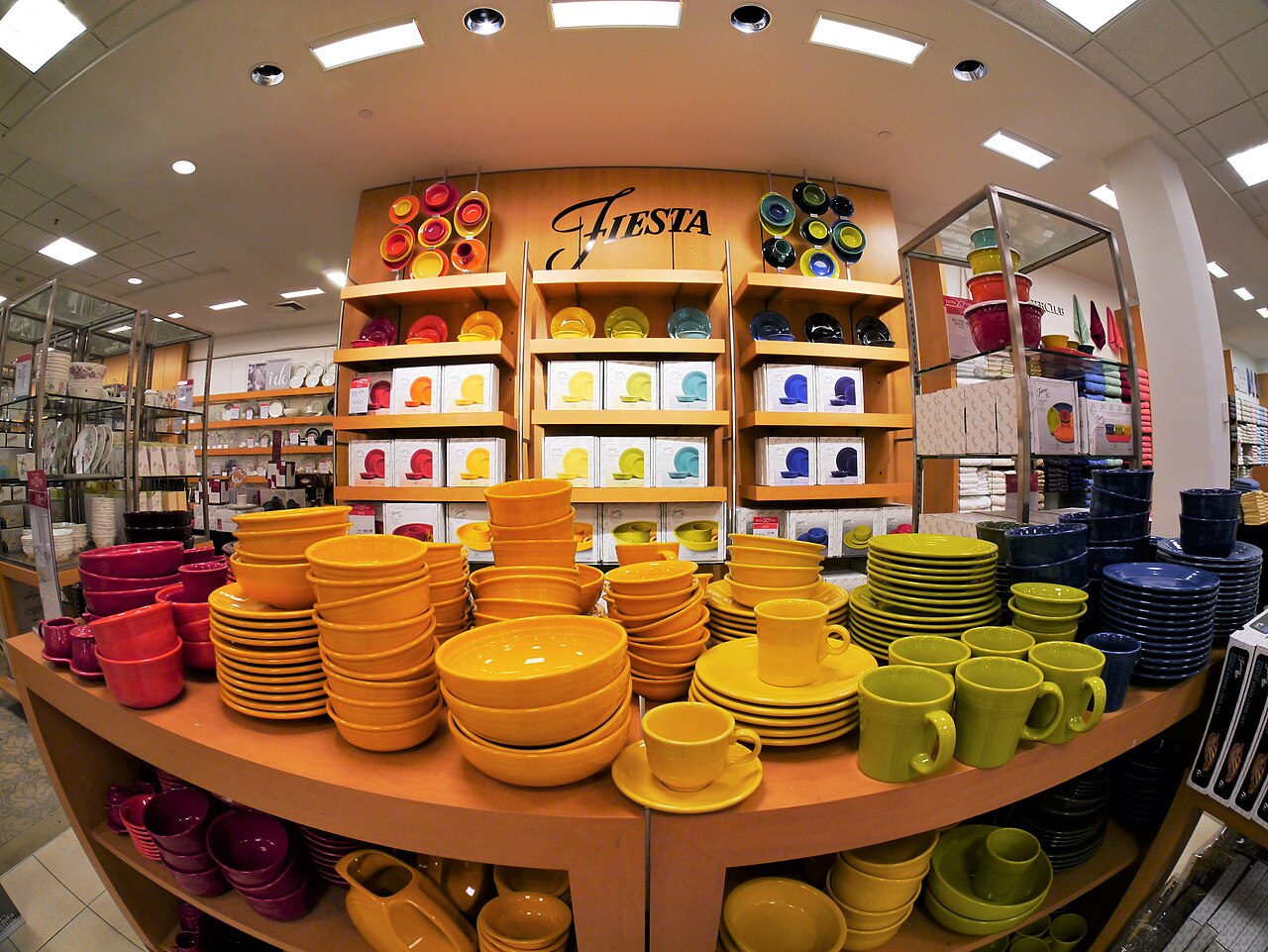
Fiesta dinnerware also has a deep collector base, but not every piece is equal. According to Collectors Weekly, rare forms and uncommon decorations can bring dramatic premiums, with one striped covered onion soup bowl discussed in the market at around $10,000. Vintage identification matters enormously here, because newer Fiesta can resemble older pieces, and subtle marks, glaze character, and mold details often determine whether a piece is truly scarce.
The Overlooked Oddities: Molds, Cookie Jars, and More
Molds may look purely decorative now, but they have a serious collecting audience. Collectors Weekly notes that copper molds are especially prized, while Jell-O-branded aluminum molds have their own niche because they connect directly to American food marketing history. These pieces appeal to collectors who love culinary nostalgia, and the most desirable examples are often the ones with crisp forms, strong maker marks, and little wear.
Cookie jars sit at the intersection of kitchenware and folk pop art. McCoy examples in particular remain familiar to collectors, and surviving jars with intact lids, bright glaze, and recognizable figural forms routinely attract buyers. Because chips, repaired cracks, and lid damage are so common, the premium for excellent condition can be much larger than casual sellers expect.
The same logic applies to vintage canister sets and stoneware crocks. Complete sets are much harder to find than single replacements, and collectors pay for uniform color, matching lids, and clean lettering. In other words, the nine categories most worth watching are biscuit tins, advertising tins, cereal premiums, Pyrex, jadeite, Fiesta, molds, cookie jars, and canister or crock sets. What they share is a powerful mix of usefulness, design, and nostalgia that keeps demand alive long after the original food is gone.