
Grocery inflation may have cooled from its peak, but for many families the checkout total still feels stubbornly high. What surprises many shoppers is that some of the best food-budget help is not a coupon or a store app. It is a patchwork of state programs that add real buying power, often with little fanfare.
The overlooked programs that add dollars back
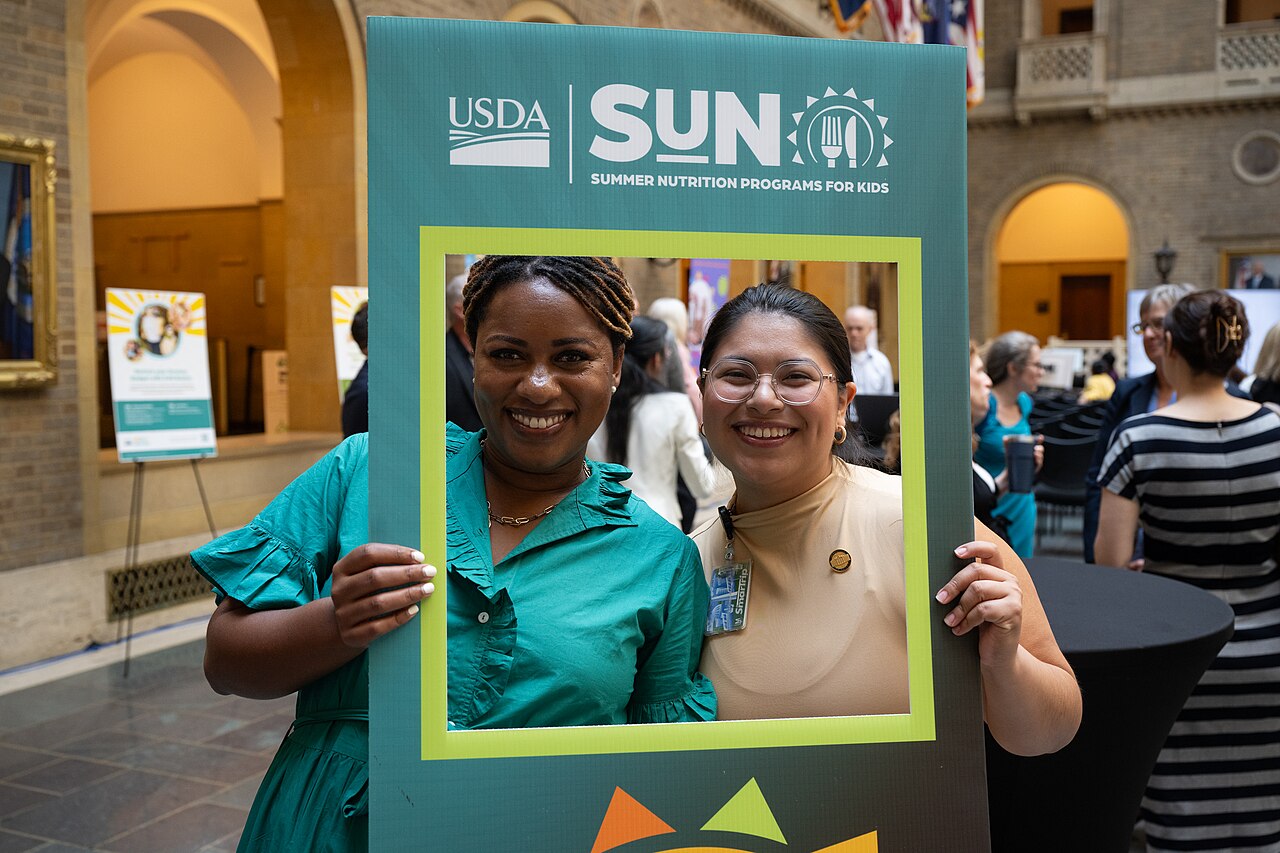
The most visible example is SUN Bucks, the summer grocery benefit for children when school is out. According to the USDA’s Food and Nutrition Service, eligible children in participating states, Tribes, and territories can receive $120 per child for summer food purchases. Many families are enrolled automatically if they already receive SNAP, TANF, FDPIR, or free or reduced-price school meal benefits, which is why some households get help without ever realizing the program has a distinct name.
Massachusetts runs one of the country’s clearest state-level produce incentives through its Healthy Incentives Program, or HIP. The program automatically lets SNAP households earn money back on their EBT card when they buy fruits and vegetables from participating farms. Current state guidance says households can receive up to $40 a month for 1-2 people, $60 for 3-5 people, and $80 for households of 6 or more, a structure that effectively rewards healthier purchases while stretching the month’s food budget.
Other states use the same basic strategy under different branding. USDA-backed Gus Schumacher Nutrition Incentive Program grants continue supporting efforts such as Good Food Bucks in New Jersey, Double Up Food Bucks in Iowa, and Double Up Dakota Bucks in South Dakota. These programs usually match part of a SNAP purchase when shoppers buy produce at farmers markets, farm stands, or selected grocery locations, turning a $10 produce purchase into significantly more food value over time.
Why many eligible shoppers still miss them
One reason these programs stay under the radar is fragmentation. A family may know SNAP, but not realize their state layers on local produce matches, seasonal child benefits, or farm-market credits through separate vendors and agencies. In Massachusetts, for example, HIP works only through participating farms, mobile markets, CSAs, and farmers markets, not a standard supermarket aisle, which means a benefit can exist on paper yet remain invisible in day-to-day shopping habits.
Another barrier is modernization happening unevenly from state to state. USDA says both the WIC Farmers Market Nutrition Program and the Senior Farmers Market Nutrition Program are being updated with electronic systems, but adoption still varies widely. That matters because paper checks, limited redemption windows, and uneven farmer participation can discourage the very households these programs are designed to help.
Eligibility rules also create confusion even when they are generous. WIC participants in many states can receive farmers market coupons in addition to their regular WIC package, while low-income older adults may qualify for the Senior Farmers Market Nutrition Program or the Commodity Supplemental Food Program, which USDA says provides nutritious foods to adults age 60 and older. The assistance is real, but the path to it often runs through county offices, aging agencies, clinics, and market vendors rather than a single easy doorway.
How to find the right help and make it count
The smartest first step is to stop thinking of food assistance as a single program. Households with children should check whether their state is participating in SUN Bucks for summer 2026 and whether enrollment is automatic or requires an application. Parents who assume school meals are the only support available often miss this seasonal grocery boost, even though it can cover staples like fruits, vegetables, dairy, breads, cereals, and proteins.
Shoppers receiving SNAP should also ask a sharper question: does my state offer a produce incentive beyond regular benefits? That may be branded as HIP, Market Match, Double Up Food Bucks, Good Food Bucks, or another local name. These programs are especially valuable for shoppers already buying produce, because the extra credit compounds quickly across a month and can free up base benefits for pantry staples, proteins, and household meal planning.
Older adults and WIC families should look beyond the grocery store itself. State aging agencies, WIC offices, and USDA market directories often point to farmers markets, roadside stands, and community distribution sites where these benefits work best. The common thread across all seven kinds of support is simple: the money is often there, but the shoppers who need it most are still being asked to discover it on their own.