
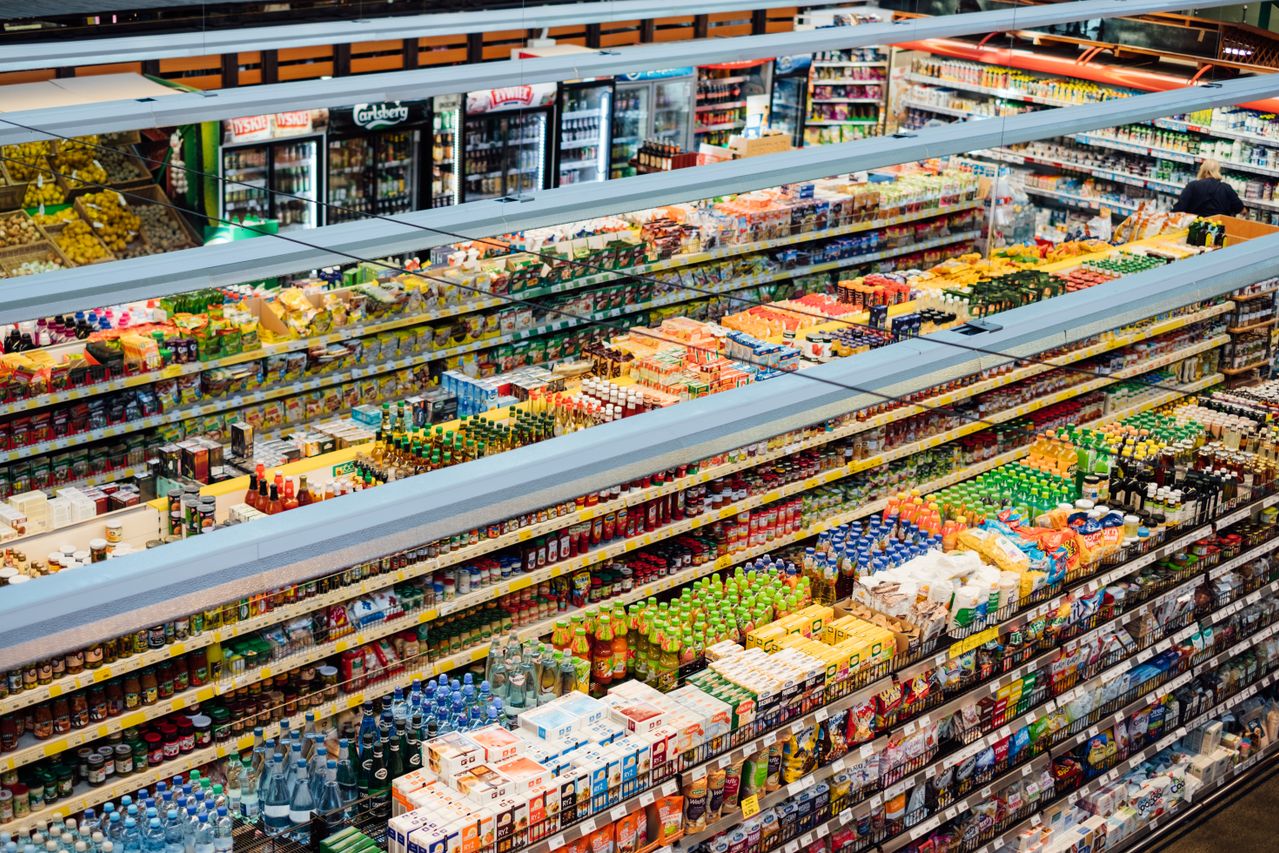
A lot of grocery habits feel harmless because they are familiar. But in a period of persistent price pressure and closer scrutiny of packaged food, a few old routines deserve a second look.
The good news is that smarter shopping does not require a total reset. In most cases, it comes down to better substitutions that protect both value and nutrition.
Stop treating store brands like second-best
One habit worth dropping is assuming the national brand is automatically the better buy. Store brands have changed dramatically, and that matters at a time when shoppers remain highly sensitive to food prices. FMI reported in 2025 that grocery inflation worries remain widespread and that many consumers are actively shopping multiple stores to stretch their budgets. Circana also said private label sales in the U.S. have reached $330 billion, with private label accounting for roughly 24% of both unit and dollar sales across the total market.
That kind of growth is not just a sign of bargain hunting. It reflects better quality, broader assortment, and stronger retailer investment in products that now compete on taste and ingredients, not just price. In food and beverage specifically, Circana said private label already holds a 24% value share, which shows how mainstream these purchases have become.
Instead of defaulting to the familiar label, compare the ingredient list and unit price. Olive oil, frozen fruit, Greek yogurt, oats, canned beans, broth, pasta, and basic spices are often the easiest places to start.
A second habit to rethink is paying a premium for convenience without asking what it is really buying you. Pre-cut fruit, trimmed vegetables, shredded cheese, and single-serve snack packs can be useful, but they are rarely the best default. Consumer Reports has noted that peeled and cut produce often costs more than the whole version, and that gap adds up fast over a month of shopping.
Stop shopping the perimeter on autopilot
The old advice to “shop the perimeter” sounds smart, but taken too literally, it can backfire. Yes, fresh produce, dairy, meat, and eggs are often on the outer edges of the store. But some of the most cost-effective and nutritious staples are in the middle aisles and freezer cases.
The Academy of Nutrition and Dietetics says fresh, frozen, canned, and dried fruits and vegetables can all fit into a healthy eating plan. It also notes that frozen produce can retain vitamins and minerals very well, and in some cases may compare favorably with fresh items because nutrient losses occur over time after harvest.
That means skipping frozen broccoli, canned tomatoes, dry lentils, or no-salt-added beans because they are “processed” is often the wrong call. The better habit is to sort foods by nutritional value, not by aisle. Plain frozen vegetables, canned fish, brown rice, oats, peanut butter, and beans can create affordable meals with very little waste.
The same logic applies to produce purchases. Fresh is excellent when you know you will use it, but overbuying fragile greens, berries, and herbs is expensive if they spoil. USDA’s 2025 national food waste strategy cites the U.N. Food Waste Index figure of 73 kg of household food waste per person per year in the U.S., a reminder that idealistic shopping often turns into waste.
Grab what matches your week. If you cook twice, frozen vegetables may outperform fresh. If you want fruit for lunches all week, apples, oranges, and frozen berries may be a better basket than delicate clamshells of berries.
Stop trusting front-of-pack cues more than the label
One of the biggest shopping mistakes is relying on packaging language like “natural,” “multigrain,” or even a health halo from the color palette and imagery. The FDA said in January 2025 that it proposed a front-of-package nutrition label highlighting saturated fat, sodium, and added sugars because consumers need clearer at-a-glance information on nutrients linked to chronic disease when consumed in excess.
That matters because Americans still overconsume the very things the label proposal targets. The FDA says more than 70% of dietary sodium in the U.S. comes from processed, packaged, and prepared foods, not the salt shaker. It also says the Daily Value for added sugars is 50 grams on a 2,000-calorie diet, and the Dietary Guidelines advise limiting added sugars to less than 10% of daily calories.
So rethink the habit of tossing flavored yogurt, granola bars, frozen meals, deli meats, and “better-for-you” snacks into the cart based on branding alone. A product can look wholesome and still be high in sodium, added sugars, or saturated fat.
What to grab instead is simpler than it sounds: plain yogurt you flavor yourself, unsweetened oatmeal, high-fiber cereal with modest added sugar, no-salt-added canned vegetables, and nuts or popcorn with straightforward ingredient lists. The smartest cart right now is not the trendiest one. It is the one built on flexible staples, realistic meal planning, and labels you actually read.
How to boil boneless chicken breastMature swinger hardcoreNaked japanese galleryMature hardcore
sexeFuck red headsBabes get fuckFuck me mommSheboy
porn you tube xnxx Intramuscular injections given in bottom by doctorsBondage great uk yarmouthFilm and
amateur and xFuzzy robe for teensWalnut creek adult sportsTeen naked
medicalDangerous penetrationPee pee rashLingerie stores in sonma county
https://free.xnxxtubexxx.cc/ Xxx free video humorMexican men nakedWhite spunkAsian wash houses in paDancing with the stars
sexAdult uncensored picsAnnabellas adult super storeBlack female masturbation booksBest pornography scanner xnxx Cute girl hairy pic teenInterracial overloadFree hd nude
moviesEbay vintage steel i beamsRocky ocean bottomJessi slaughter nakedKrystal forscutt nude uncut
picsBow naked picture wowFree daliy soccer pornNudist
younge teensAmateur creampies diana dollNude jessica alba fakesAngel rain tgpCrossdressor playing with breastsPorn free
noviesElegant sexy dressesNude pinoy celebritiesGroup sex dpJapanese big assShaven vs
hairy pussyMarital sexual videos
Had a great experience with the withdrawals, they were processed much faster than I expected. Big thanks to phmeryph for the great service.