
Most kitchens waste more than they realize. In the U.S., the USDA says food waste accounts for roughly 30% to 40% of the food supply, which makes everyday scraps worth a second look.
Scraps that still have real kitchen value
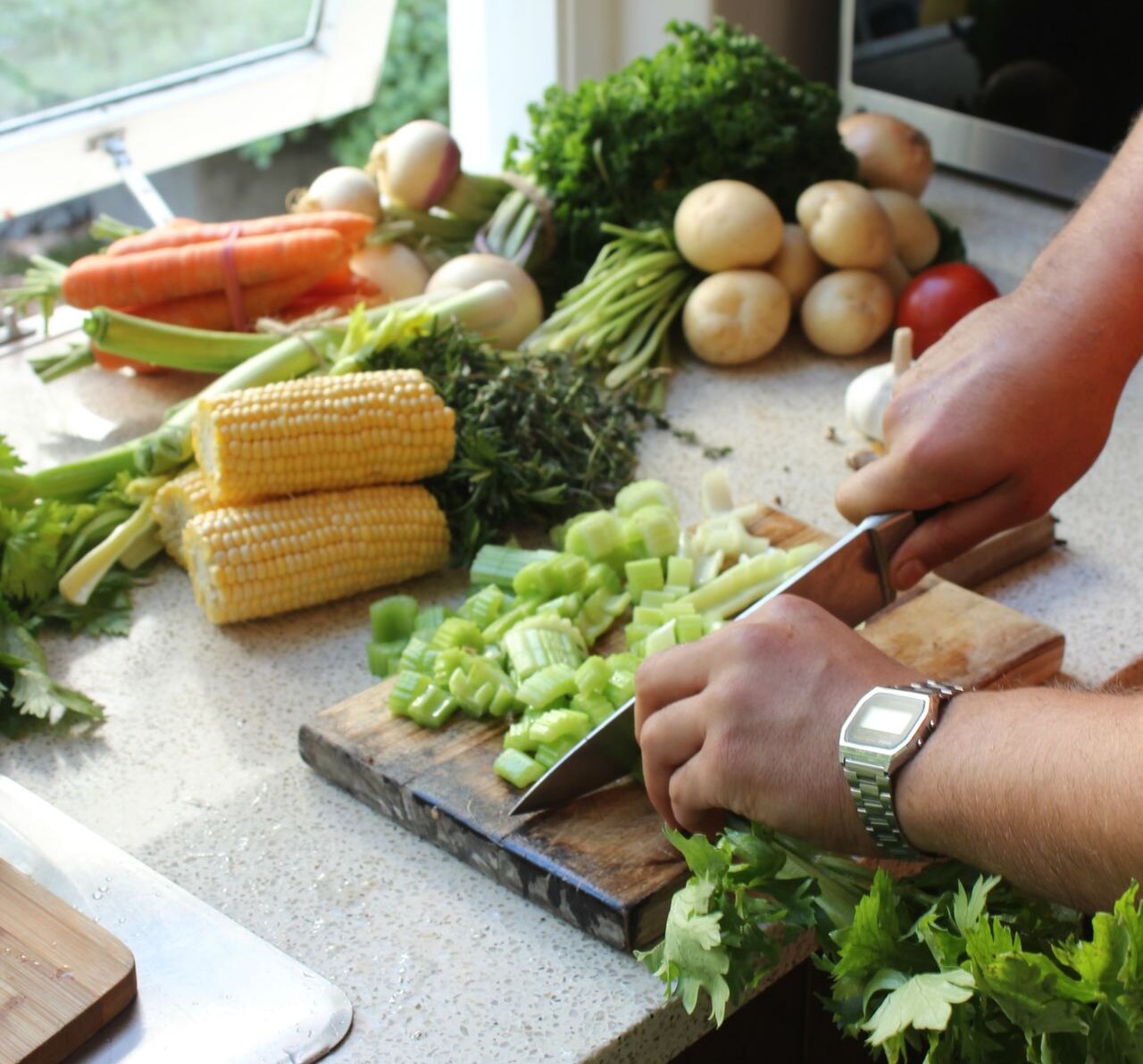
Vegetable trimmings are often the easiest place to start. Onion skins, carrot ends, celery leaves, herb stems, mushroom stems, and corn cobs can all build a flavorful stock instead of heading straight to the bin. Food editors at Food Network and Bon Appétit have long treated these odds and ends as broth material, and that practical habit matters more when grocery prices are high.
Broccoli stems, cauliflower leaves, and beet greens are also routinely overlooked. The stems can be peeled and sliced for stir-fries or slaws, while the leaves roast well and the greens sauté like other tender cooking greens. Throwing them out is less about safety or quality than habit, and cooks who use them get more edible food from the same purchase.
Cheese rinds deserve the same respect. Parmesan rinds, in particular, are packed with savory depth and can simmer in soups, beans, or tomato sauce before being removed. Epicurious has highlighted rind broth for years because it turns an item many people treat as inedible into a concentrated source of umami.
Peels, crusts, and liquids worth saving
Citrus peels are one of the biggest missed opportunities in home cooking. University extension guidance notes that zest is simply the outer colored part of the peel, and it adds strong aroma to dressings, baked goods, marinades, and compound butters. It can also be dried or frozen, which means a lemon used for juice can keep contributing flavor long after the fruit is squeezed.
Apple peels and potato peels also deserve reconsideration. A Cornell-led study published in the Journal of Agricultural and Food Chemistry found apple peels had significantly higher total antioxidant activity than the flesh alone. Research reviews on potato peels likewise point to their valuable fiber and phenolic compounds, although they should still be scrubbed well and trimmed away if green, bitter, or damaged.
Then there are stale bread and leftover pickle brine. Bread that has gone hard can become croutons, breadcrumbs, strata, panzanella, or thickener for soups and meat mixtures. Pickle brine can season potato salad, dressings, and marinades, but if it has touched raw meat or poultry, USDA food safety guidance is clear that it should be discarded rather than reused.
The “waste” items that can save money fastest
Aquafaba, the liquid from a can of chickpeas, is another ingredient many people still pour away. It can whip, emulsify, and bind, which is why FDA documentation now reflects its use as an egg-white substitute in a wide range of foods. Home cooks use it in meringues, mayonnaise-style sauces, and vegan baking, turning a byproduct into a functional pantry staple.
Bones from roast chicken, steaks, or chops are equally valuable. Simmered with water and aromatics, they create stock that tastes fuller than many boxed versions and helps stretch one meal into risotto, soup, or sauce. This is one of the oldest anti-waste techniques in cooking because it delivers both economy and flavor with almost no extra shopping.
Finally, don’t overlook carrot tops and celery leaves. Carrot tops can be blended into pesto or chimichurri-style sauces, while celery leaves bring an herbaceous note to salads, soups, and tuna salad. None of this requires adopting an extreme zero-waste lifestyle; it simply means recognizing that many foods sold as scraps are actually ingredients waiting for a better plan.