
Gut health keeps showing up in home cooking, but one of the buzziest versions of the trend is more specific than kombucha or yogurt bowls. Food & Wine reported on November 19, 2026 that social media creators are popularizing “poop-maxxing,” a fiber-forward style of cooking built around recipes meant to support regular bowel movements.
Why this gut trend is getting attention
The broader backdrop is a growing focus on digestive wellness. The Associated Press reported in July 2026 that gut health is drawing more consumer attention as fermented foods, fiber-focused eating, and microbiome talk move further into the mainstream. Pollock Communications and Today’s Dietitian said their March 2026 survey of 834 registered dietitian nutritionists found fermented foods ranked first in the 2026 functional food forecast, followed by prebiotic and probiotic sodas, bone broth, berries, and avocado.
That same Pollock and Today’s Dietitian survey also separated two related ideas that often get blurred together. Gut health ranked among the top drivers of consumer food purchases, while fiber was one of the leading attributes dietitians said they look for when evaluating foods. That matters because poop-maxxing sits right at the intersection of those two ideas, digestive support and a stronger focus on fiber-rich ingredients.
Alongside fibermaxxing, social media creators are also popularizing poop-maxxing, which focuses on fiber-rich recipes intended to support regular bowel movements. Food & Wine explored that shift through recipes such as smoothies, soups, pesto, snack plates, and meal-prep dishes shared by creators including Ariel Pastore-Sebring and Hally. According to Food & Wine, the appeal is simple: many people want more fiber, and many home cooks are looking for practical recipes rather than abstract nutrition advice.
What the recipes actually have in common
The recipes highlighted by Food & Wine are not built around specialty powders or hard-to-find ingredients. The article described a smoothie made with banana, spinach, peanut butter, chia seeds, oats, cocoa powder, coconut water, and milk, along with a soup centered on sweet potatoes, beans, and kale. Other examples included pesto and meal-prep ideas designed to work more fiber into ordinary breakfasts, lunches, and dinners.
Nutrition experts interviewed by Food & Wine said the basic idea has merit, but the execution matters. Registered dietitians told the magazine that more fiber can support digestive health and regularity, but they cautioned against trying to cram an excessive amount into one meal. They also stressed that fluids matter because inadequate hydration can make a sudden fiber increase more uncomfortable.
However, nutrition experts caution against treating fiber intake as a competition. Increasing fiber too quickly can cause gas, bloating, cramps, and abdominal discomfort, particularly when fluid intake is inadequate, according to the dietitians quoted by Food & Wine. A gradual increase spread across meals and snacks is a more practical approach than trying to pack as much fiber as possible into one recipe.
Recipes that fit the trend without overdoing it
For home cooks, the easiest takeaway is to borrow the structure of the trend without leaning into its most extreme language. A smoothie with fruit, oats, and chia can fit breakfast. A bean-and-vegetable soup can cover lunch or dinner. A pesto built with vegetables, herbs, or legumes can add fiber to pasta bowls, grains, or sandwiches without turning one meal into a gut challenge.
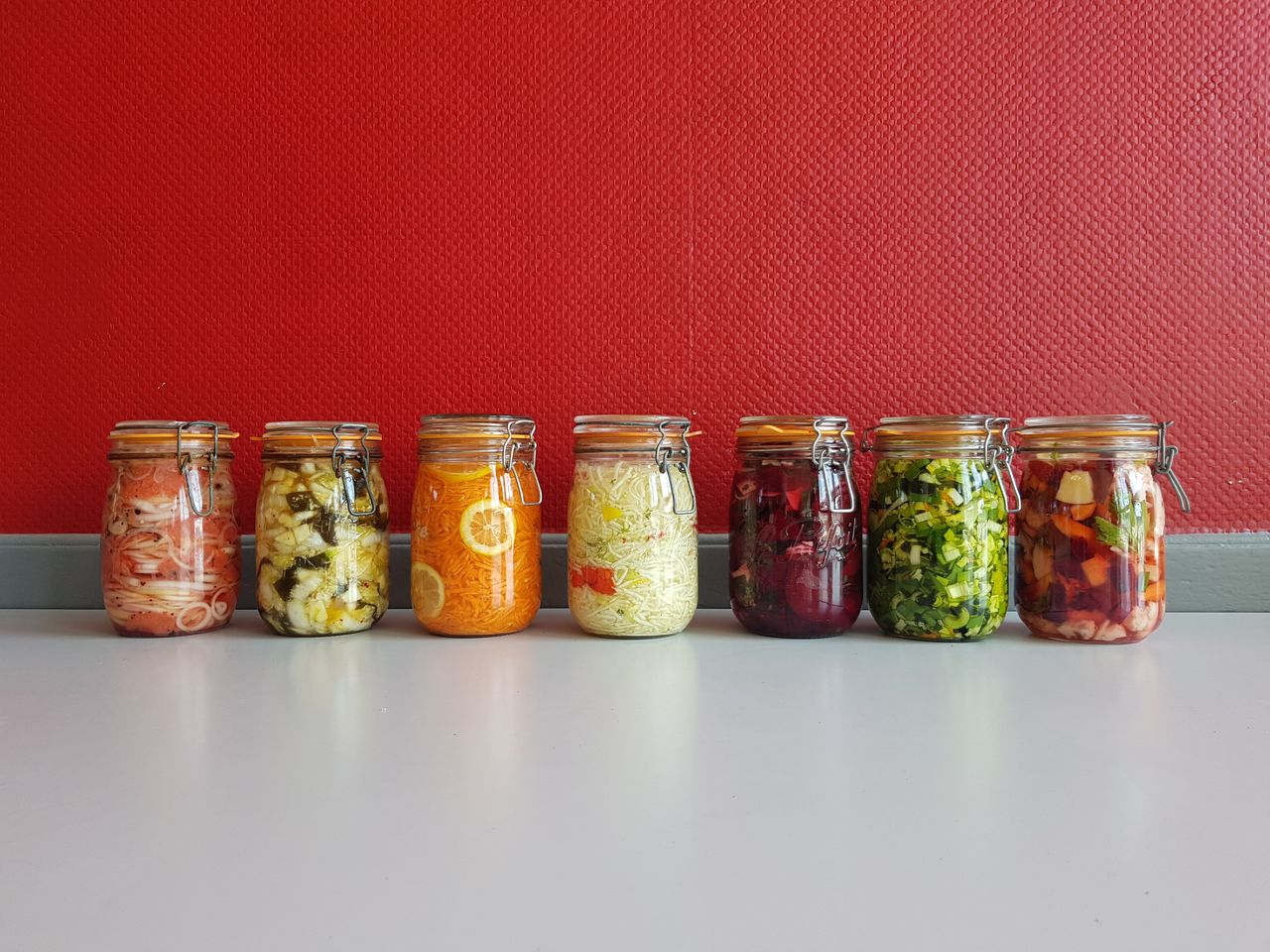
Fermented foods can also play a supporting role in the same kitchen pattern. The Associated Press noted that experts continue to point people toward foods like yogurt, kefir, kimchi, sauerkraut, and tempeh as interest in gut health grows. Kimchi and naturally fermented sauerkraut can add flavor to grain bowls, eggs, sandwiches and rice dishes. For products marketed as probiotic, check whether they contain live cultures.
The practical version of this trend is the one most cooks can actually use. Build fiber gradually, spread it through the day, and pair it with enough fluids. That approach lines up with the expert advice in Food & Wine, and it turns a whispery social media obsession into something much more useful: a realistic way to cook breakfast, lunch, and dinner with regularity in mind.