
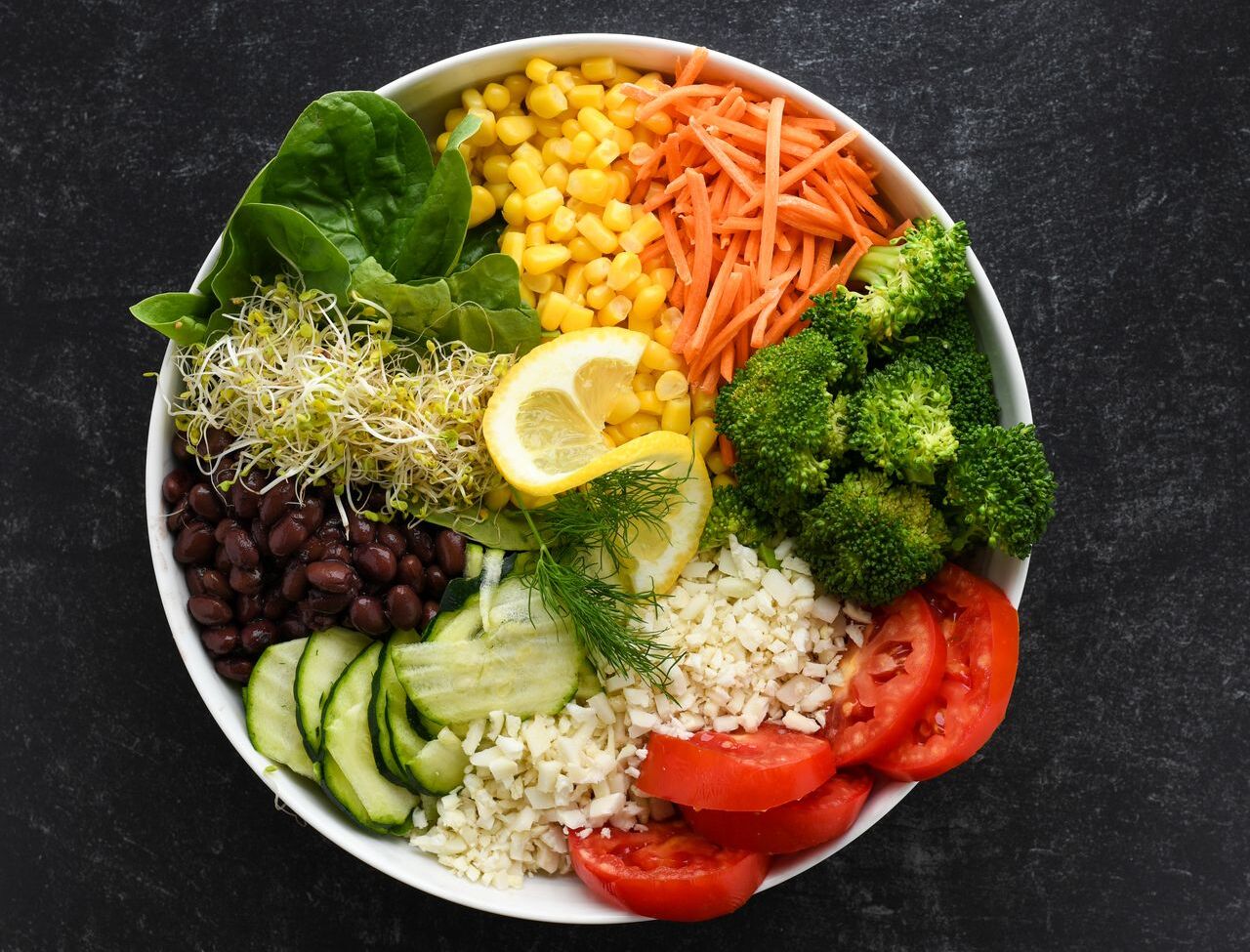
When cardiologists and heart health groups talk about everyday eating, the answer is usually simpler than people expect. Instead of a trendy wellness bowl or a protein-heavy plate, the pattern that shows up again and again is a mostly plant-forward meal with vegetables, beans or other legumes, whole grains, and a plant oil such as olive oil.
What the plate usually looks like
The American Heart Association’s healthy eating guidance describes a plate pattern with vegetables and whole grains taking a large share of the meal, with fruit and healthy protein rounding it out. Its Life’s Essential 8 eating guidance also points people toward vegetables, fruits, whole grains, beans, legumes, nuts, plant-based proteins, and lean animal proteins such as fish or skinless poultry.
That means the “go-to” plate is often not centered on a large piece of meat. In practice, it can look more like roasted vegetables with lentils and brown rice, or a grain bowl with chickpeas, greens, and olive oil based dressing. The American Heart Association also recommends plant-based oils such as olive, canola, or avocado oil instead of tropical oils.
This tracks with broader heart-health advice from the National Heart, Lung, and Blood Institute, which highlights fruits, vegetables, legumes, and certain vegetable oils in heart-healthy eating plans. The same federal guidance says DASH and similar eating patterns have been shown to help lower high blood pressure and LDL cholesterol, both major cardiovascular risk factors.
Why beans and grains keep showing up
One reason this style of eating surprises people is that it does not rely on one star ingredient. The American Heart Association’s Mediterranean diet guidance emphasizes olive oil as a primary fat source and builds meals around plant foods, including beans, lentils, whole grains, vegetables, fruit, nuts, and seeds.
Beans and legumes get special attention in that guidance. The American Heart Association says beans and other legumes fit a healthy eating pattern, and replacing fatty or processed meats with plant proteins such as beans, peas, lentils, nuts, and seeds supports heart-healthy eating. For a home cook, that can be as basic as swapping part of the ground beef in chili for beans, or building taco night around black beans and vegetables.
Whole grains matter, too. The American Heart Association’s serving guidance includes grains as a regular part of a healthy dietary pattern, while its eating advice recommends watching portions and making room for different food groups instead of overloading one category. In other words, the heart-healthy plate is balanced. It is not only low in one nutrient, it is built around foods that work together as a meal.
How to build one at home tonight
A practical way to think about it is this: start with vegetables, then add a fiber-rich starch or whole grain, then choose a protein source that leans plant-forward or otherwise fits heart guidance. A dinner plate might include sautéed greens, quinoa, and white beans, or salmon with farro and broccoli, finished with olive oil and herbs.
Shopping shortcuts can help. The American Heart Association suggests looking for low-sodium or no-salt-added canned beans and vegetables, then rinsing and draining canned items when appropriate. It also recommends simple swaps such as using olive oil and vinegar dressings instead of heavier options built around saturated fat.
For people expecting a strict “cardiologist meal,” that may be the real surprise. The pattern is flexible, familiar, and built from regular grocery store foods. What matters most, according to major heart health guidance, is the overall plate: more plants, more legumes and whole grains, healthier oils, and smaller roles for foods high in saturated fat, added sugars, and excess sodium.