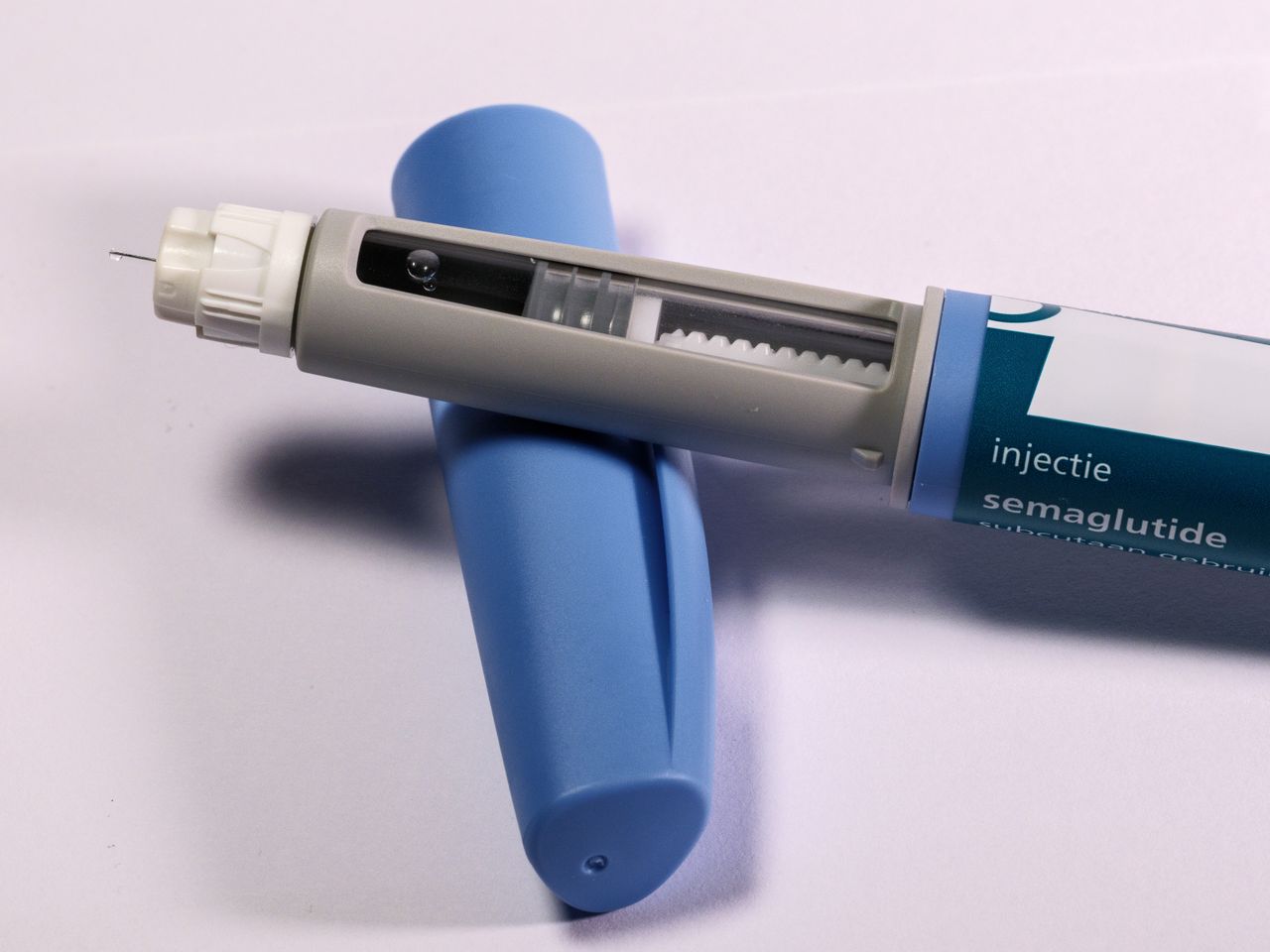
The FDA has ordered a new warning for GLP-1 drugs, a class that includes Ozempic, Wegovy, Mounjaro, and Zepbound. The agency said on November 9, 2026 that these medicines must add labeling about a potential increased risk of non arteritic anterior ischemic optic neuropathy, or NAION, a rare eye condition that can cause sudden vision loss.
That update applies to a class of medicines many Americans know through weight-loss treatment, diabetes care, and weekly injection routines. It also lands in a part of daily life that often starts in the kitchen, because GLP-1 drugs are prescribed alongside diet changes, meal planning, and blood sugar management.
What the FDA changed
The FDA said it is requiring safety labeling changes for all GLP-1 receptor agonists because of a potential increased risk of NAION. In its drug safety communication, the agency said it reviewed data from clinical trials and an observational study involving adults with type 2 diabetes who started a GLP-1 drug or another common diabetes medicine between 2019 and 2024.
According to the FDA, it identified 15 probable NAION events in the review it described, including 10 in patients treated with GLP-1 drugs and five in patients receiving placebo. The agency said no events were identified among patients who received other non GLP-1 glucose-lowering medicines in that part of the analysis.
The FDA said the new warning will be added to the Warnings and Precautions section of labeling for the class. Associated Press reported that the warning affects widely used GLP-1 medicines prescribed for obesity, type 2 diabetes, and other conditions, and that the side effect can sometimes lead to permanent vision loss.
Why this matters beyond the prescription label
For people who use these medicines, the FDA action does not mean every patient will develop eye problems. The agency described NAION as rare, but serious enough to warrant a formal warning across the category.
That matters in practical ways at home. Many people taking GLP-1 drugs are also adjusting portion sizes, timing meals around nausea or fullness, and watching blood sugar as they cook and shop. A new warning can change what they discuss with a doctor, especially if they notice sudden changes in vision while also juggling diabetes care or a weight-loss plan.
This is not the first recent label change for the class. FDA records show earlier label updates added information about pulmonary aspiration during general anesthesia or deep sedation after reports involving residual stomach contents despite fasting. The labels for Wegovy and Ozempic also note delayed gastric emptying, which is one reason these drugs can intersect with eating patterns and pre procedure planning.
What patients should do now
The FDA’s communication is aimed at both patients and health care providers, and it centers on awareness rather than a market withdrawal. The agency did not announce a recall, and no FDA recall number applies to this labeling action.
People taking a GLP-1 drug should not stop treatment on their own based only on a headline. The more useful next step is to read the updated prescribing information and contact a health care professional promptly if they experience symptoms that could signal sudden vision changes.
For readers who encounter these medicines in the context of food and daily routines, the key kitchen takeaway is simple. If a drug affects appetite, meal timing, or blood sugar, any new safety warning can shape how someone shops, cooks, and plans care around the table. In this case, the FDA’s latest caution adds eye symptoms to the list of issues patients and clinicians may need to watch.