
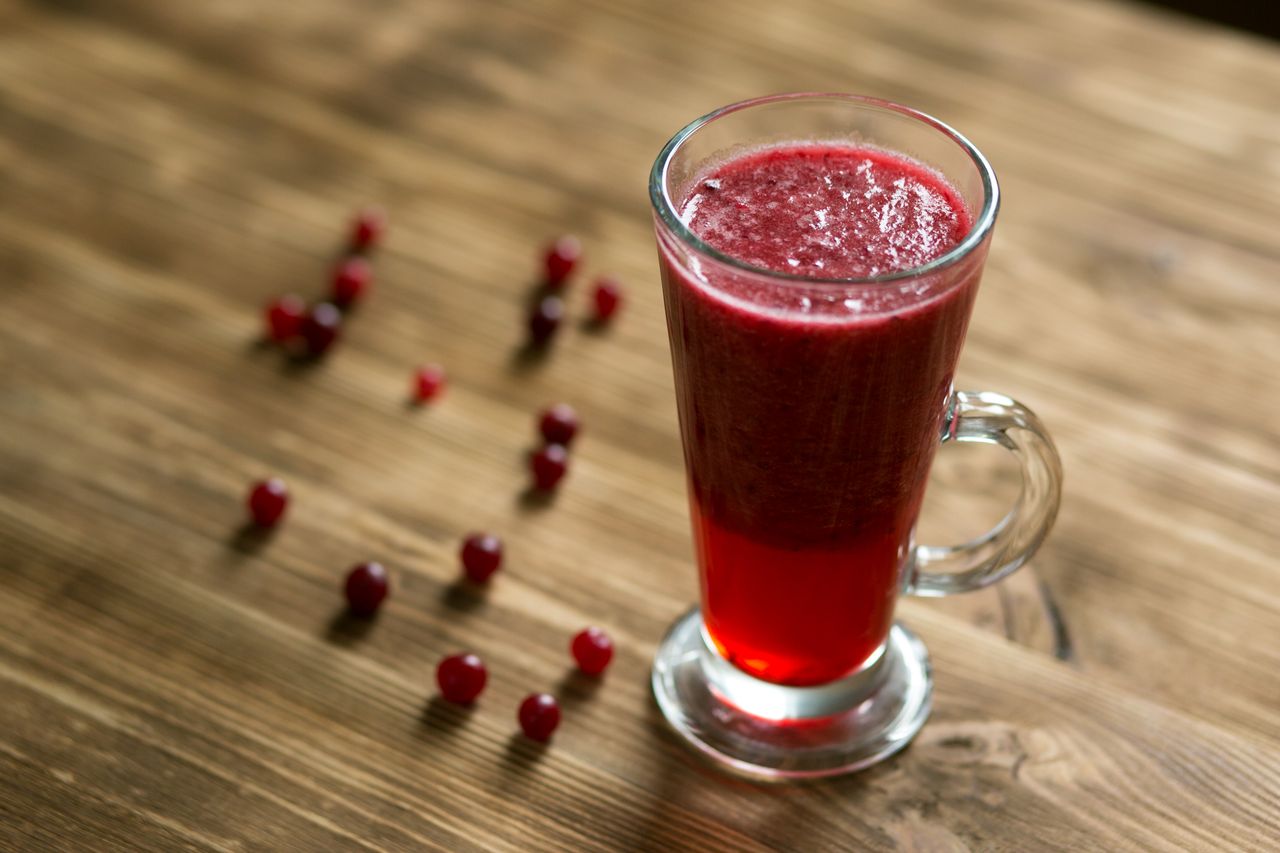
A tart holiday staple is getting a more complicated dental review. New research published June 23, 2026 found that pure cranberry juice reduced dental plaque regrowth and acid production after exposure, even as dental groups continue to warn that acidic drinks can wear away enamel.
What the new cranberry juice study found
The new study, published in Scientific Reports and indexed by PubMed, looked at how exposure to cranberry juice affected dental plaque in adults and children. Researchers from the University of Illinois Chicago reported that pure cranberry juice, identified in the paper as CJ-100, reduced average regrowth and acid production of plaque bacteria after people rinsed and consumed it. In adults, the average reduction in regrowth and acid production was reported at 43.93 ± 19.67%, with a plaque pH change of 0.56 ± 0.25. In children, the reported reduction was 33.04 ± 23.88%, with a plaque pH change of 0.36 ± 0.24.
The paper said no significant inhibition was seen after exposure to a cranberry juice cocktail labeled CJC-27 or to water. The authors concluded that in vivo exposure to pure cranberry juice reduced subsequent metabolic activity in plaque, including regrowth and acid production. That matters because plaque bacteria produce acids that can contribute to tooth demineralization.
For holiday shoppers and home cooks, the key distinction is that the reported effect was tied to pure cranberry juice in this study, not to sweetened cranberry drinks more commonly poured at gatherings. The study did not say cranberry juice protects teeth overall, and it did not suggest that people should treat tart juice as a dental care product.
Why tart drinks can still be hard on enamel
The catch is acidity. The full paper noted that dental plaque contributes to enamel demineralization when acids lower plaque pH, and broader dental research has long found that acidic beverages can raise the risk of tooth erosion. The American Dental Association says dental erosion can result from extrinsic acids in the diet, especially acidic fruit juices and soft drinks.
That means a drink can have one potentially helpful effect on plaque bacteria while still posing a different risk to the tooth surface itself. PubMed-listed studies on acidic beverages and erosion have found that many fruit juices fall below the critical pH associated with enamel erosion, and reviews of erosive drinks have consistently pointed to acidity as the main concern.
Cranberry products can sit right in that gray area. Cranberries are naturally tart, which is why many holiday drinks balance them with sugar, sparkling mixers, or citrus. From a kitchen perspective, that may improve flavor, but it does not necessarily make a beverage gentler on enamel. The American Dental Association says people should reduce acidic beverage exposure, avoid holding or swishing acidic drinks in the mouth, and rinse with water after consuming them.
What to do if cranberry drinks are on the holiday menu
If cranberry juice or a cranberry punch is part of the holiday spread, dental guidance focuses more on how you drink it than on avoiding it altogether. MouthHealthy, the ADA’s consumer site, advises rinsing with water after acidic foods or beverages, using a straw for acidic drinks when possible, and waiting an hour before brushing so saliva has time to help re-harden enamel.
The ADA also says saliva helps buffer and remove acids, and chewing sugar-free gum can help stimulate salivary flow. Another practical step is to have acidic drinks with meals instead of sipping them over a long stretch, which increases contact time with teeth. For hosts, serving water alongside tart punches and juice-based mocktails is an easy addition that can help guests rinse afterward.
For home cooks, the takeaway is moderation and context. The new cranberry study points to a possible plaque-related benefit from pure cranberry juice, but it does not cancel out the established concern about acid exposure. A tart holiday drink may be doing two things at once, slowing some plaque activity while also asking a little more of your enamel.