
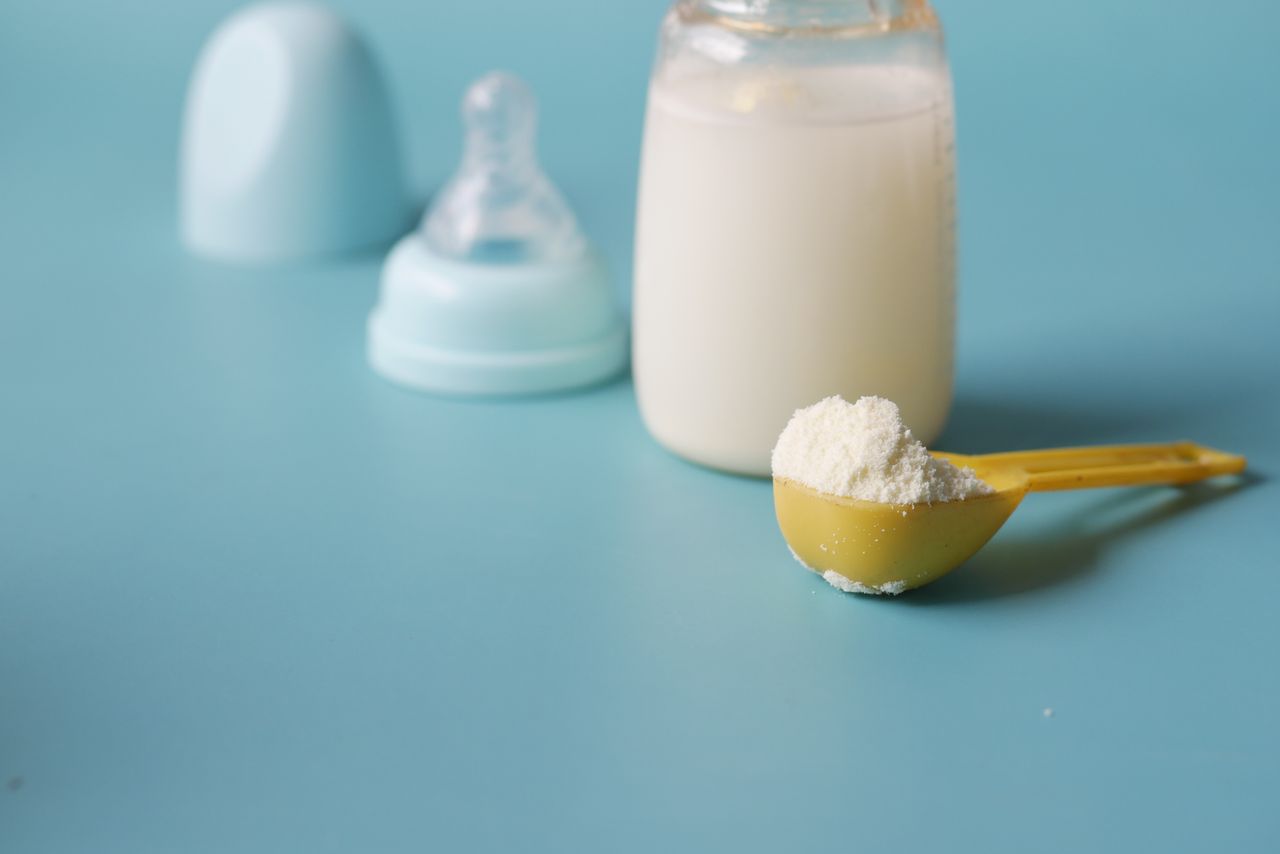
The FDA is proposing the first update to U.S. infant formula nutrient standards in nearly 30 years. The October 29 proposal would revise or reaffirm parts of the federal rules that govern what must be in formula sold in the United States.
For families, the move matters because those rules set the baseline for nutrients in a product many babies rely on every day. The agency also released new contaminant testing information and said most sampled formulas showed low or non-detectable levels for the chemicals it measured.
What the current standards cover
Under existing federal law and FDA regulations, infant formula sold in the United States must contain 30 required nutrients. The rules set minimum levels for all 30, and maximum levels for 10 of them, according to the FDA and a 2025 Federal Register notice seeking information on formula nutrients.
The FDA said its new proposal is the first phase of a broader review of those requirements. In this round, the agency would update or reaffirm specifications for eight of the 30 required nutrients, and it would also change the units of measure for two nutrients.
According to the FDA’s proposed rule materials, the changes are meant to reflect current scientific evidence on infant nutritional needs and safe intake levels. The agency specifically said the current U.S. specifications reflect the science available when they were established, and that newer research and international standards are now part of the review.
Why FDA wants more input
The FDA said it is seeking comment not only on the eight nutrients in the proposal, but also on nutrients that are not currently required and are commonly added by manufacturers. In its notice, the agency specifically asked for input on arachidonic acid, known as ARA, docosahexaenoic acid, known as DHA, and L-carnitine.
That request does not mean those ingredients are becoming required now. It means the agency is gathering evidence and public input as part of a longer rulemaking process that could lead to future proposals.
The proposal is tied to Operation Stork Speed, an HHS and FDA initiative announced March 18, 2025. FDA materials describe that effort as a plan to expand options for safe, reliable, and nutritious infant formula for American families, and the agency’s infant formula homepage says this nutrient proposal is the first of three planned proposed rules.
What testing found and what happens next
Separately, the FDA said its recent infant formula testing looked at 312 retail samples collected in its 2023 to 2025 Market Basket Survey. As part of that work, the agency tested for chemical contaminants including lead, mercury, cadmium, arsenic, PFAS, and thallium.
According to the FDA, most PFAS compounds tested, 25 out of 30, were not found in any sample. The agency also said 294 of the 312 samples, or 94%, had no detectable thallium, while the remaining 18 samples had very low levels. In broader summary language, the FDA said most tested products had undetectable or very low contaminant levels.
The nutrient proposal is still only a proposal, not a final rule. Next, the FDA will collect public comments through the federal rulemaking process, review that input, and decide whether to finalize, revise, or withdraw the proposed changes before any new requirements take effect.