
Some states chase novelty. Louisiana usually rewards flavor, familiarity, and chains that understand local taste memory.
So if five fast food names keep rising to the top in Louisiana, it is worth asking whether that is mere habit—or a sign of unusually sharp consumer instincts.
Why Louisiana’s shortlist looks smarter than it first appears
Louisiana’s fast food preferences make immediate sense once you look at the likely contenders: Popeyes, Raising Cane’s, Chick-fil-A, McDonald’s, and Whataburger. Two of those brands, Popeyes and Raising Cane’s, are not just popular in the state; they are part of Louisiana’s business and culinary identity. Popeyes says it was founded in New Orleans in 1972, while Raising Cane’s traces its start to Baton Rouge in 1996. Those are not trivial origin stories in a state where food heritage still carries real weight.
There is also a clear structural reason these chains stay top of mind. Recent Louisiana location data compiled by industry trackers shows McDonald’s with the largest footprint in the state, followed by Popeyes, then Raising Cane’s, Chick-fil-A, and Whataburger. That matters because constant visibility shapes craving as much as advertising does. If a chain is on commuters’ daily routes, near campuses, and clustered around suburban retail corridors, it becomes part of the weekly meal rotation.
Then there is category fit. Louisiana has a stronger-than-average concentration of chicken-focused fast food, according to recent chain and market data. That aligns neatly with local preferences for fried chicken, seasoning, portability, and value. In other words, the state’s shortlist is not random. It reflects a market where chicken chains, burger standards, and a strong regional favorite naturally crowd out weaker national players.
The case for each chain is stronger than critics admit
Popeyes remains the emotional anchor of the group because it still sells a Louisiana-inflected identity along with its food. Its menu leans into seasoning, texture, and sides that feel closer to Southern comfort food than generic fast food. Even when service can be inconsistent, the brand’s flavor profile keeps it culturally relevant. That staying power helps explain why Popeyes continues to rank among the country’s biggest chicken chains by sales, according to QSR’s industry reporting.
Raising Cane’s may be the most revealing pick of all. The chain’s menu is famously narrow, but that focus is exactly why it works. Cane’s built its reputation on crisp chicken fingers, Texas toast, sauce, and operational consistency, and it has grown into one of the nation’s most powerful quick-service chicken brands. For Louisiana diners, it also carries hometown credibility that imported brands simply cannot manufacture.
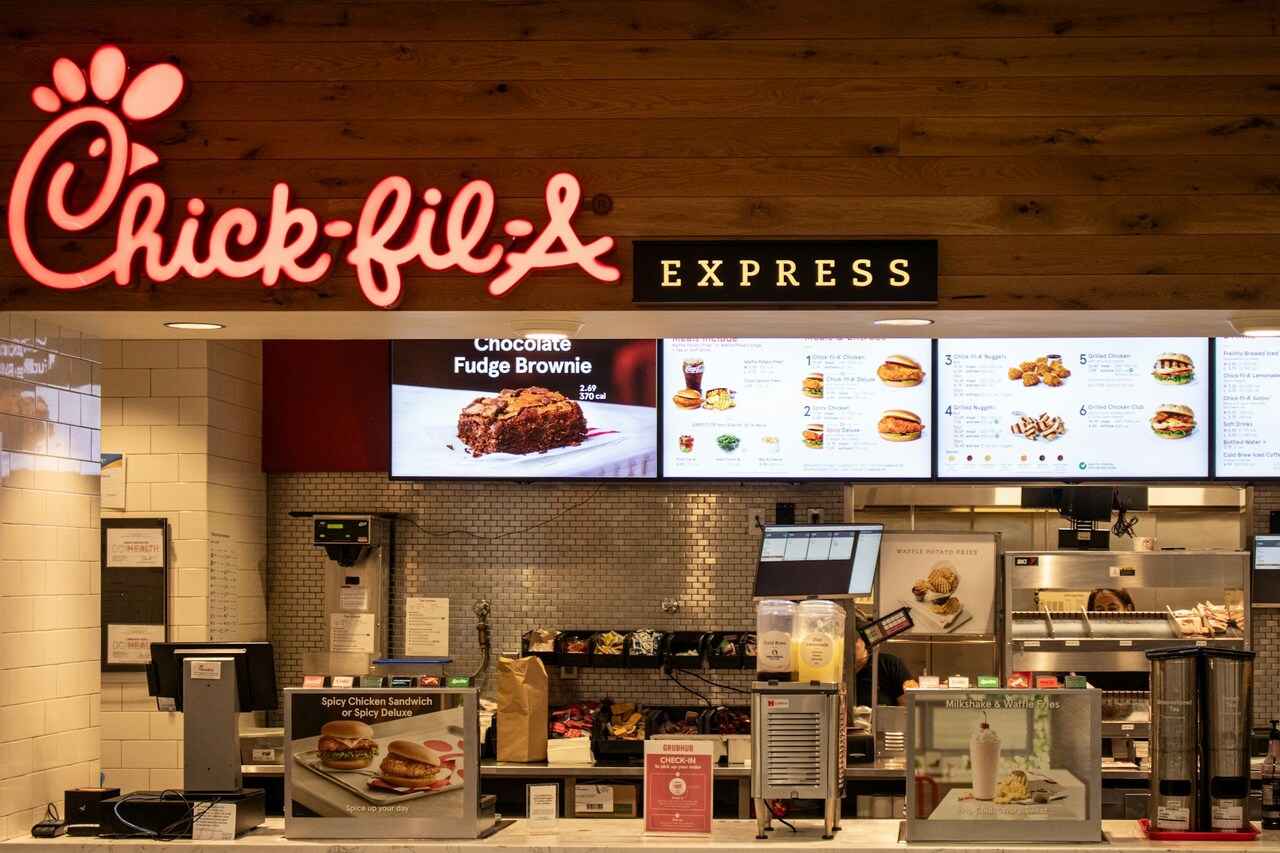
Chick-fil-A, McDonald’s, and Whataburger round out the list for different reasons. Chick-fil-A brings speed, consistency, and a polished customer experience that restaurant ranking studies regularly reward. McDonald’s wins on convenience, breakfast, and sheer ubiquity. Whataburger, though Texas-born, fits Louisiana surprisingly well because its larger-format burgers and late-night appeal line up with Gulf South eating habits better than many coastal premium chains ever could.
Are locals onto something? Yes—because they are choosing fit, not hype
The strongest argument for Louisiana’s fast food instincts is that these five chains each solve a different dining problem. Popeyes is the bold-flavor choice. Cane’s is the dependable chicken-finger run. Chick-fil-A is the efficiency play. McDonald’s is the all-day fallback. Whataburger is the indulgent burger stop. Together, they form a practical, highly usable roster rather than a trend-chasing one.
That kind of sorting reflects consumer sophistication. Louisiana diners tend to be harder on mediocre food than consumers in markets where convenience alone can carry a brand. In a state known for strong local restaurants, a chain has to earn repeat business. It is not enough to be big; it has to taste distinctive or perform reliably. These five mostly do one or both.
So yes, the locals are probably onto something. Louisiana’s favorites are not just popular because they are famous. They are popular because they meet the state on its own terms: flavorful, familiar, regionally resonant, and good enough to survive in one of America’s most opinionated food cultures.