
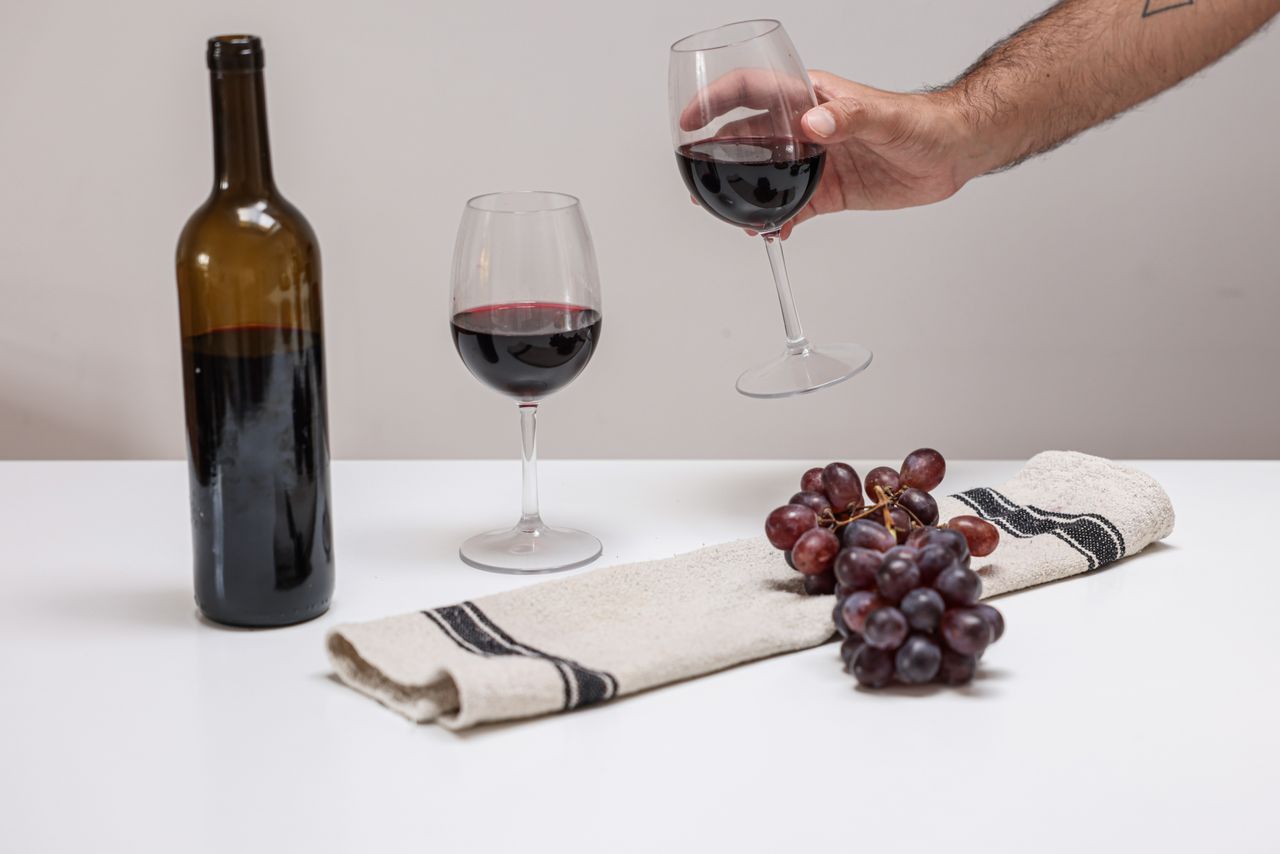
A new Cornell study suggests the look of a red wine may matter less than many drinkers and winemakers assume. Researchers found that color influenced expectations before tasting, but did far less to predict actual enjoyment once people took a sip.
What Cornell studied
Cornell Chronicle reported on September 23, 2026, that researchers at Cornell AgriTech and the Université Bourgogne Europe in Dijon, France, examined how consumers reacted to the color of red wines. The study was published the same day in the American Journal of Enology and Viticulture and focused in part on wines made from interspecific hybrid grapes.
Those hybrid grapes have drawn skepticism in some wine circles because their color can differ from wines made from Vitis vinifera grapes. According to Cornell, that concern has practical weight for growers because hybrids are bred to better withstand disease, cold, and pressures tied to climate change.
To test whether appearance was really a barrier, the team recruited 82 regular red wine drinkers through the Cornell Sensory Evaluation Center. Participants evaluated eight commercial red wines, including five hybrid wines sourced from New York, Wisconsin, Tennessee, and Iowa, plus pinot noirs from Burgundy, Oregon, and the Finger Lakes.
Panelists rated how much they liked each wine’s appearance, how much they expected to enjoy it based on color alone, and then how much they actually liked it after tasting. That setup let researchers compare first impressions with real tasting responses, rather than relying on assumptions about what a darker or more traditional-looking wine should signal.
What the researchers found
The results moved in two directions. Cornell said wines that looked lighter or showed more yellow and brown tones tended to score lower for visual appeal and led to lower expectations before tasting.
Still, those appearance judgments did not strongly carry over into actual liking. Cornell reported that the statistical relationship between appearance liking and actual liking explained only about 8% of the variation in participants’ responses, suggesting that color was a weak guide to overall enjoyment.
Some of the specific rankings underlined that point. According to Cornell, St. Croix and a Burgundy pinot noir tied for the highest overall appearance scores, even though the two wines differ chemically. Cornell also said several hybrid wines ranked among the most visually appealing in the study when shown beside pinot noirs from well-known wine regions.
The researchers also looked at anthocyanins, the pigment compounds that help give red wine its color. Cornell said hybrid grapes contain a broader range of anthocyanin structures, including diglucosides, which can be less deeply colored and may brown a bit more over time. Even so, consumer preferences did not track those chemistry differences in the way some producers had feared.
Why it matters for wine drinkers and growers
For home wine drinkers, the study points to a simple takeaway. A deep, saturated color may shape expectations at the table, but it does not necessarily mean the wine will be more enjoyable once tasted. Aroma and flavor still appear to do most of the heavy lifting.
For growers and winemakers, especially in colder regions, the findings could ease a long-running worry about how hybrid reds are perceived. Cornell said the study suggests producers may not need to chase a strictly vinifera-like look in order to win over drinkers.
The Chronicle also noted important limits. Because the wines were commercial bottles, factors such as vintage conditions, vineyard practices, and winemaking choices could affect color independently of grape variety. The researchers said future work should track how hybrid wine color changes with age and whether consumer views shift as these wines become more common.
That makes this less of a verdict on one grape or one style than a useful reminder about how people taste. In the glass, color can set the stage. In the mouth, it is only one part of the performance.